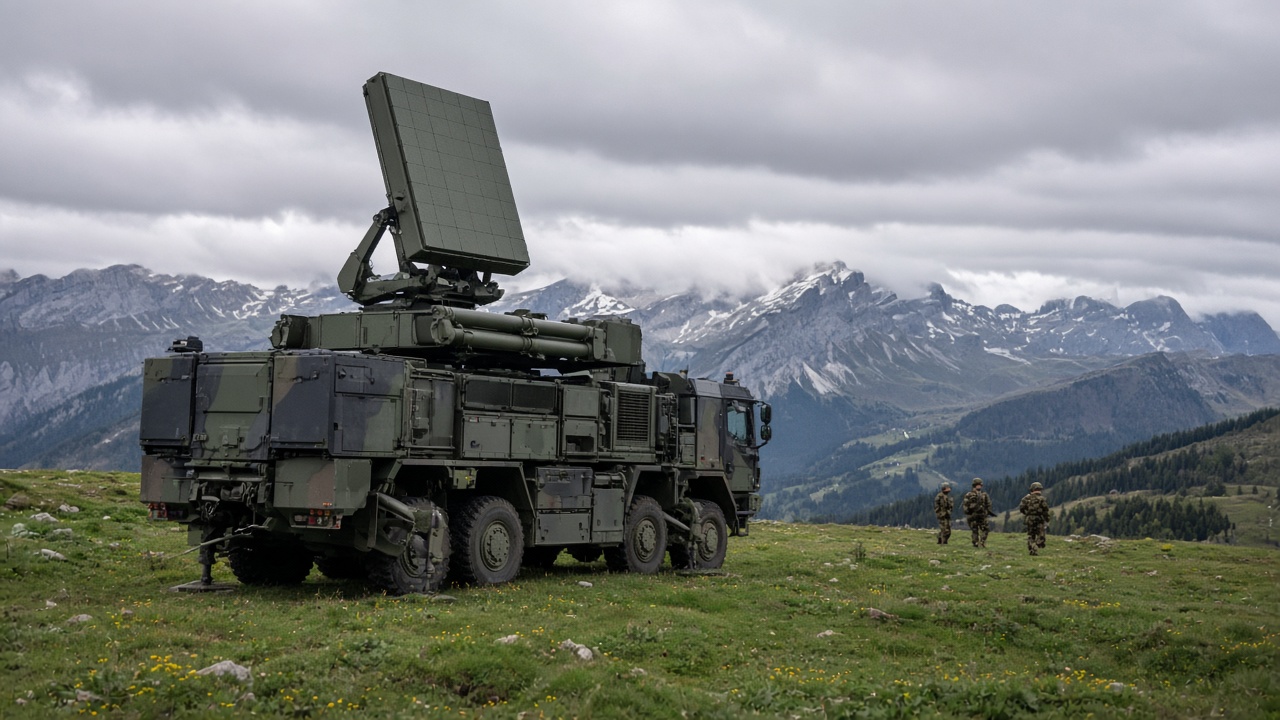
BERN - The most delicate procurement file in Swiss defence policy returns to the Federal Council on Wednesday. Ministers will weigh how to proceed with a second long-range ground-based air defence system, a purchase that has already slipped by half a year and now carries an extra charge of political explosives.
The evaluation report from Armasuisse, the federal armaments office, is complete and sits on the desk of Defence Minister Martin Pfister. According to people familiar with its contents, the office recommends a system from Israel. That is the technically defensible answer and the politically awkward one, because large parts of the left want no new arms contracts with Israel while the war in Gaza and its aftermath dominate the news.
How the deal stalled
The purchase was meant to move quickly. Instead, an unusual alliance of the SVP and the SP blocked urgent treatment in the Ratsbüro, the chamber's agenda-setting body, and the defence department withdrew the business rather than watch it fail. The Senate's security policy committee has confirmed the delay, which pushes any decision out by around six months.
The clock matters because Switzerland's existing plans are running late on their own. The Patriot systems ordered from the United States are not expected to be delivered before 2032, leaving a gap that a second, complementary system was supposed to close. The defence department said only that the Federal Council "will assess the new situation, decide on the next steps and inform accordingly."
France or Israel
Two suppliers remain in the frame: a French-Italian offer and the Israeli system favoured by the evaluators. Choosing against the recommendation is possible, but it would have to be argued in public, and every argument will be read through the lens of neutrality policy, export politics and the war in the Middle East. Choosing the Israeli system invites the mirror image of the same storm.
Either way, the decision lands in a parliament that has just spent a year expanding the army's finances. The Senate backed a CHF 24 billion defence fund in September, and the broader rearmament debate has so far enjoyed rare cross-party support. Air defence is the file most likely to break that consensus, precisely because it asks Switzerland to say not just how much it will spend, but whose shield it is willing to buy.