
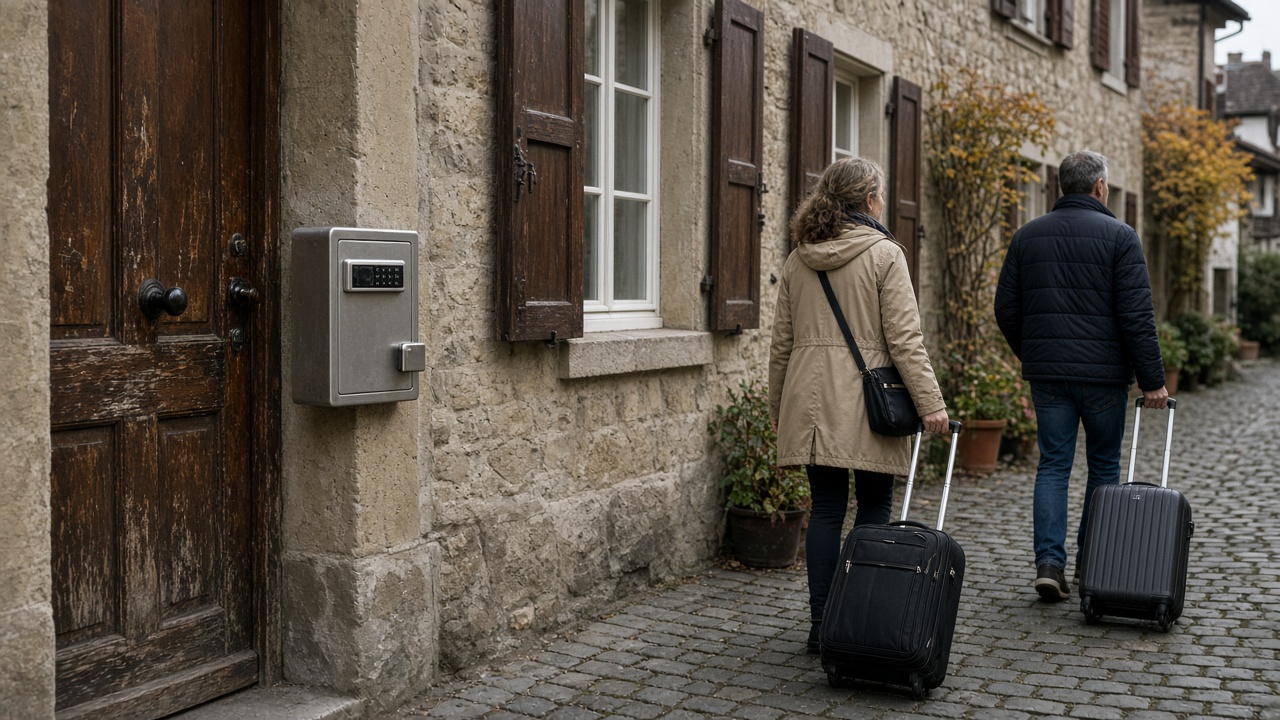
BERN - The growth of booking platforms such as Airbnb is putting increasing pressure on housing markets in Swiss cities and tourist hotspots, and local authorities are responding with caps, registration duties and calls for national data. The debate, long simmering in Lucerne and Zurich, has now reached the mountain cantons.
Lucerne has led the way. Since 2025, homes developed for short-term letting since 2010 that have displaced or reduced the local housing stock may generally be rented out for no more than 90 nights a year, and owners must register them. Zurich and Interlaken have since introduced similar restrictions. Mario Stubi, president of the Lucerne Tenants' Association, says the crackdown is long overdue, arguing that commercial holiday letting is spreading at the expense of local residents.
Valais hoteliers demand a level playing field
Concerns are growing fastest in the mountain regions. Valais, the canton with the highest number of registered short-term rentals, has become the loudest battleground. Olivier Andermatt, president of the Valais Hoteliers' Association, is calling for a level playing field between hotels and other forms of tourist accommodation.
Commercial short-term lets, he argues, should meet the same requirements as the hotel industry on fire safety, hygiene, employment law, tourist taxes and VAT. He points to an acute shortage of affordable housing for hotel staff and local residents alike, and wants a strict registration system run by local authorities. The hotel sector's frustration is sharpened by the fact that professional hosts now operate entire apartment blocks in resorts while shouldering none of the regulatory load of a licensed hotel.
Bern moves on data, not yet on limits
Despite their differences, tenants, hoteliers and platforms agree on one thing: reliable data is essential. No one knows exactly how many Swiss homes are let to tourists for how many nights a year. The House of Representatives has backed a proposal to collect nationwide data on short-term rentals, a measure that still needs Senate approval. Supporters say the numbers will show where action is actually needed and where the market regulates itself.
The pressure to act is statistical as much as anecdotal. The national vacancy rate fell below one percent this year, the line analysts treat as a shortage, and cities are buying their way back into the market: Zurich recently bought 64 apartments in Seebach to grow its nonprofit stock. Against that backdrop, every flat lost to year-round holiday letting carries a political price that platform hosts, city councils and now the federal parliament are all being asked to pay attention to.