
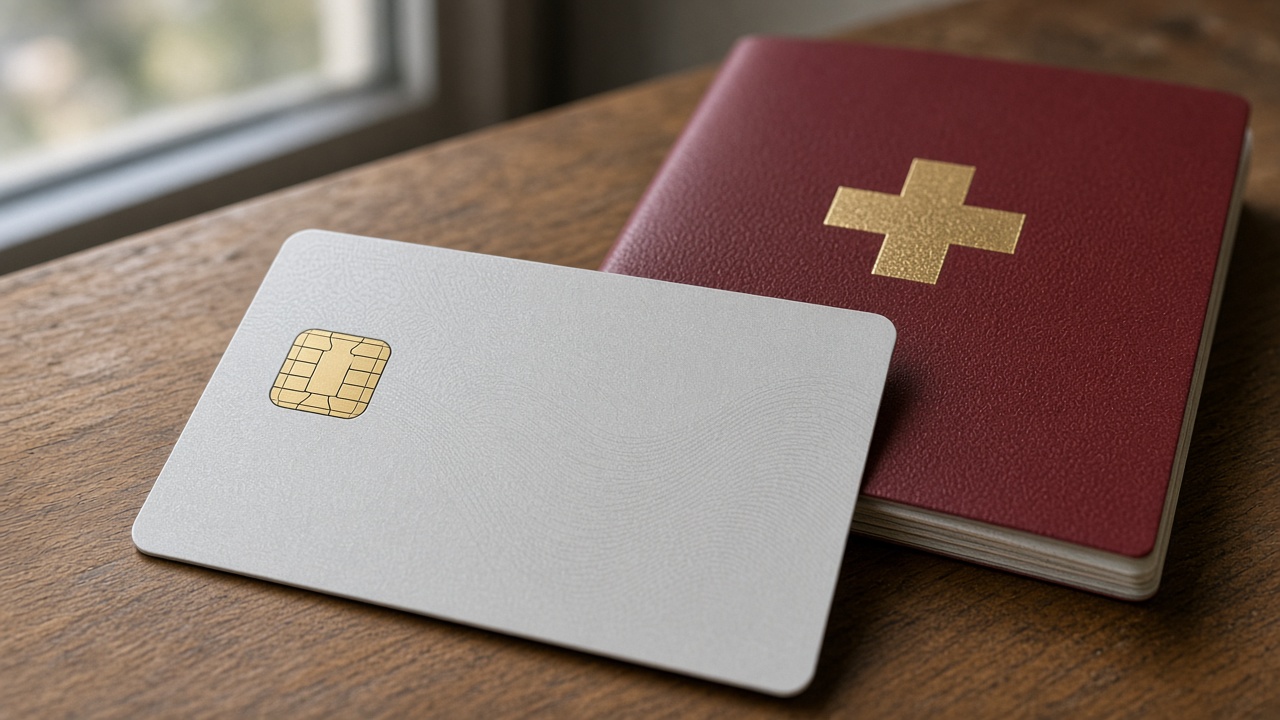
BERN - Switzerland's identity card is getting its chip. From Monday 2 November, citizens can apply for the biometric version at the cantonal offices that issue ID cards and passports, as well as at Swiss representations abroad, the Federal Office of Police said on Tuesday.
Like the biometric passport already in circulation, the new card carries a chip containing a facial image and two fingerprints. Fedpol says the design makes the document significantly harder to manipulate or forge than the card it replaces. The fee stays exactly where it was, which removes one of the few arguments anyone had left against the upgrade.
Keeping up with the neighbours
The change is largely about travel. Since 2021, European Union states have issued only biometric identity cards, on security grounds. Swiss ID cards without a chip remain valid for travel in the EU until they expire, so nobody needs to queue on 2 November unless their card is due for renewal anyway.
Officials are nonetheless braced for a first wave of applications from frequent travellers, cross-border commuters and the simply curious. Anyone with a trip booked for the winter holidays would be wise to apply early, since November is traditionally one of the busier months at the cantonal passport offices.
Not to be confused with the E-ID
The biometric card is a physical identity and travel document. It has nothing to do with the E-ID, the electronic proof of identity for the digital world that Swiss voters approved in a narrow yes at the ballot box. The E-ID will live on a smartphone and cannot be used to cross a border; the biometric ID crosses borders but does nothing online.
The two projects do share a philosophy, though. Both keep the data on the document or the device rather than in a central register, a design choice that helped the E-ID survive its referendum campaign and that privacy groups will be watching just as closely now that the chip moves into the country's most carried document. The launch also fits a broader digitisation of the state's paperwork, from the digital driving test arriving in 2027 to online first-aid course registration.