
ZURICH - The Comparis car-price index shows why the next round is expected. Motor insurance rose about 19 percent between August 2021 and August 2026, and by more than 7 percent in the last of those years. Harry Büsser, the insurance expert at Comparis, said the costs that drove those increases are still there, so 2027 should bring further rises. How hard a driver is hit depends on the insurer and the contract, and on the type, value and age of the car, and on the claims record.
Mobiliar stands aside from a general rise
Mobiliar said it will not impose a general increase on its whole book of existing customers. Tariff changes apply to new policies and to contracts that are altered. A policy left unchanged is not caught by that round. In 2025, the company said, about one in five of its customers saw a higher premium.
Helvetia, Smile, Generali, Vaudoise and TCS all pointed to higher repair and claims costs and said adjustments are needed. None gave a 2027 figure. Vaudoise said pressure on premiums is still upward, and named the hail at the end of August 2026 as a reason claims have risen. AXA and Allianz said competition rules stop them discussing future prices. The written survey covered Allianz, AXA, Emmental Versicherung, Generali, Helvetia Baloise, Mobiliar, Simpego, Smile, TCS, Vaudoise and Zurich.
A windscreen is no longer only glass
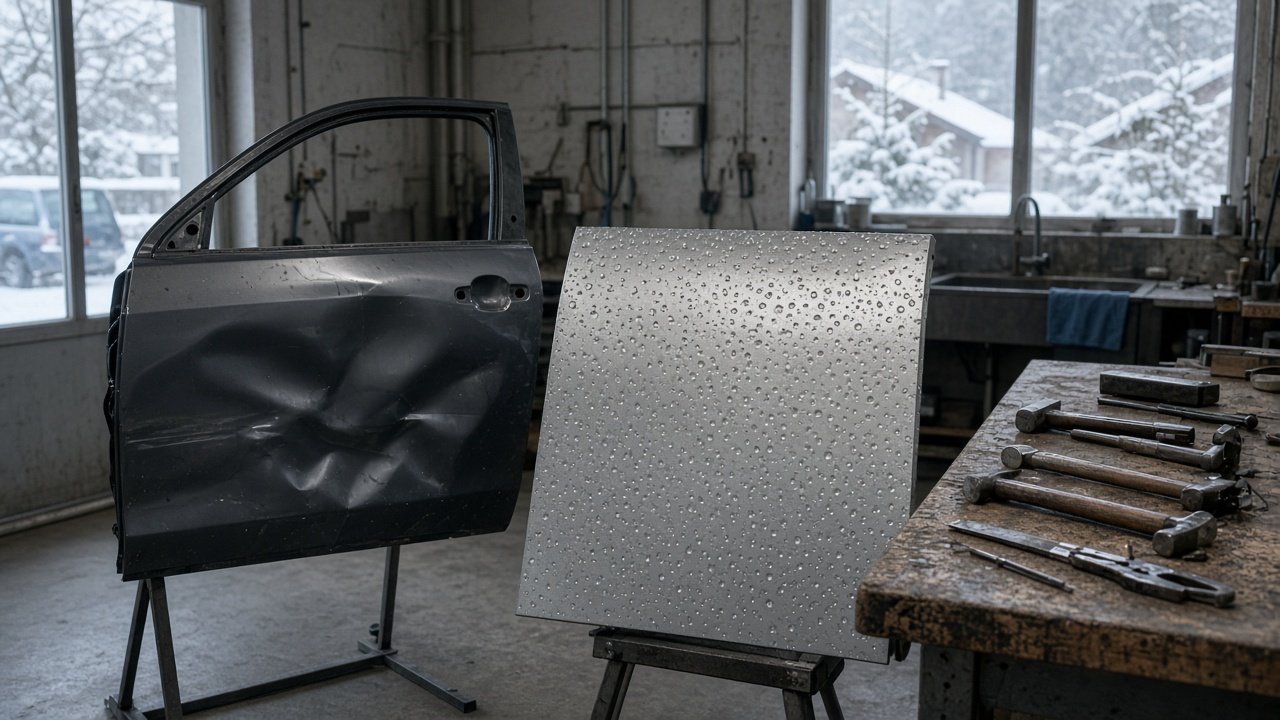
On the workshop bill, the insurers largely agree. AXA, Allianz, Generali, Helvetia Baloise, Mobiliar, Smile and TCS named dearer labour and spare parts. AXA, Generali and Mobiliar also named natural hazards. Mobiliar gave a plain example: replacing a windscreen now often means recalibrating the sensors behind the glass. An earlier Comparis study put numbers on the labour alone, from 2023 to 2025. The average cost of the repair work on a rear door rose by almost 46 percent, on side body panels by a good 41 percent, and on front wings by more than 32 percent.
Few drivers leave. In a Comparis survey in January 2026, 45 percent said they were paying more, and 6 percent had taken out a new contract. Büsser said drivers cannot stop the repair inflation, but they can avoid paying more than the cover requires. The premium squeeze is separate from the CO2 fleet rules Bern wants to loosen for importers from 2030, and from the 1.5 percent rise in consumer prices in October. It lands on the same household, in the renewal letter, not in the showroom.