
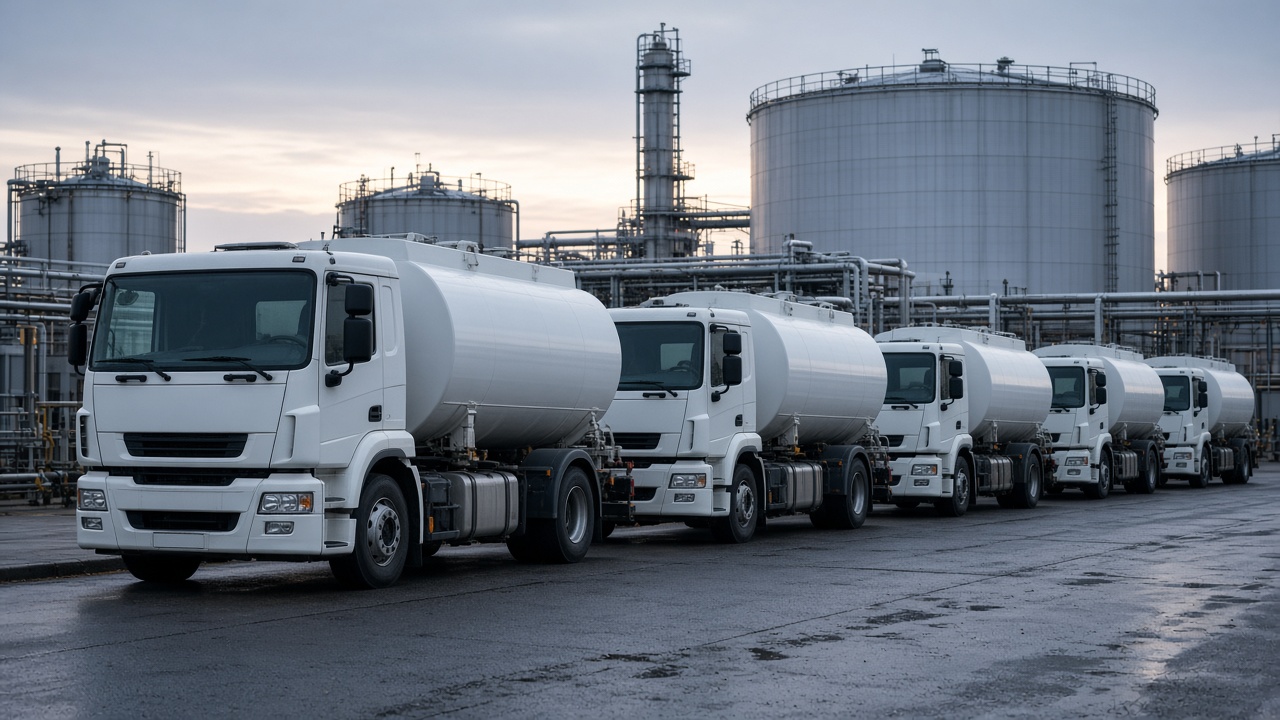
BRUSSELS - The Wednesday meeting gathered the specialists who watch Europe's fuel taps: experts from the Commission, the EU member states, the International Energy Agency and the Energy Community. Their conclusion was cautious rather than alarmed. With global geopolitical uncertainty still bearing on oil markets, diesel and jet fuel supplies remain tight, and the risk of further disruption has not passed.
The IEA secretariat used the meeting to debrief members on its governing board's decision of 15 October concerning the timely release of the volumes remaining under the collective action agreed in March 2026, the coordinated stock release that has been cushioning the market since the spring shock. That cushion is now gradually being withdrawn, which is one reason margins feel thin again.
A refinery dialogue, promised at the summit
The Commission also updated the group on the launch of a strategic dialogue with EU refineries, a follow-up to last week's European Council, where energy costs dominated a long and at times ill-tempered discussion among leaders. The dialogue will be chaired by Commissioners Dan Jørgensen and Andrius Kubilius and is expected to begin soon, with the remit of keeping European refining capacity aligned with what the market actually needs.
The political backdrop is raw. Industrial electricity prices in Europe remain about twice those in the United States, a gap ECB President Christine Lagarde highlighted again this week while urging leaders to complete the capital markets integration package by the end of the year. The Visegrad countries and Italy used the summit to demand measures against electricity price swings, and failed; the fuel discussion on Wednesday is where that frustration goes next.
Why Switzerland is watching
Switzerland sits outside the EU's coordination machinery but inside its logistics. The same tight jet fuel market that Brussels is monitoring is the one that pushed Bern to open the compulsory kerosene reserves for Zurich Airport last week, after low Rhine water and disrupted German rail freight squeezed deliveries. Pump prices at home have eased only slightly from September's records. When the Commission says there is no physical shortage, Swiss officials agree, and add the quiet caveat that a shortage is the last thing their supply routes could absorb right now.