
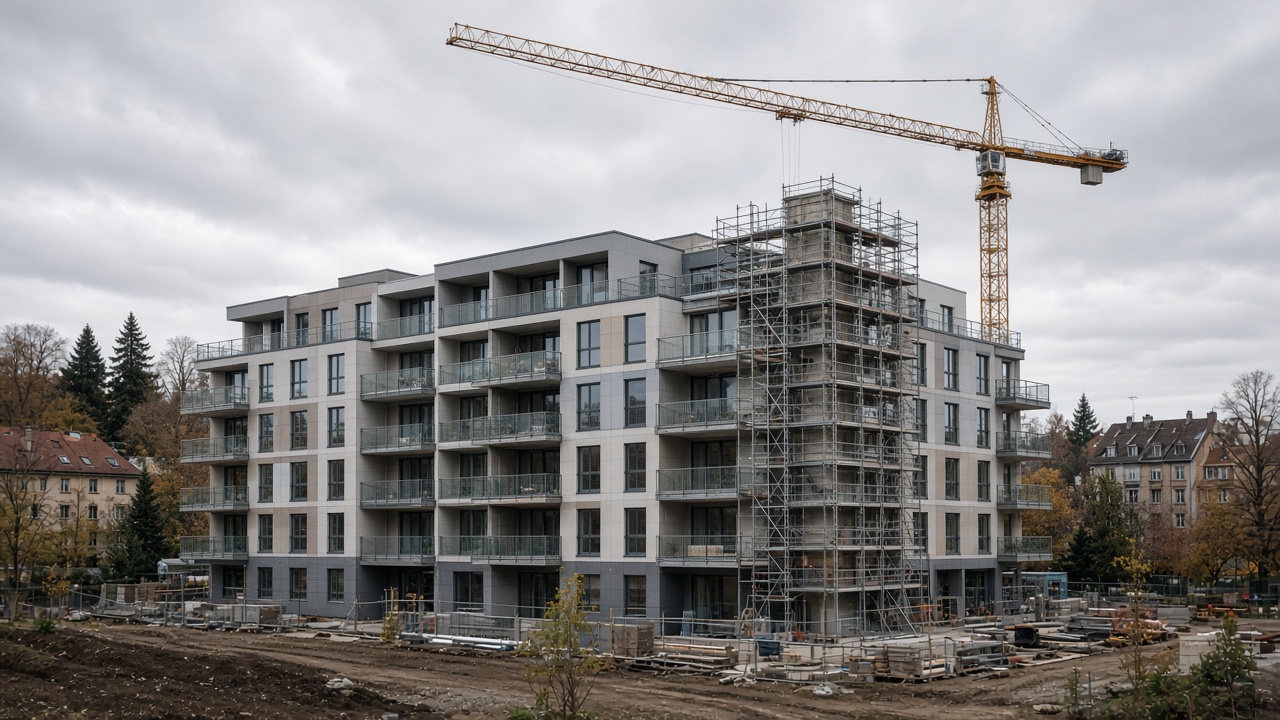
ZURICH - The letter arrived with fourteen days to spare. Tenants due to collect keys to new cooperative flats on the Koch Areal at the end of October have been told the buildings will not be ready, because key components have not arrived and the stairwells cannot yet pass their safety requirements.
In all, 90 apartments and around 300 tenants are affected. According to a letter sent to the future residents, houses 50 and 52 will be delayed by about six weeks, while house 54 slips by ten to twelve weeks. House 56 is currently expected to stay on schedule, and later parties in the staggered move-in plan should escape the delay entirely.
A scramble with two weeks' notice
Kraftwerk 1, one of the city's best-known housing cooperatives, says it informed tenants as fast as it could and is holding personal meetings to find stopgap solutions. The early count of the fallout gives a sense of the scramble: about 20 tenants have managed to extend their current leases, an appeal to cooperative members produced 14 usable offers, and friendly cooperatives have made 60 apartments available for temporary use. Others will stay with friends and family.
The cooperative says it will cover the extra costs of the interim arrangements as long as they remain proportionate and reasonable. For households that had already given notice on old flats, arranged moves and registered children at new schools, the promise helps, but the calendar does not. Six weeks takes the earliest move-ins into December; twelve weeks pushes house 54 into the new year.
When scarcity meets the supply chain
The delay would be frustrating anywhere. In Zurich's rental market it is close to cruel. The national vacancy rate fell below one percent this year, and the city's is a fraction of that, which is why a cooperative apartment at a cost-covering rent is the closest thing Zurich has to a golden ticket. The Koch Areal project, rising on former industrial land, has been one of the most watched additions to the nonprofit stock.
Construction supply problems are hardly new to the industry, but they sit awkwardly with a political moment when the city is buying its way toward a one-third nonprofit housing share, most recently with 64 apartments purchased in Seebach, and when the canton has just approved new density rules meant to speed exactly this kind of building. For the 300 people packing boxes this week, the only relevant number is the one on their new front door, and when it finally opens.