
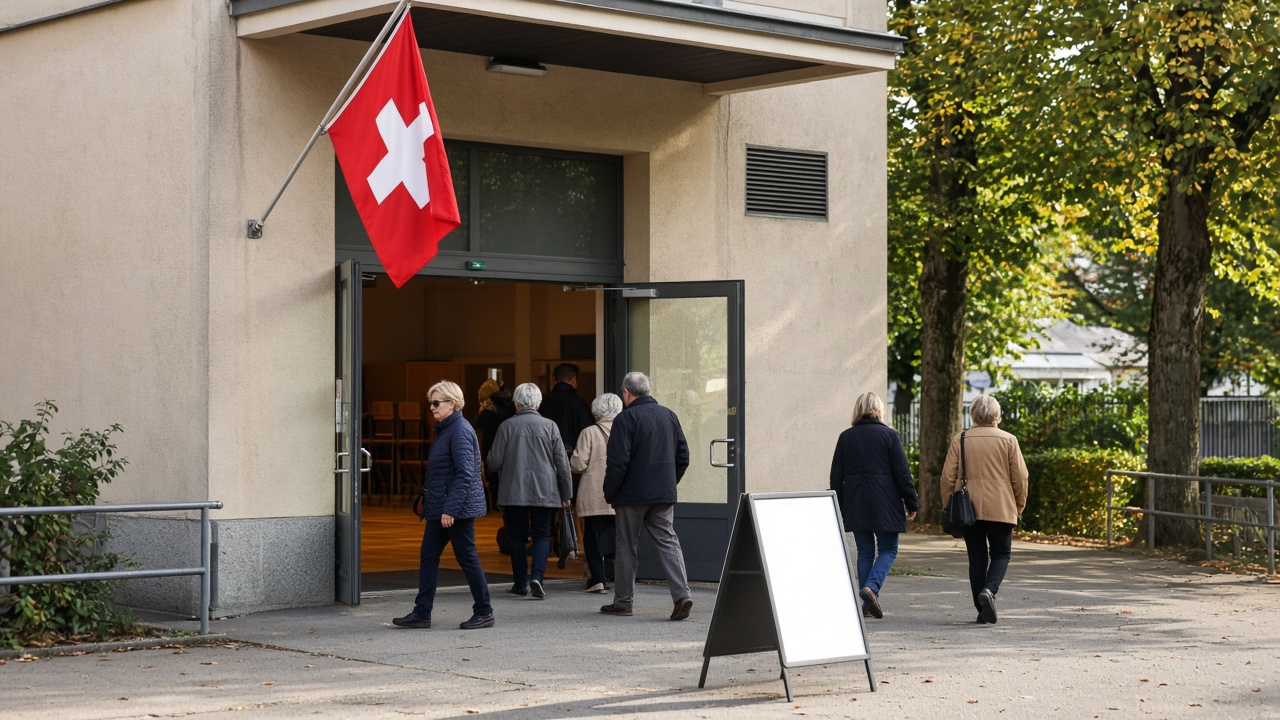
BERN - Swiss voters look set to reject a constitutional change that would bar peacetime cooperation with NATO and limit sanctions to cases approved by the United Nations. A Tamedia and 20 Minuten survey put opposition at 68 percent. A separate SRG poll by gfs.bern found 63 percent against, with 34 percent in favour.
The initiative, titled Preservation of Swiss Neutrality, was launched by Pro Suisse and is backed in parliament only by the Swiss People's Party. It grew out of anger at Switzerland's 2022 decision to copy European Union sanctions on Russia after the full-scale invasion of Ukraine. Supporters say that step abandoned a tradition that kept the country out of other people's wars.
What the text would change
If accepted, the clause would stop Switzerland joining sanctions unless the UN Security Council has acted, and it would restrict military cooperation in peacetime. The Federal Council and both chambers of parliament have recommended a no vote. Ministers argue that a rigid formula would weaken security without restoring a golden age of neutrality that never quite existed in the form campaigners describe.
More than two thirds of respondents say the initiative would limit Switzerland's ability to work with partners. That argument is landing, even among voters who still call neutrality part of the national identity.
Russia has commented publicly on the ballot, a fact opponents have used to warn against foreign pressure. There is little appetite, in either poll, for dropping neutrality altogether. The fight is over how much room the government should keep.
A second no taking shape
The same surveys show the food security initiative, which would push for more domestic production, also heading for defeat by about two thirds. Both proposals share the 27 September date. Campaigners on the yes side still have time, but the late shift has gone against them rather than toward them.
The result will feed into the autumn session in Bern, where EU agreements and army funding already dominate the timetable. For a longer view of how Swiss voters have treated climate and security questions, see our November 2025 vote report.