
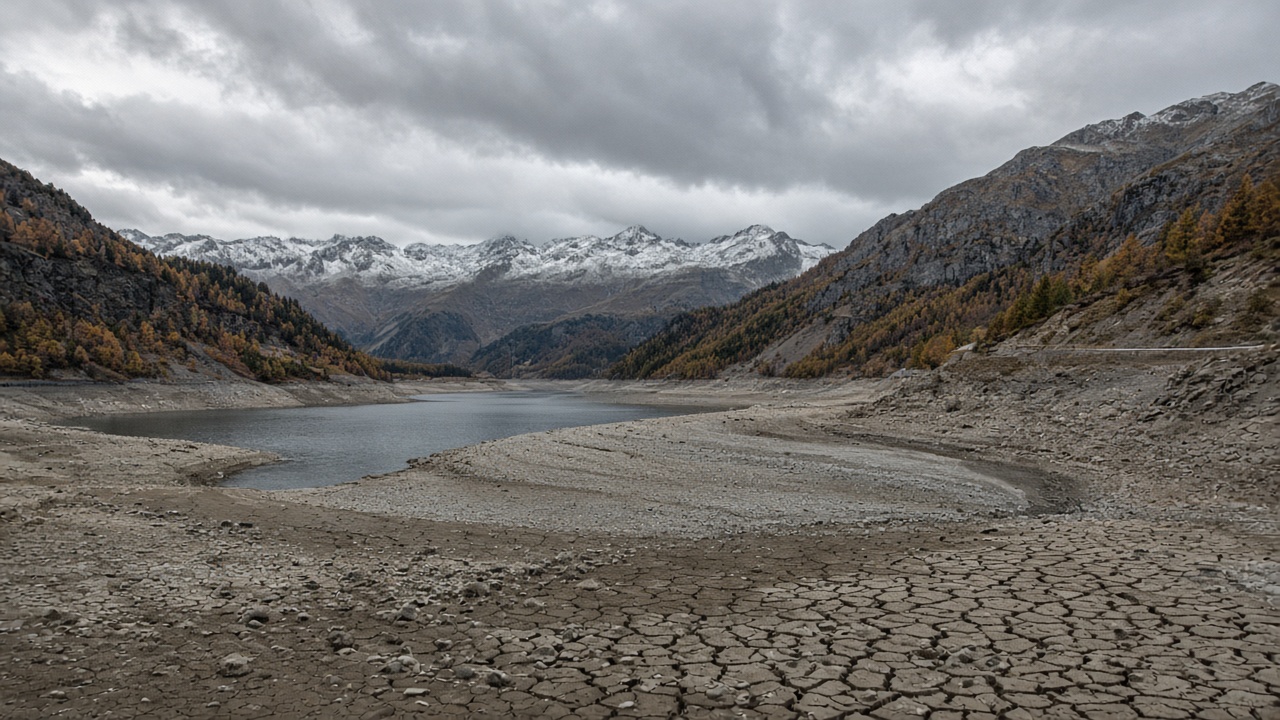
BERN - When Switzerland's driest summer in decades peaked, the machine that was supposed to coordinate the national response was never fully switched on. That is the uncomfortable picture in internal government documents reported on Monday, which show Environment Minister Albert Rösti's drought management meeting resistance inside the Federal Council and the federal administration.
At the centre of the criticism is Rösti's decision to do without the Fachstab Trockenheit, the specialist drought task force created for exactly such a summer. The Federal Chancellery and the Justice Department both objected to that choice, according to the papers. Beat Jans' Justice Department went further, demanding a standing Federal Council committee for crises of this kind, a structural answer the environment department was unwilling to give.
The Copernicus question
The documents reveal a second fault line. Rösti's decision against full Swiss participation in Copernicus, the European earth observation programme whose satellite data track soil moisture, water levels and crop stress, drew criticism inside the administration. In a summer when timely data decided everything from feed imports to river shipping, choosing to watch from the outside was, for some in Bern, a luxury the country could not afford.
The practical consequences of the drought are on record and still growing. Compulsory reserves of animal feed and aviation fuel have been opened, the latter a decision that this newspaper covered when jet fuel was released to keep Zurich Airport supplied. The High Rhine ran at record lows, crop insurers are paying out after CHF 59 million in summer crop damage, and October's rain barely dented the water deficit.
Decisions due within days
The Federal Council intends to decide on further measures by the end of October, which gives the government eleven days to turn a difficult internal argument into a public plan. What is on the table, according to the documents, ranges from longer-running reserve releases to a permanent rethink of who coordinates when the next dry summer comes, because the climate models all say it will.
Rösti, an SVP minister who built his reputation on quiet file management, now faces the unwelcome combination of a public drought and a public paper trail. The reserves bought Switzerland time this autumn. The documents suggest the government spent some of that time arguing about who should have been in charge.