
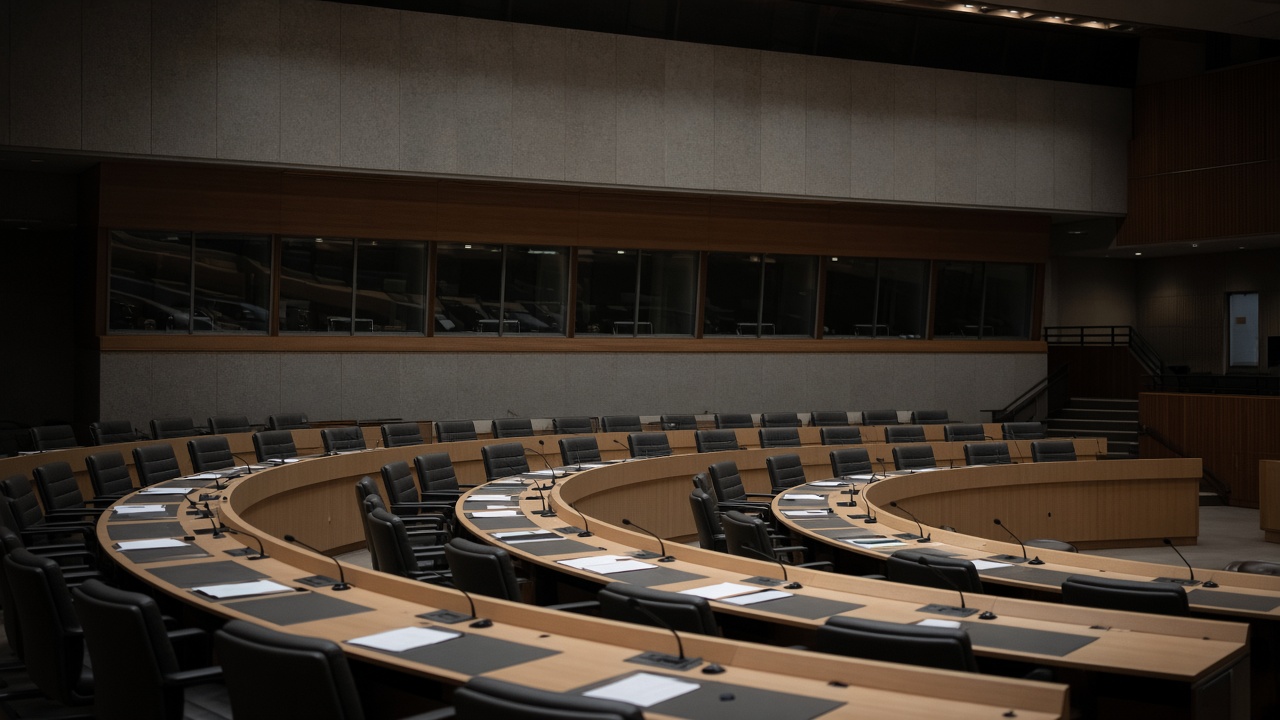
GENEVA - The second session of the UN Loss and Damage Fund board convened at the Palais des Nations this week, with delegates working through technical rules that will determine how aid reaches countries hit hardest by floods, droughts and rising seas. Swiss federal councillor Albert Rosti opened the session, calling Geneva a practical venue for turning pledges into procedures.
Since the fund was operationalised at COP29, contributors have promised roughly $1.4 billion. Developing nations argue that disbursement has been too slow, citing paperwork that delays projects by up to eighteen months. Board officials said negotiators aimed to approve simplified application forms before the weekend.
Swiss position
Switzerland pledged CHF 150 million over four years and has pushed for independent monitoring of funded projects. The approach mirrors domestic priorities in the Federal Council's new climate framework, which ties cantonal grants to verified emission reductions.
Environmental groups gathered outside the gates, demanding faster payouts to Pacific island states. Police reported a peaceful crowd of about 400 demonstrators. Inside, smaller delegations from Vanuatu and Bangladesh pressed for emergency windows that bypass standard review periods after major disasters.
European context
The talks overlap with European debates on climate finance. While the ECB held rates steady, EU officials in Brussels said member states should treat loss and damage contributions as separate from existing development aid. For Geneva residents, hotels near the lake reported near-full occupancy, as noted in our city briefing.