
ZURICH - What do you do when electronic devices stop working, the internet is gone and the lights stay off? The city of Zurich is spending October teaching its residents the answer. For the second time, the civil protection office has organised a month of Resilience Weeks, preparing the population for the biggest risks a modern city can face, from a long power cut to disinformation campaigns.
The programme runs across the month and mixes neighbourhood walks with workshops on what the city calls solidarity prepping, first aid and improvisation instead of escalation. Talks cover mental resilience and the handling of disinformation. The idea is that a city that knows itself copes better: neighbours who have met before a crisis are quicker to help each other during one.
Fountains that work without electricity
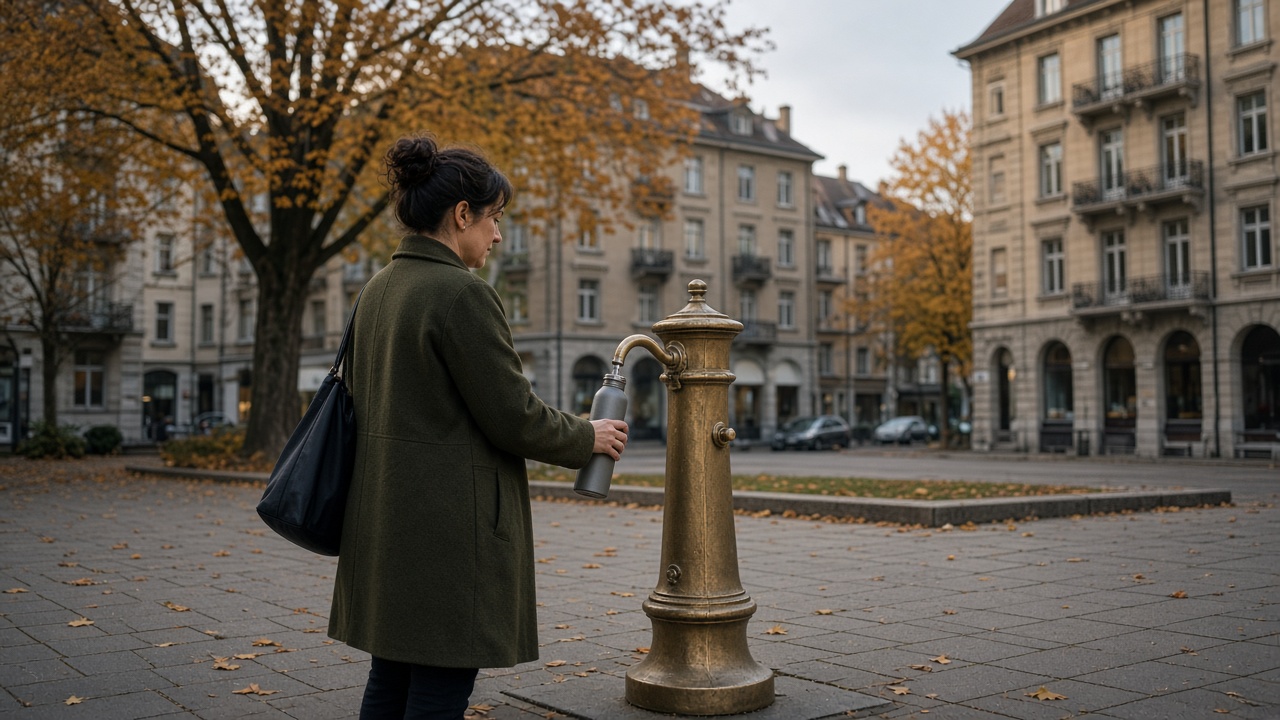
A guided walk through Wiedikon this weekend showed what the preparations look like on the ground. The route has three stops, starting at one of the city's emergency meeting points, marked squares where residents can gather and receive information when other channels fail. From there the group moves to one of Zurich's 80 emergency water fountains. The bronze-coloured columns are fed by spring water and function without power, and they can be converted into distribution points.
The 80 fountains alone could not supply the whole city. But together with the backup generator at the water control centre in Hardhof, the city could keep drinking water flowing for about two weeks, a member of the municipal water utility explained. The federal Alertswiss app, which pushes warnings to phones, completes the picture for the days when the network still works.
Nine litres per person
Ideally, no household should wait for the fountains. The formula the city asks residents to remember is simple: nine litres of drinking water per person, enough for about three days. Participants on the Wiedikon walk said they had long since built up such a reserve. The geopolitical situation has hardly improved in recent years, one older resident noted, and the effort is small.
Zurich is not alone in rediscovering civil protection. The federal government tested the country's crisis routines this month with its largest ever civil protection exercise, a four-day earthquake drill under the EU Civil Protection Mechanism that brought around 500 rescuers to Geneva, Vaud and Fribourg. The city's Resilience Weeks are the quiet, local counterpart: fewer stretchers, more conversations, and a checklist every household can complete in a weekend.