
BERN - The Federal Council on Friday rejected the popular initiative Stop Asylum Abuse, also called the border protection initiative. It adopted its message to parliament and asked both chambers to recommend a no vote, with no direct counter-draft and no indirect counter-proposal.
The Swiss People's Party text would refuse entry and asylum to people who arrive through a safe third country, including temporary admission. It would let the Federal Council set an annual cap of at most 5,000 asylum grants for people with a flight reason. It would also allow a registration duty for nationals of countries with a high number of citizens staying in Switzerland without status, and it would write into the constitution that people without a residence title or another right of entry can be turned away. Enforcing that, the initiative's authors say, means tighter controls on the national border.
Why ministers say the cost is too high
The government says the plan would be very expensive, would put prosperity at risk, would weaken internal security and would call the humanitarian tradition into question. It also says the text would be hard to apply and would not be an effective way to reduce irregular migration or cross-border crime. Customs staff already run checks that follow the situation and the risk. Systematic controls, ministers argue, would not stop secondary migration inside the Schengen area.
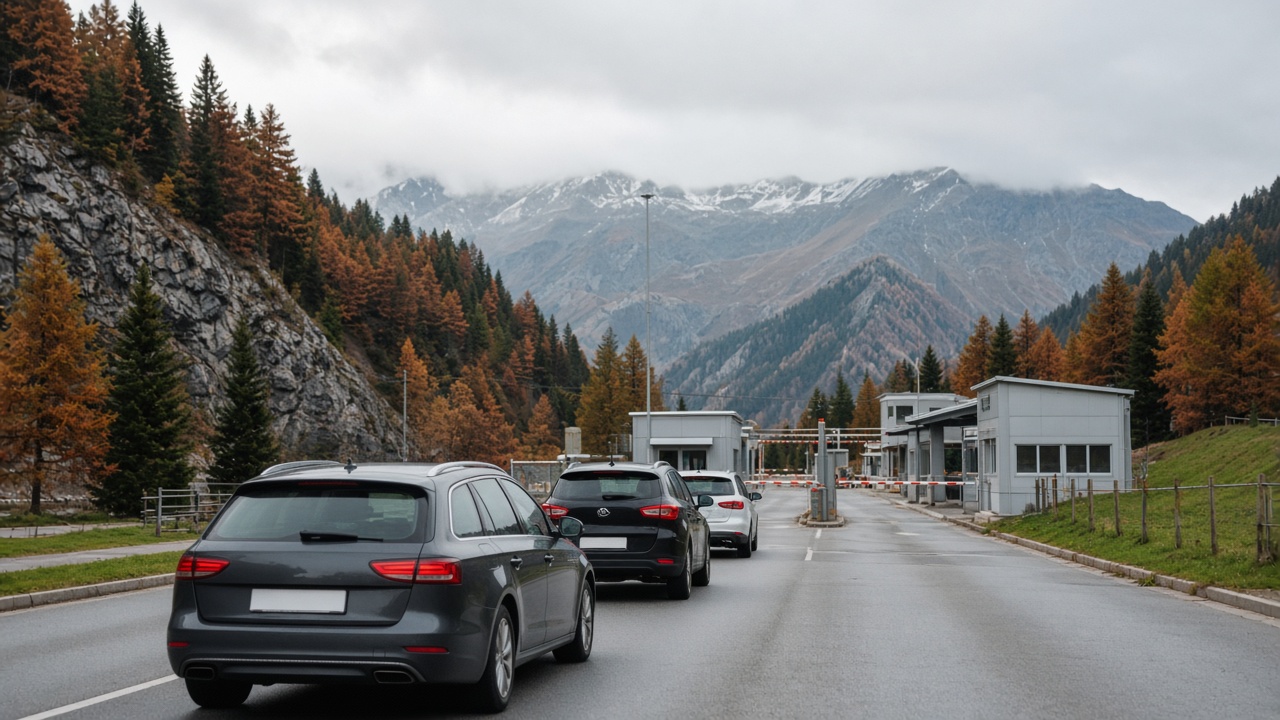
About 2.2 million border crossings happen in Switzerland on a typical day, plus several hundred thousand cross-border workers. Checking all of them would slow commuters, border-region firms and tourism, and it would require many more border officers. The Federal Council puts the bill at CHF 5.8 billion to CHF 16.1 billion a year. It says the loss of income could reach CHF 1,300 a person.
A yes vote would put Swiss membership of Schengen and Dublin in danger. That is the government's central warning, and it is the part border cantons will read first.
Schengen, Dublin and what Bern still wants to change
If Switzerland left Dublin, it would have to examine asylum claims from people who had already applied in another Dublin state, and it could no longer transfer applicants out. The government estimates extra asylum costs of CHF 166 million to CHF 824 million. It also says Switzerland would lose access to Schengen databases and joint police networks, and could not fill that gap alone.
Ministers still say migration policy needs work. They point to Switzerland's part in the European migration and asylum pact, which is meant to reduce secondary movements, and to legal changes the justice department is preparing with the cantons to ease pressure on the asylum system and improve security around it. Those steps are not a counter-proposal to the initiative. Parliament now has to decide whether it agrees with a straight recommendation to reject.
The same autumn session is already deep in the EU treaty package. Wage protection and the safeguard clause are set out in our 11 September briefing. Cross-border commuting, the daily version of an open border, is the subject of the Ticino report.