
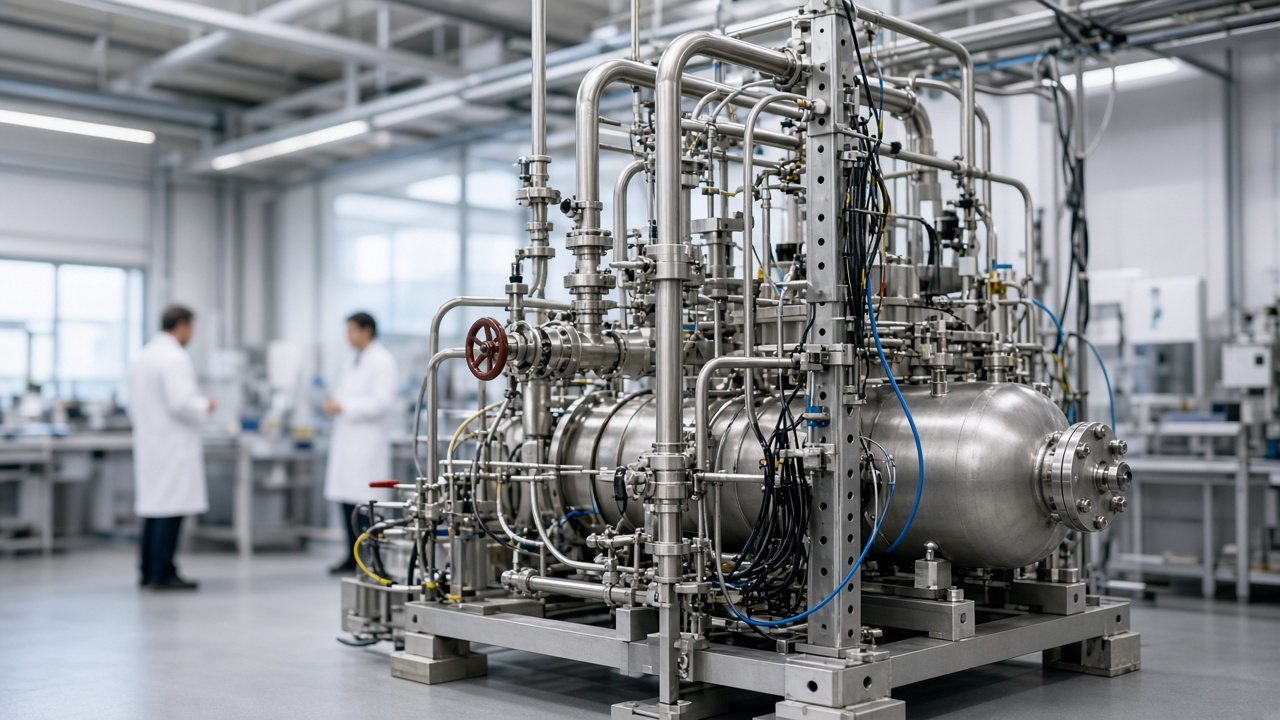
ZUG - Copenhagen Atomics, a Danish start-up that wants to mass-produce small nuclear reactors running on thorium, is moving its headquarters to Switzerland. The first steps are already visible: in May the group registered a public limited company named Zug Atomics SA in the Zug commercial register, and it is actively recruiting managers for the future site, Le Temps reported on Sunday.
Co-founder Thomas Jam Pedersen, who sits on the board of the Zug company, justified the move in interviews with Le Matin Dimanche and the SonntagsZeitung by describing the European Union as over-regulated and hostile to industry. The relocation will go ahead regardless of the outcome of the February 2027 vote on lifting Switzerland's ban on building new nuclear power plants, he said.
Tests at the Paul Scherrer Institute
Switzerland is not unfamiliar territory for the Danish firm. Copenhagen Atomics wants to test its reactor in collaboration with the Paul Scherrer Institute in Villigen, Aargau, which belongs to the ETH Domain. The permits required for a first test are expected by 2028.
The company's installations are smaller than current reactor models and are designed one day to leave a factory in series rather than being built one by one on site. They run mainly on thorium, a radioactive material that produces less long-lived waste than the uranium used in conventional plants. Production, the company says, could start within a few years.
Landing as the nuclear debate reopens
The arrival lands in the middle of Switzerland's own nuclear rethink. Parliament has already voted to lift the ban on new nuclear plants that has been in place since 2017, and voters will have the final word in February 2027 because a referendum was promised against the change.
Zug's pull is easier to explain: low corporate taxes, fast registration and a long habit of hosting young industries, from commodity traders to the crypto sector. Whether a thorium test reactor belongs in that list is a question for the federal safety authorities, and eventually, perhaps, for the voters who will decide the nuclear question first.