
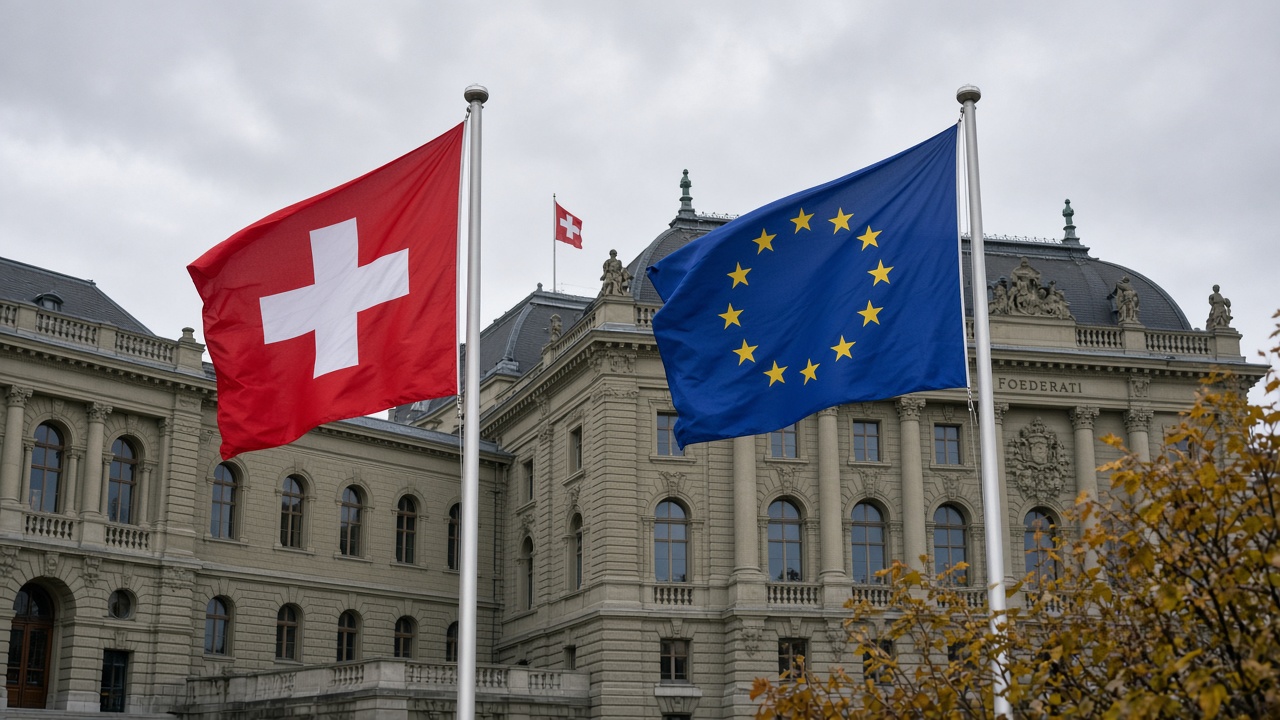
BERN - A week after the Council of States finished its work on the Swiss-EU treaty package, Brussels has said in plain words what it thinks of the result. The Senate's decision to demand criminal record extracts from all EU citizens who want to settle in Switzerland, and to bar settlement applications from people who become unemployed or claim social assistance, is not helpful, the EU ambassador in Switzerland, Andreas Künne, told the NZZ. The European Union expects Switzerland to honour its commitments.
The problem is legal as much as diplomatic. Both demands deviate from the renegotiated free movement of persons agreement, which forms part of the package that Bern and Brussels negotiated and signed over many years. Those texts cannot be amended unilaterally. The Senate's changes are only final if the National Council agrees to them when it takes up the treaties and their implementation in December.
Two parties, one open question
Inside Bern the focus is on the two centrist parties that will decide the fate of Bilaterals III. The Centre's president, Philipp Matthias Bregy, believes his party will land on a yes. The FDP is keeping its line open: co-president Benjamin Mühlemann told SRF that the party has not taken a position, that its delegates' vote in autumn 2025 was an early orientation for the consultation, and that the treaties pair economic advantages with state-political drawbacks. Which side of the scale wins, he said, will decide the party's stance.
The calendar is part of the fight. Supporters in the SP, Centre and FDP want the treaties debated quickly so that voters can decide in June next year, before the parliamentary elections of autumn 2027. The opponents call that haste a trick. SVP national councillor Magdalena Martullo-Blocher told the Tages-Anzeiger that the debate was being cut short and that the, in her words, colonial treaty must be prevented.
What December will settle
When the National Council opens the file in December it will inherit everything the Senate decided in its three-week session: the mandatory referendum with a double majority of voters and cantons, the CHF 193 million for Erasmus+, the wage compromise and the hardened residence rules that have now drawn the ambassador's warning. The government's own preference, an optional referendum requiring only a nationwide majority, will be back on the table as well. Whatever emerges will shape not just the vote, which could come as early as June 2027, but the election campaign that follows it, as the autumn session's closing balance already suggested.