
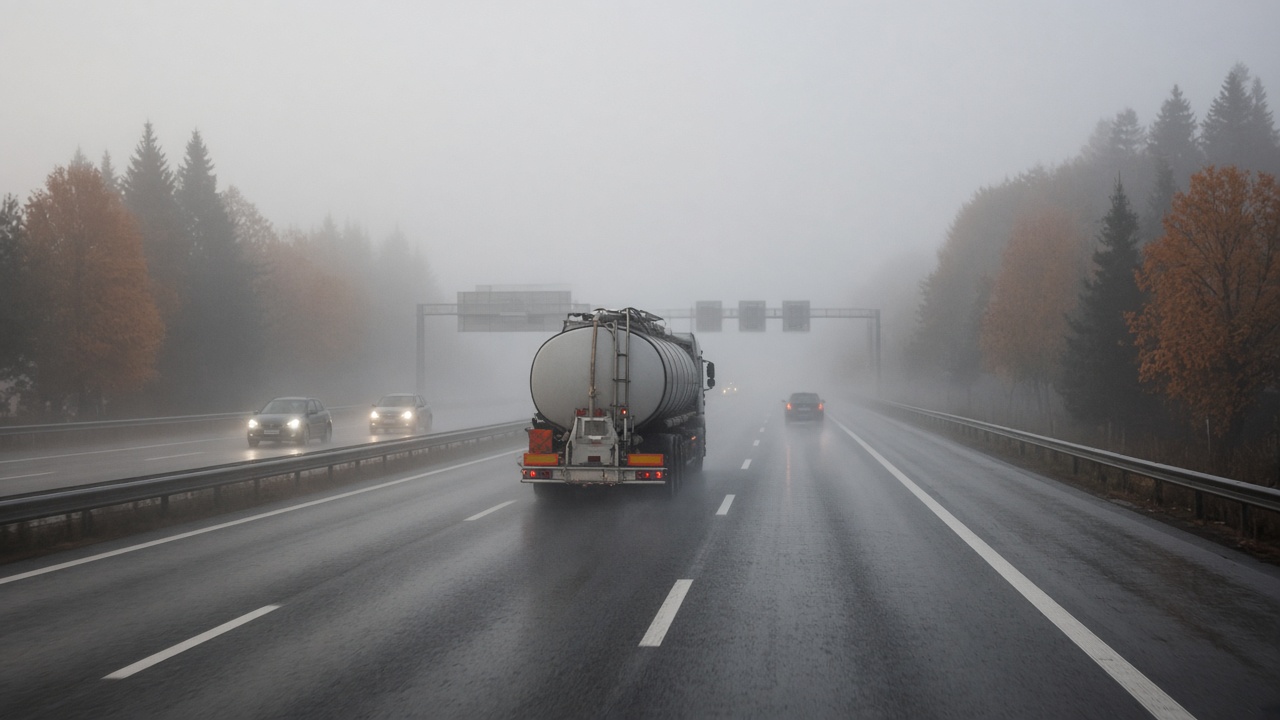
BERN - SRF reported on Thursday morning that the Federal Office for National Economic Supply is examining the speed cut as a response to a tight fuel market. Pfister confirmed the strain. "The situation is tense because the Rhine has not been navigable for a long time," he said. Petrol and heating oil normally reach Switzerland by ship from Rotterdam through Basel. With the river too low, that traffic is sharply reduced. If rail or a pipeline failed on top of that, he said, Switzerland would have a problem.
Routes that are still open
Fuel is still arriving. Crude comes by ship from the United States, then by pipeline from Marseille to the refinery at Cressier, in Neuchâtel. Petrol and diesel also move by train from the Ingolstadt refinery in Germany. A serious shortage of petrol and diesel, Pfister said, could follow if a pipeline were out for several weeks. He pointed to last week, when heavy rain in southern France briefly stopped a line because pumping stations were under water. That is the same southern French disruption that led Bern, on Friday, to open compulsory diesel stocks through 22 November.
When an 80 km/h rule would be used
Switzerland keeps compulsory stocks of diesel, petrol, kerosene and heating oil for this kind of pinch. The confederation has drawn on them at times since September, so far only in a small way. Pfister said last week's diesel release was 4 percent of those stocks, in line with the authorisation of up to 45,000 cubic metres reported on Monday. Jet fuel is a separate file: reserves opened on 15 October are meant to keep Zurich Airport supplied into early November.
An 80 km/h limit, the office says, becomes a real option only once a substantial part of the compulsory stocks has been used and voluntary saving is not enough. The Federal Council could order it quickly, which is why officials still like the tool. Pfister said a lower limit would save fuel and send a strong signal to the public. Brussels is watching the same diesel and jet market, which is why EU refineries are due to sit down with the Commission.
The transport lobby calls the debate early
SVP National Councillor Benjamin Giezendanner, who also runs a logistics firm, is unconvinced. His trucks would not be caught by a car speed cut, he told SRF, because they already spend most of their motorway time below 120 km/h. At the present rate of drawdown, he said, stocks would last more than 24 months, so a debate about Tempo 80 makes little sense now. He does accept that Bern has to keep long-term options on the table. The federal side and the hauliers agree on the narrower point: supply is tense, and an order cutting the motorway limit is still a long way off.