
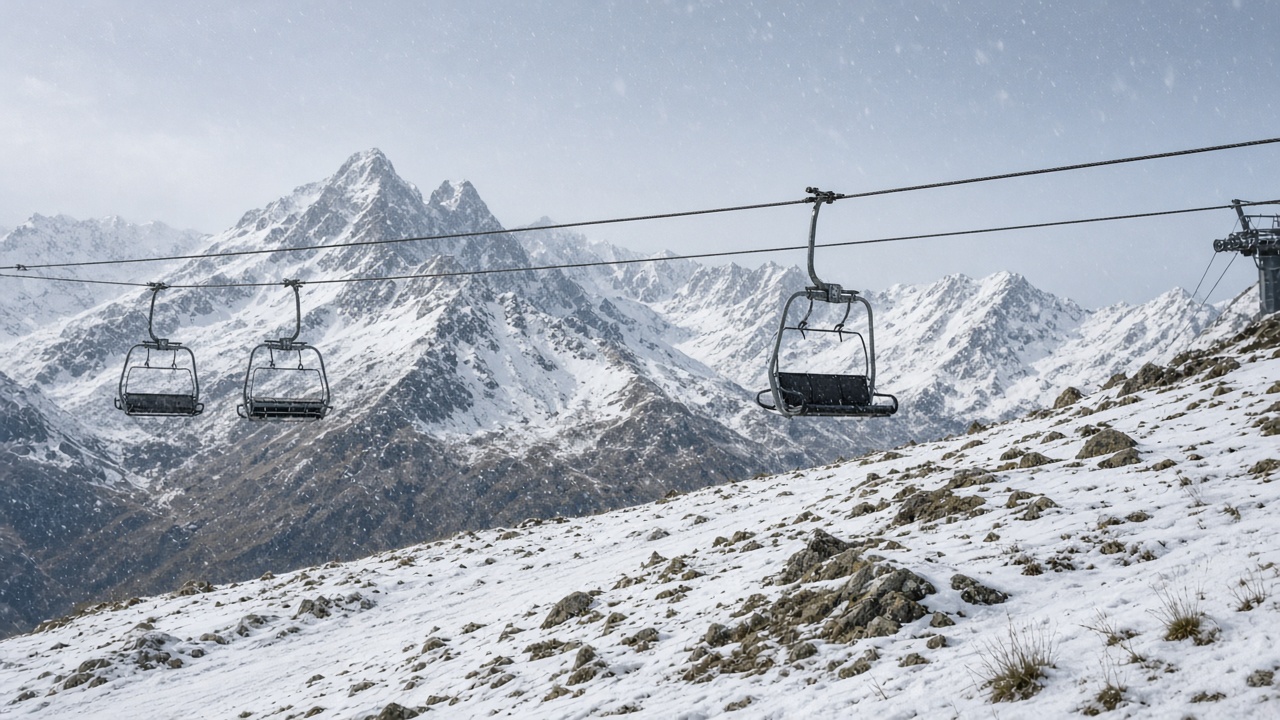
BERN - With the opening of the first Swiss slopes only days away, the price of getting up the mountain is set. Day and season passes will rise on average by between 3 and 5 percent for the 2026/27 winter, according to Berno Stoffel, director of the Swiss Cable Cars Association. He points to the familiar trio behind the increase: personnel costs, energy costs and continued investment in lifts and infrastructure.
Not every resort is joining in. Prices stay where they were in the Jungfrau region and at Arosa-Lenzerheide, among others, a reminder that the average hides a wide spread between destinations competing for the same skiers. The industry is keenly aware that a family ski day in Switzerland was already one of the most expensive outings in Europe before this winter's adjustment.
The season opens from the top down
Zermatt opened its season on 14 October with three lifts, after a scorching summer had forced the Theodul glacier to close to skiers. Saas-Fee follows on 31 October, Glacier 3000 on 7 November, Davos on 13 November, Grindelwald on 21 November and Crans-Montana on 28 November, with Verbier and the 4 Vallees switching on in early December. The staggered calendar reflects the new reality of Swiss winters: the high resorts open first, and the lower ones wait for weather that arrives later every decade, a shift our summer report from the glacier line traced in detail.
Snow closes the passes before the slopes fill
The same early winter that is helping the glaciers is complicating the drive to reach them. The Grimsel Pass closed on Wednesday afternoon and the Susten on Wednesday morning, after the Furka and Nufenen had already shut earlier in the week. The Great St Bernard and the Grosse Scheidegg are closed for the winter as well. MeteoSwiss expects the snow line to keep dropping over the coming days, locally below 1,000 metres.
For drivers heading to the Valais or Graubunden resorts, that means switching to the valleys and the tunnels, and allowing for the first weekend traffic of the season. For the resorts, the early white on the passes is the best advertising they could ask for: after a summer that emptied reservoirs and kept the Rhine too low for fuel barges, snow in October reads as relief. Whether it lasts is another question, and the industry knows better than to book a good winter on the strength of one cold week.