
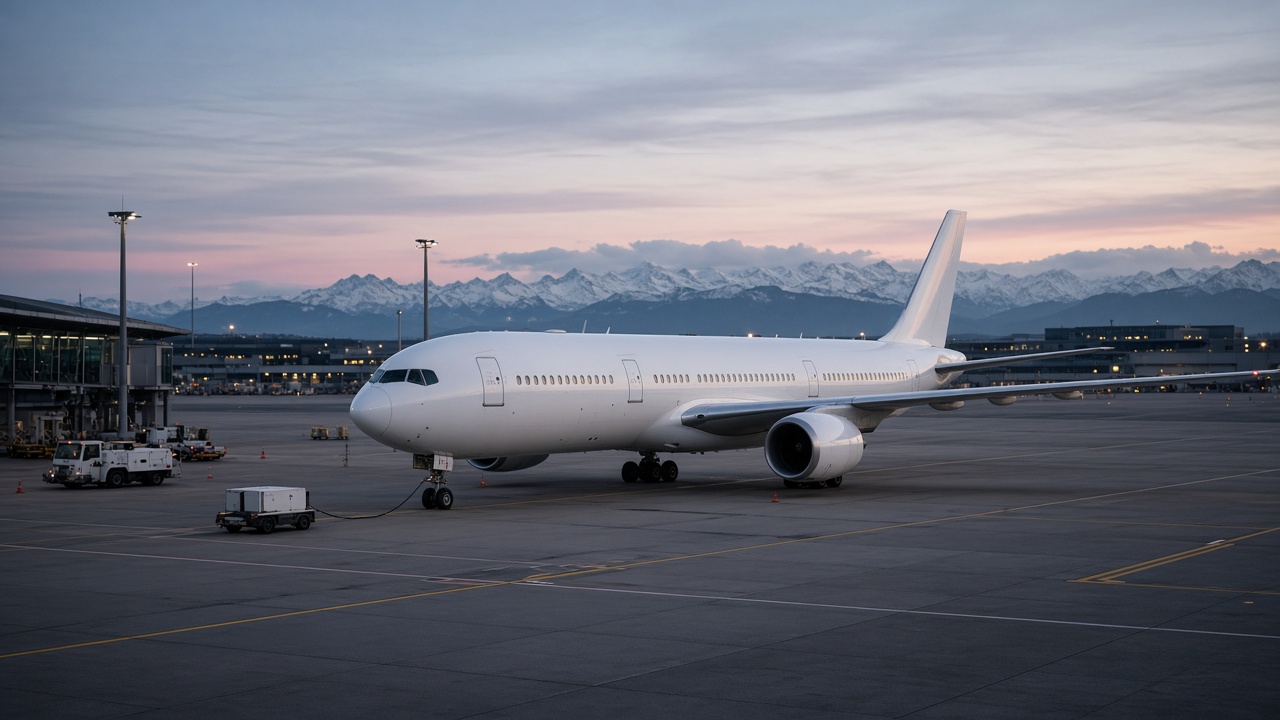
ZURICH - The decision lands at an airport that is already managing fuel with unusual care. Compulsory jet-fuel stocks were opened on 15 October so Zurich could keep flying while Rhine barges and German rail freight fell short. Those withdrawals run into early November. A long-haul restart to the Gulf would have added demand just as that window is still open. The airline did not tie Saturday's announcement to the fuel release. It tied it to security and to an outlook it still will not call stable. For passengers who had rebooked onto the 27 October departure, the practical result is the same: another cancellation, and another date that can move again.
Eight months off the board
Dubai was one of the early cuts when the regional crisis widened at the end of winter. By late October the suspension is long enough to have become part of the winter timetable rather than a short disruption. Travel agents have been selling the 27 October date as the return. Moving it to 25 November, almost four weeks later, means the route misses the autumn holiday peak and returns, if the date holds, into the start of the ski season. SWISS has not published a passenger count for the missed flights. It has published a condition: the Middle East picture has to be clearer than it is now.
Fuel, routes and a tighter winter
The wider supply picture is not only about kerosene. On Friday Bern authorised up to 45,000 cubic metres of diesel from compulsory stocks through 22 November, after pipeline delays in southern France, and officials are reviewing an 80 km/h motorway limit if the shortage deepens. Zurich's own jet-fuel release, capped earlier this month, was meant to stop the airport running dry. A Dubai restart delayed by politics still frees a little of that fuel. It does not free the passengers who planned to be on it this week.