
ZURICH - SWISS International Air Lines said on Tuesday that operating profit for January to September 2026 was CHF 421.4 million. That is CHF 10.2 million more than a year earlier. Revenue rose 5.3 percent to CHF 4.38 billion. The gap between those two numbers is the fuel bill.
Finance chief Dennis Weber said the extra revenue was about the same size as the extra spending on fuel. Higher income from tickets and cargo largely covered the dearer kerosene, and the profit barely moved. Savings and efficiency measures, started early, stopped the result from falling, he said. He added that those measures are still short of what a lasting improvement in profitability would take.
Fewer flights, and slightly fuller aircraft
The airline carried about 13.7 million passengers, 0.7 percent fewer than in the same nine months of 2025. Flights fell 3 percent to about 106,500. The aircraft that did fly were slightly fuller. Behind the thinner schedule are shortages of pilots and of engines for the short-haul fleet. Cargo moved the other way. Swiss WorldCargo had strong demand on routes to Asia.
Punctuality improved. Sixty-nine percent of flights left on time, 0.8 percentage points more than a year earlier. Operational stability fell to 96.9 percent. SWISS blamed extreme summer weather for much of that drop.
Kerosene is about twice the January price
The company said kerosene is again close to the highs seen when the Iran war began, and about twice as expensive as at the start of 2026. It expects the fourth quarter to take a harder hit than the third. The same pressure runs into 2027.
Chief executive Jens Fehlinger called 2026 a transition year. Demand is high and the aircraft are well booked, he said, and the airline still has to deal with rising bills for kerosene, maintenance and staff. He has already warned that fares will rise as fuel hedges fall from 80 percent of demand this year to 50 percent at the start of 2027. The Lugano to Geneva route remains closed, and the pilot talks are unresolved.
Reserves keep aircraft fuelled, and the price stays high
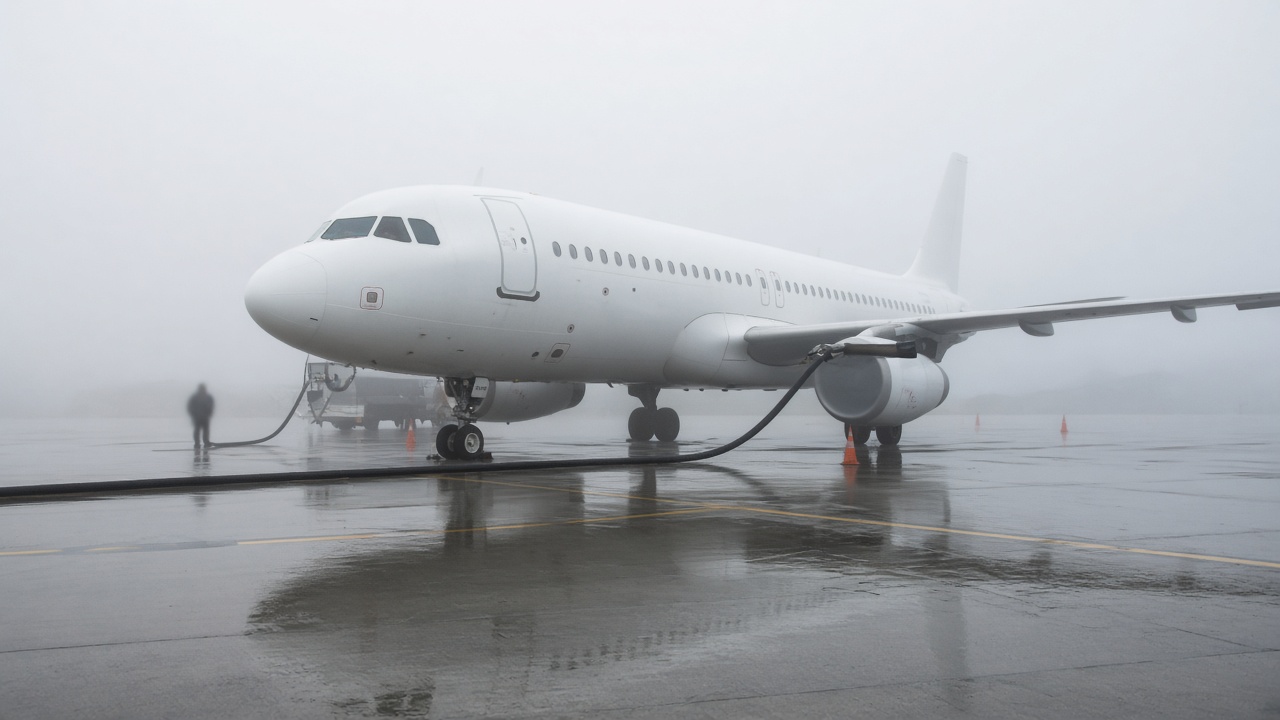
On Tuesday the federal government opened another withdrawal from compulsory jet-fuel stocks, up to 50,000 cubic metres until 29 November, for Zurich and Geneva. That release is about keeping fuel available. The price SWISS pays is a market price. Travellers meet more of it when the hedges thin out. The company has not published a figure for the next fare increase. What it has published is the nine-month result: a small rise in profit, a much larger rise in revenue, and a fuel bill that absorbed the difference.