
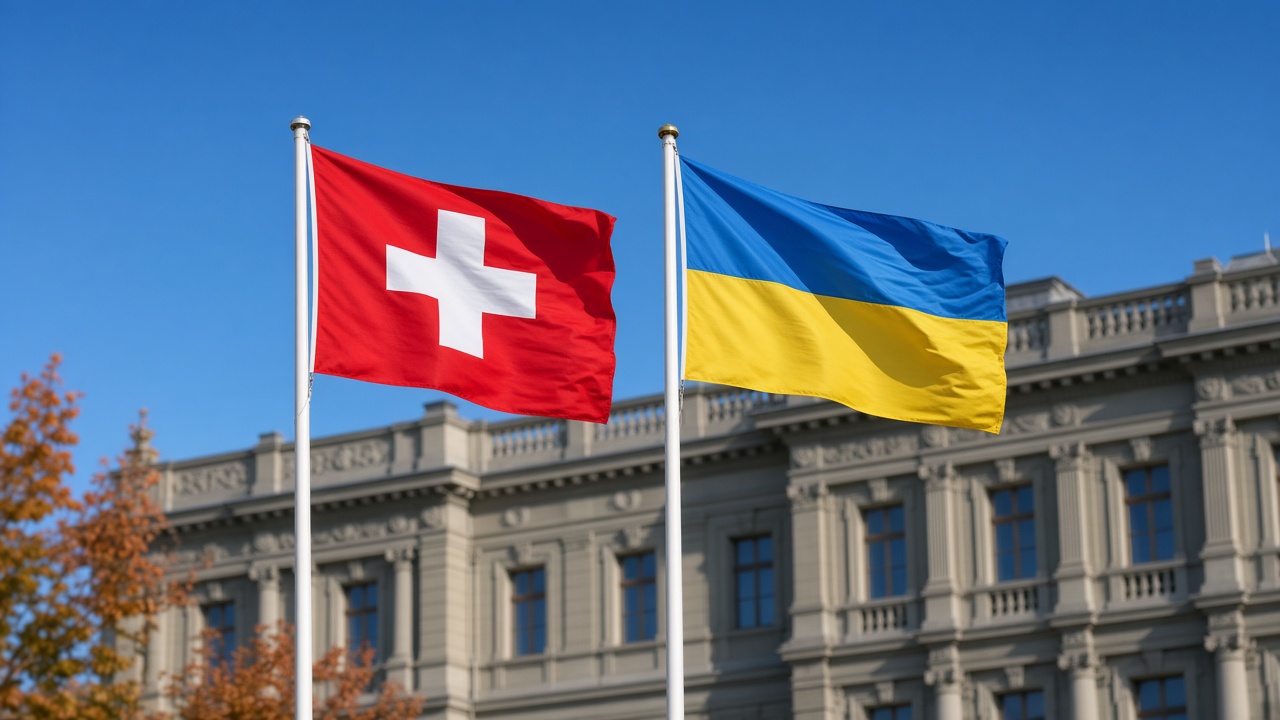
BERN - A bilateral agreement intended to open Ukraine's reconstruction to Swiss companies entered into force on Friday, the federal administration confirmed. Both countries have completed their ratification procedures, and the referendum deadline expired on Thursday, 8 October, without a request being filed.
The agreement establishes the legal basis for financial assistance under which the Ukrainian government identifies goods and services that the Swiss Confederation then procures from Swiss companies through public tender. It applies to all Swiss firms, and is designed to let Swiss expertise and innovation flow into the rebuilding of Ukraine's infrastructure and economy while helping to mobilise private investment.
Fifteen months from signature to entry into force
The deal was signed on 10 July 2025. On 6 March 2026 the Federal Council took note of the consultation outcome and sent the text to parliament, where the National Council and the Council of States approved it in the summer session. Involving the Swiss private sector in the reconstruction of the war-torn country is one of the priorities of Switzerland's Ukraine Country Programme 2025-2028, under which Bern already funds projects run by Swiss companies with a presence in Ukraine.
The quiet expiry of the referendum window contrasts with the louder politics around Switzerland's other foreign-policy files this autumn, from the Senate's contested changes to the EU treaty package to the rejected bid to harden neutrality in the constitution. On Ukraine itself, Bern this week also condemned a deadly Russian attack on civilian buses.
What changes for companies
In practice, Swiss exporters, engineering groups and construction firms gain a clearer route into one of the largest rebuilding programmes in Europe, with tenders published by the Confederation rather than left to individual negotiation in Kyiv. Trade specialists caution that security risk and payment guarantees, not legal form, will ultimately decide how many firms commit. For Swiss exporters watching the franc and the rate gap with Frankfurt, the demand would be welcome; our SNB rate report has the monetary background.