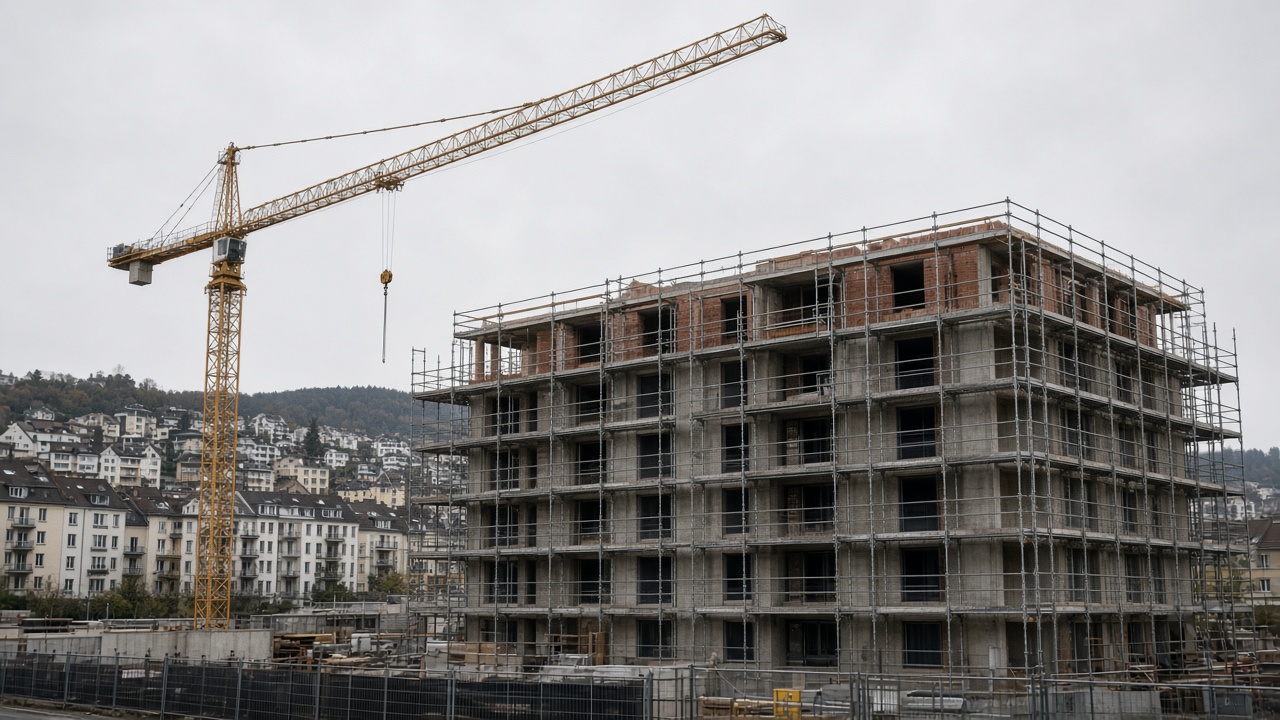
Half-Year Economy Looks Modest as Franc and Rates Stay Sticky
The first six months did not deliver a boom. They did not deliver a bust. That is a Swiss kind of news.

Independent news from Switzerland and beyond
24 posts in the June 2026 file.
The first six months did not deliver a boom. They did not deliver a bust. That is a Swiss kind of news.
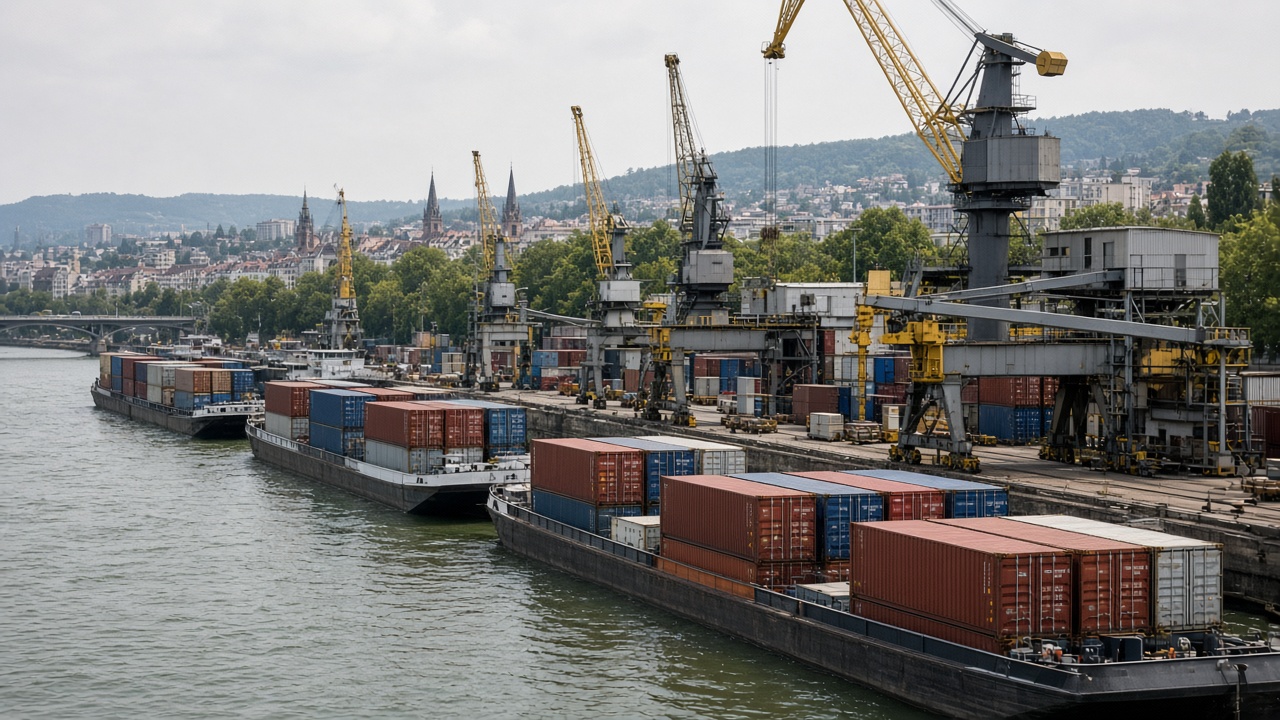
Along the Rhine the first half is measured in product cycles, not in ballot nights.
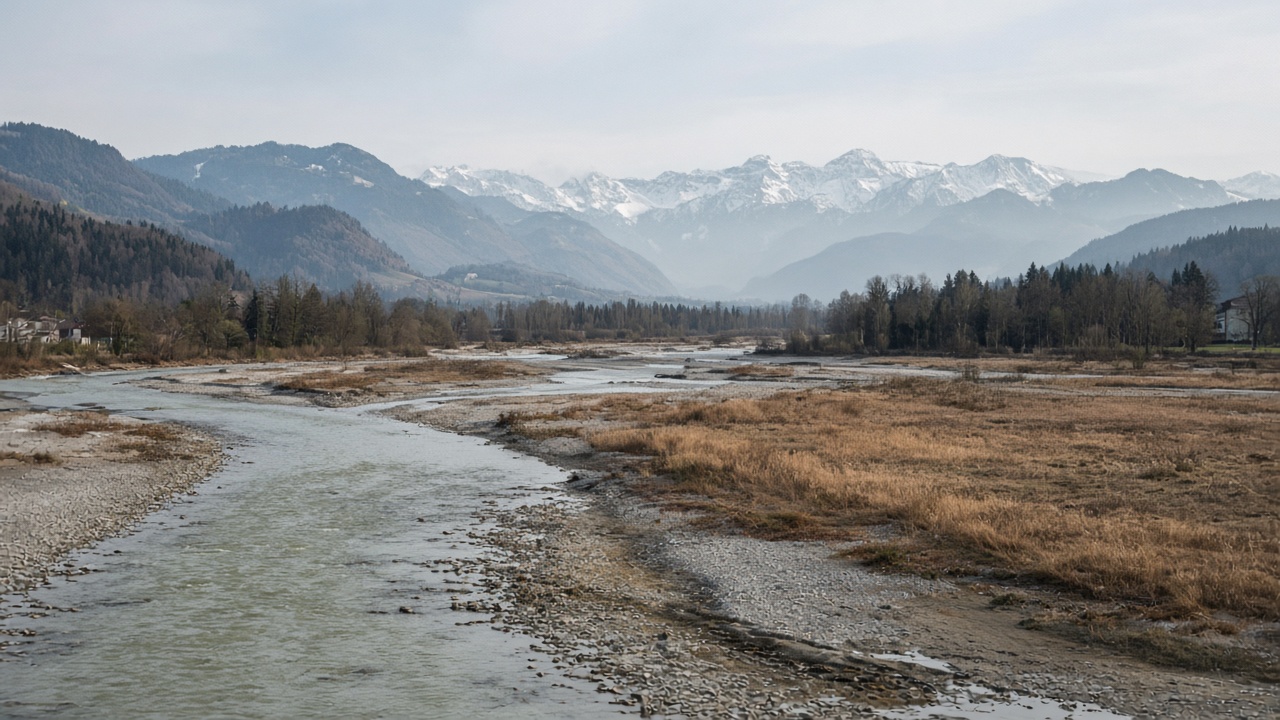
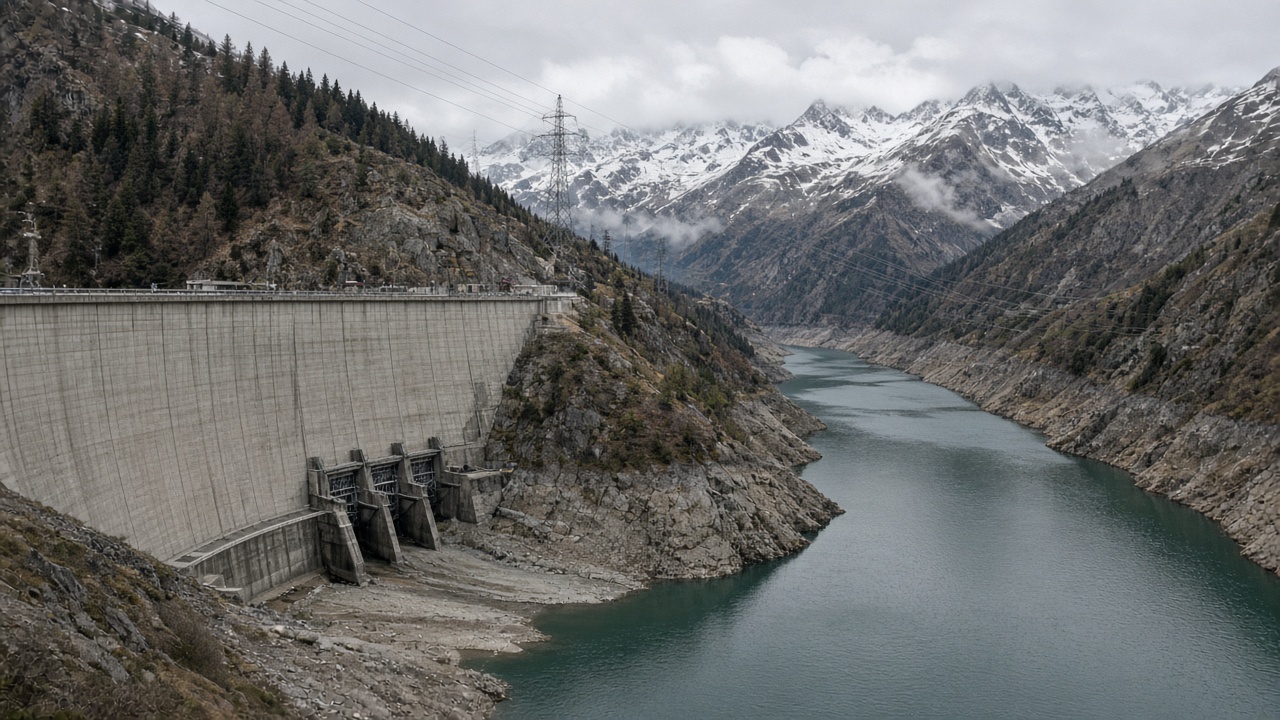
Bern raised the national drought alert to the maximum on 25 June. Rain since April has run at about half the usual amount.
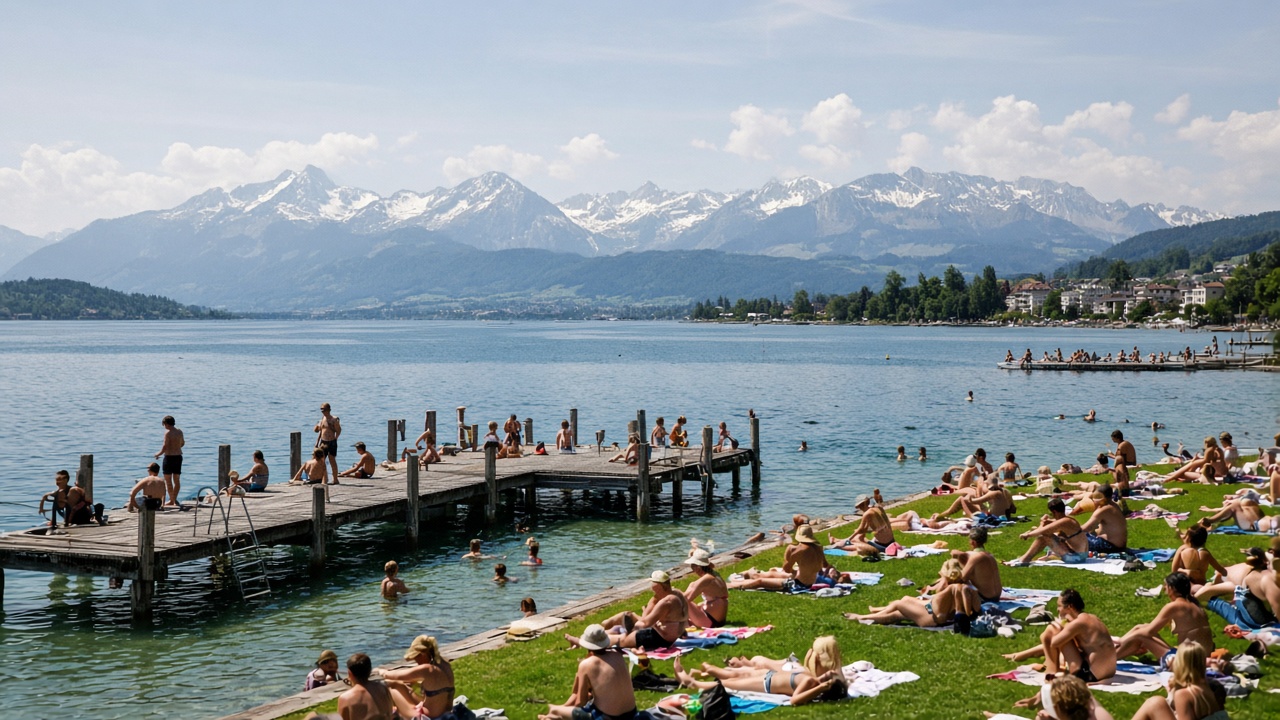
The first serious heat in the city always goes to the lake, because the lake is still public.
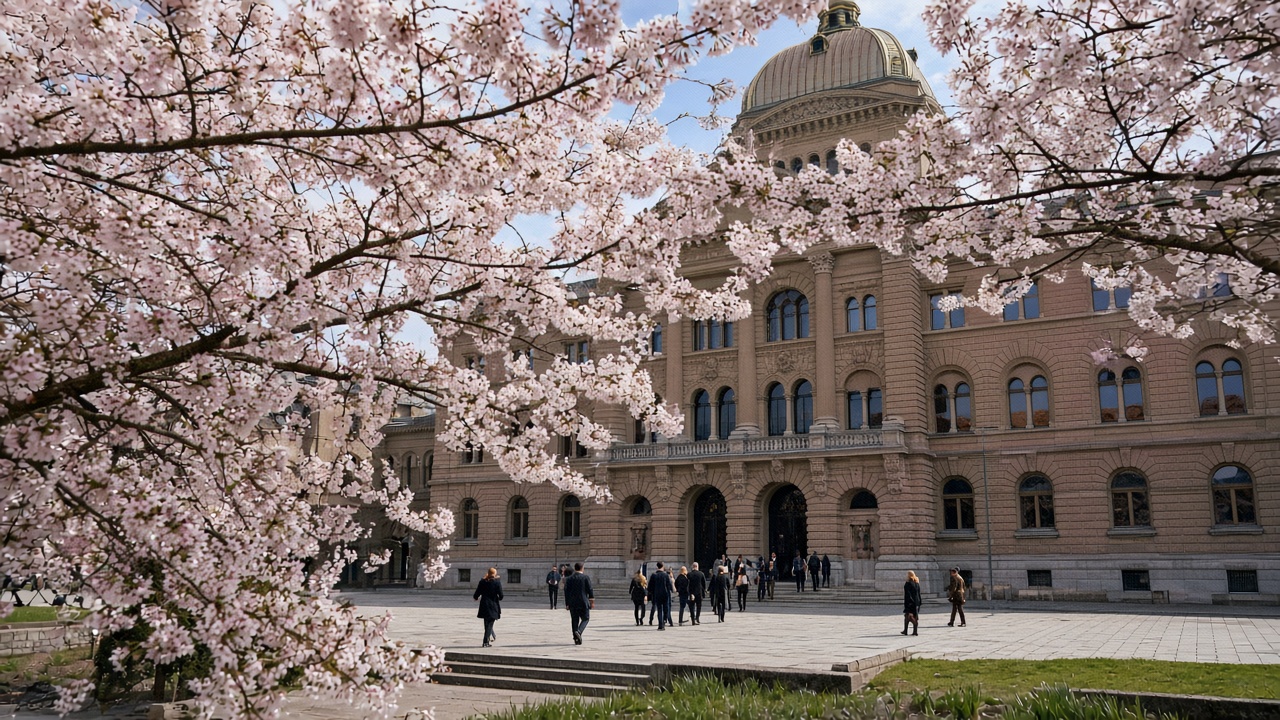
The tables went up three days after the gavel. That is how a parliamentary yes becomes a maybe.
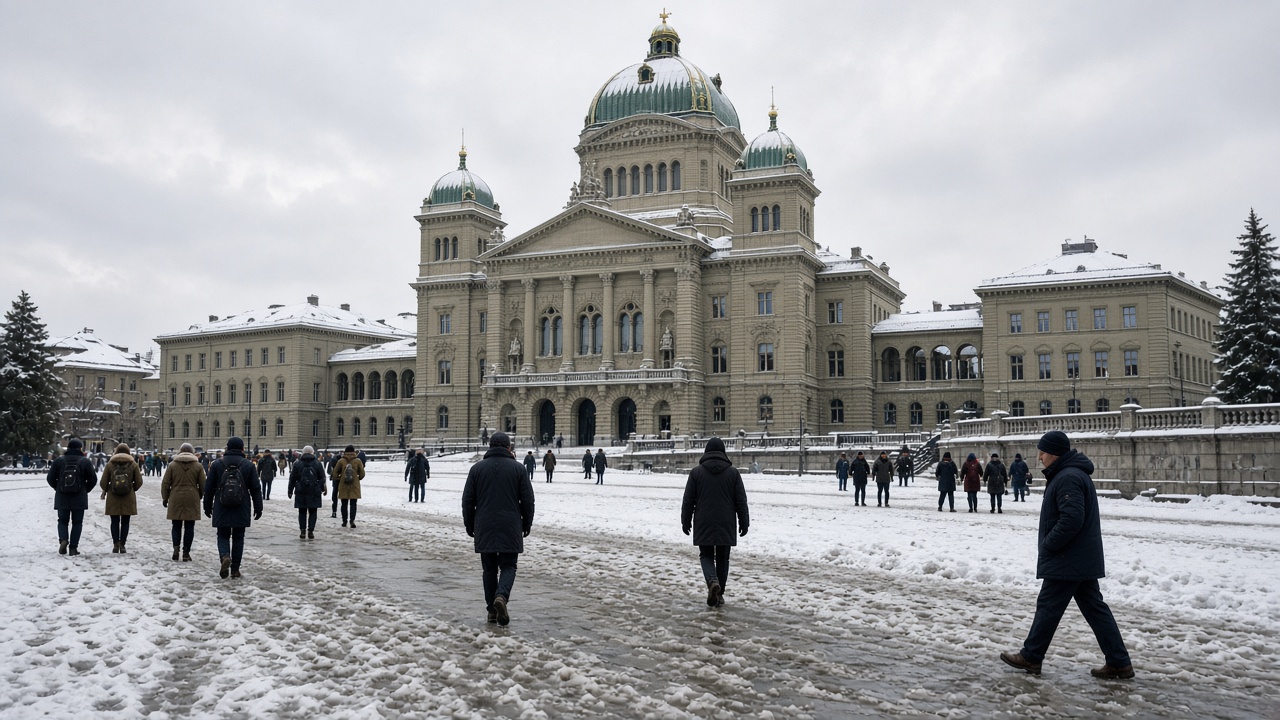
Three weeks in June produced a legal door for nuclear, a political wall for Mercosur, and a petition for the summer.
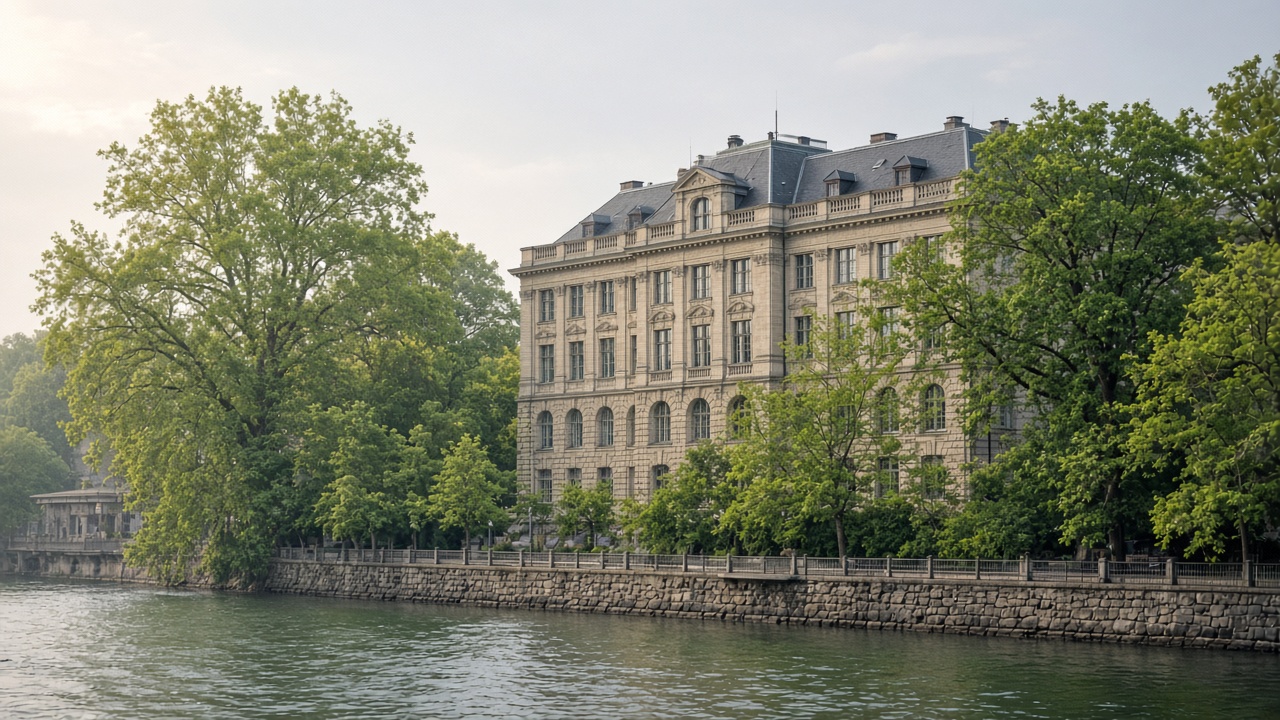
The SNB held at zero, forecast Swiss growth of about 1 percent this year, and raised its readiness to resist a sudden franc jump.

The law that closed the nuclear door is being taken off the hinges. Voters will get the last word.
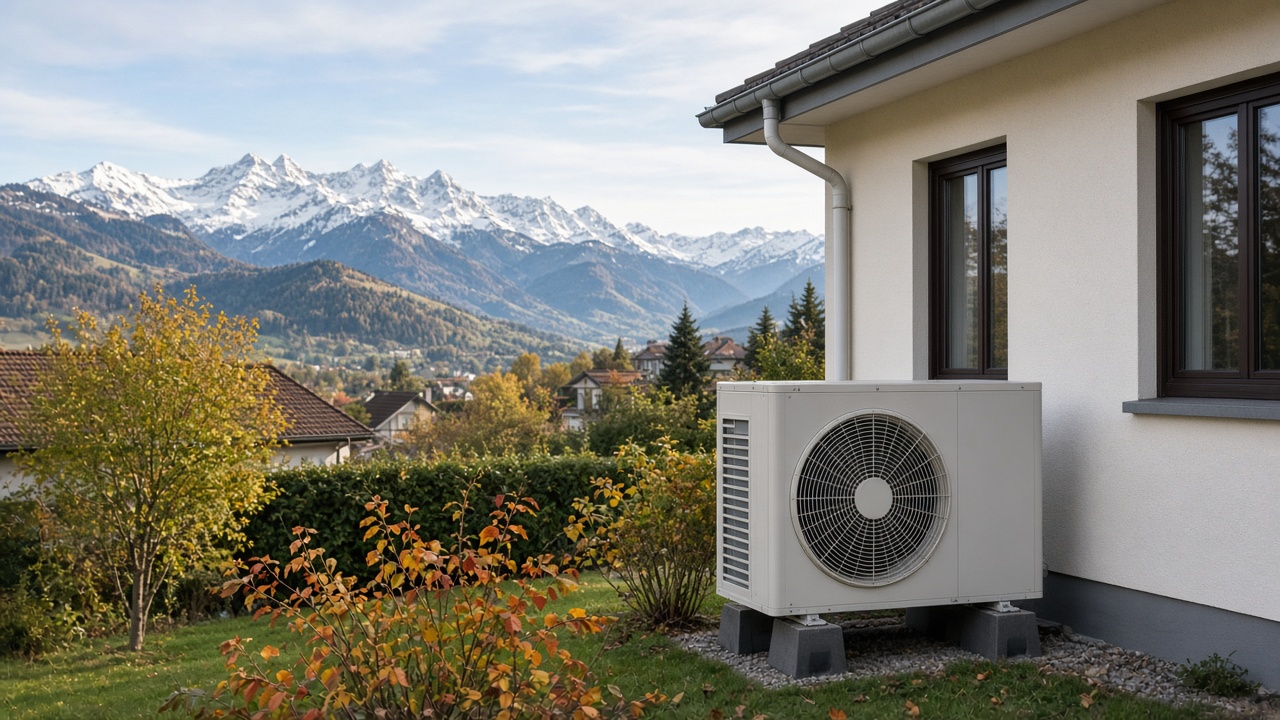
Tomorrow's parliamentary yes is not the last word. It is the starting gun for a petition.
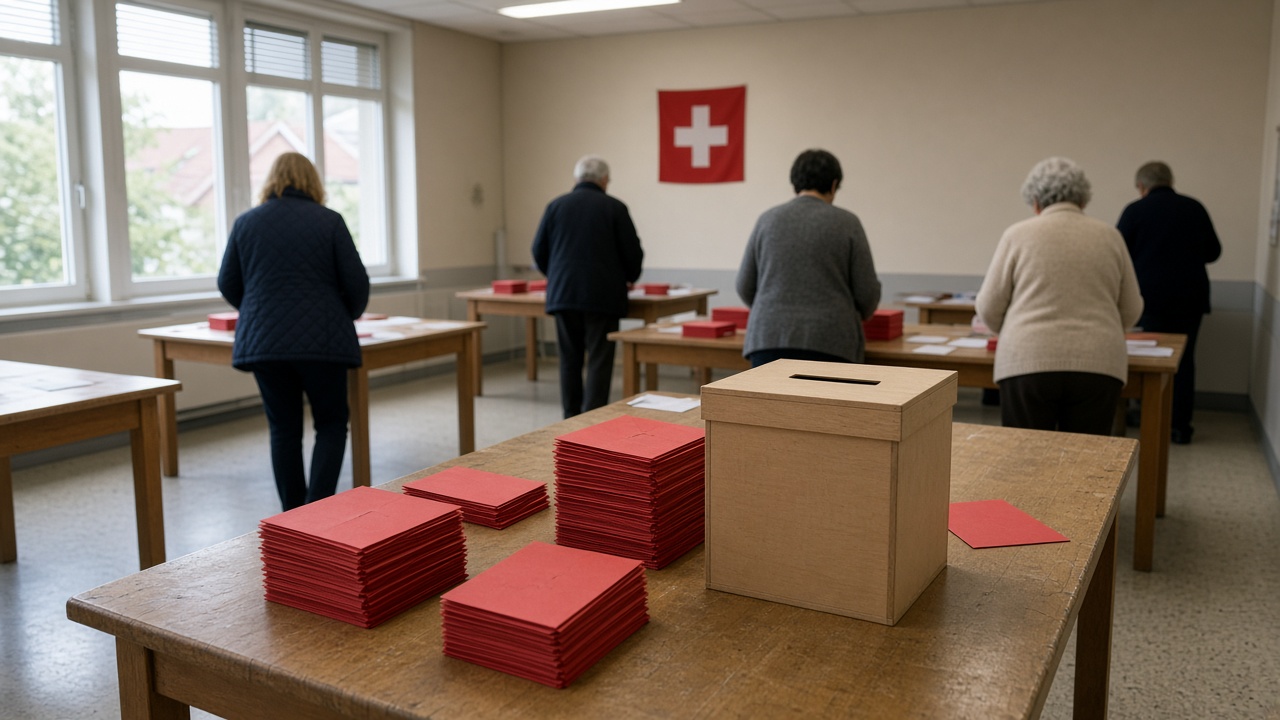
Tuesday's sentences were already written on Sunday. They were merely given percentages.
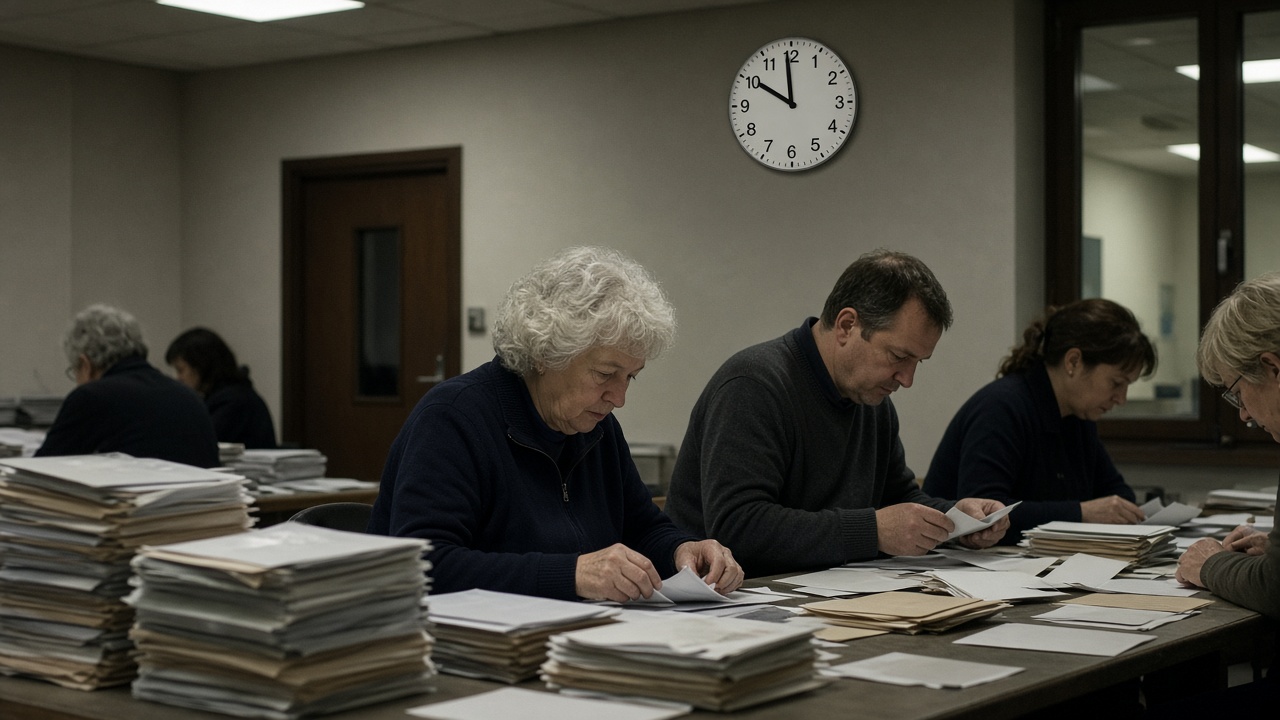
Losing an initiative is not the same as losing an argument. On Monday both sides proved that.
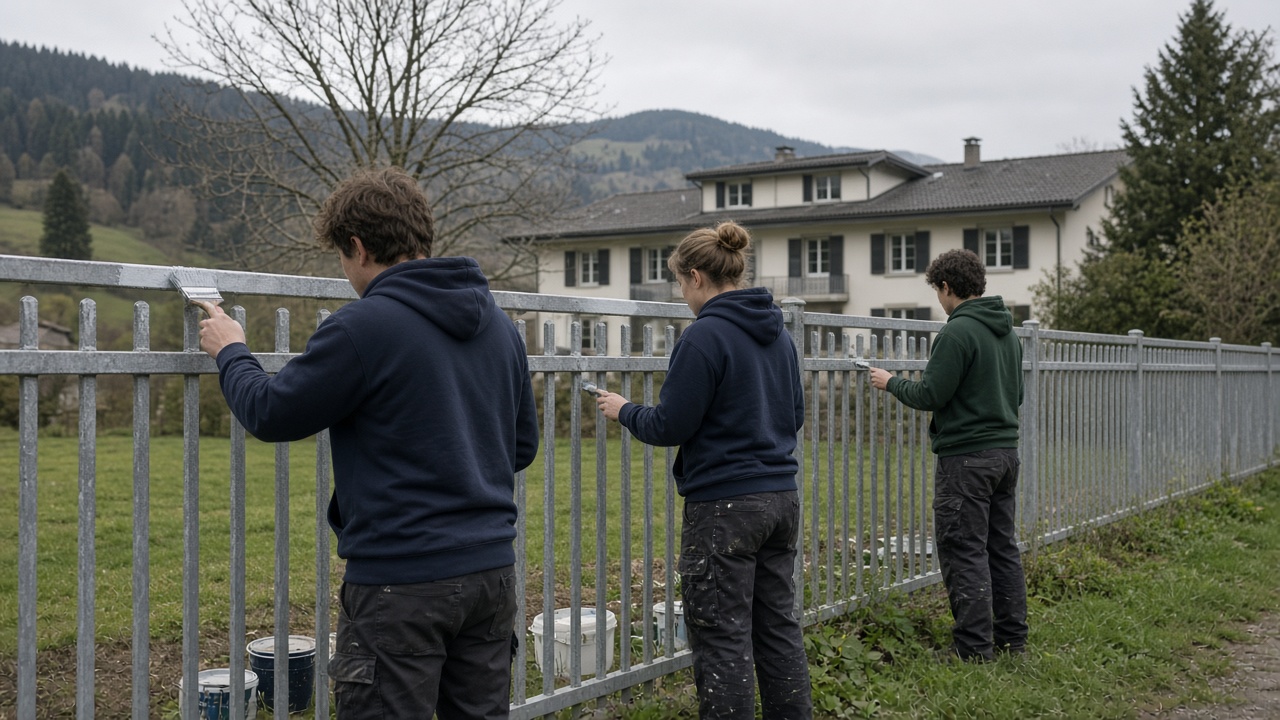
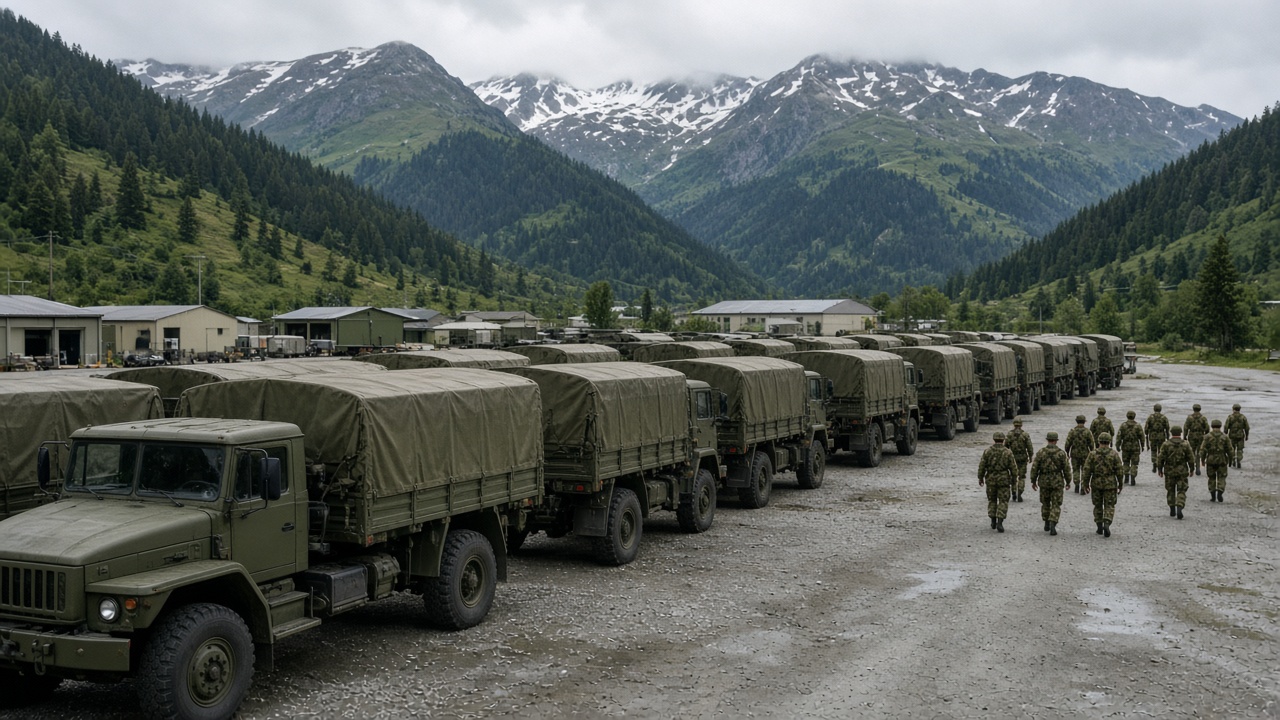
The army got a stickier door, by a margin that would fit on a single refresher company.
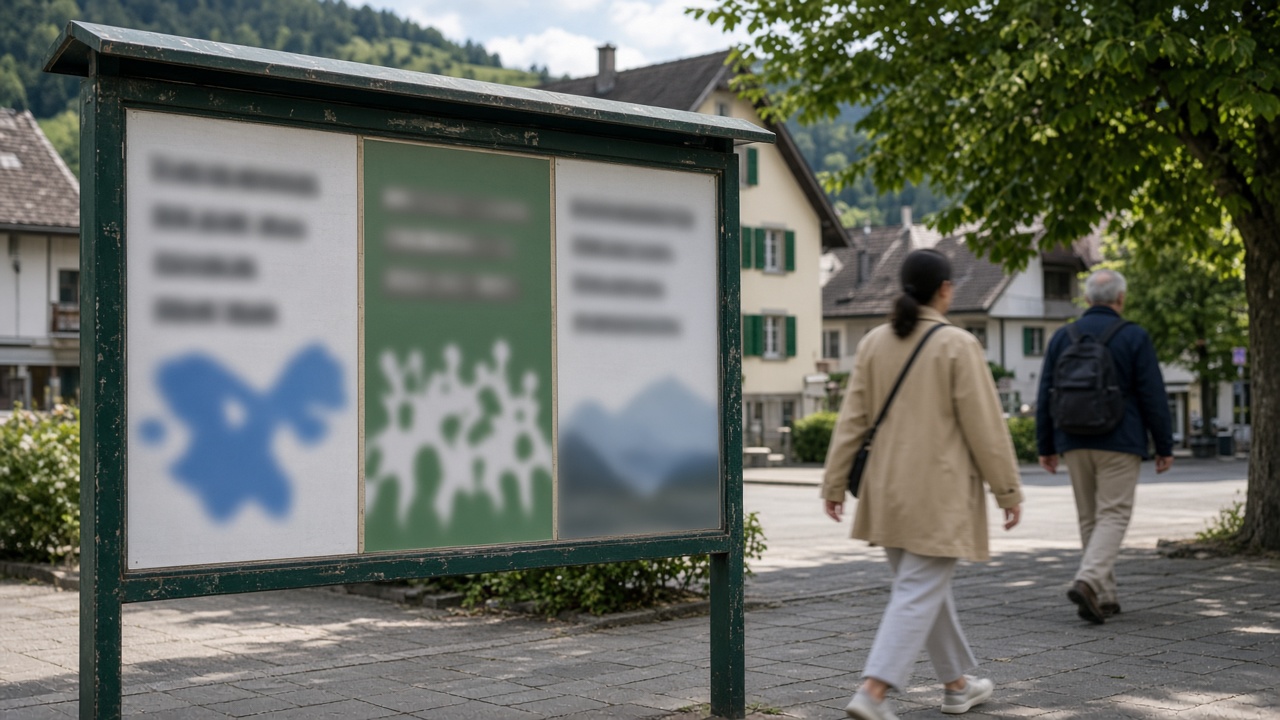
The number on the poster did not become a clause. It became a 45 percent warning.
The gymnasiums opened. The crates that arrived last week may already have decided the shape of the night.
A market Saturday in Winterthur is a good place to learn which argument still needs a flyer.
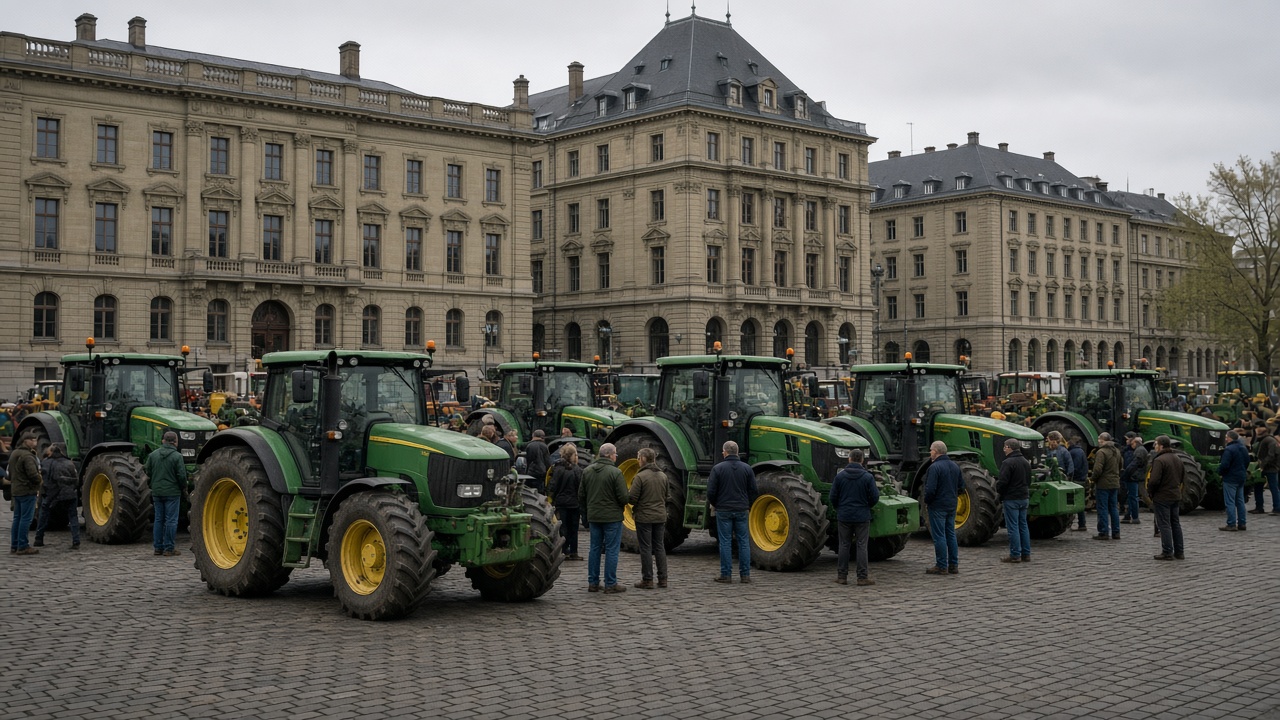
The first parliamentary no was loud. It was not, it turned out, the last word.
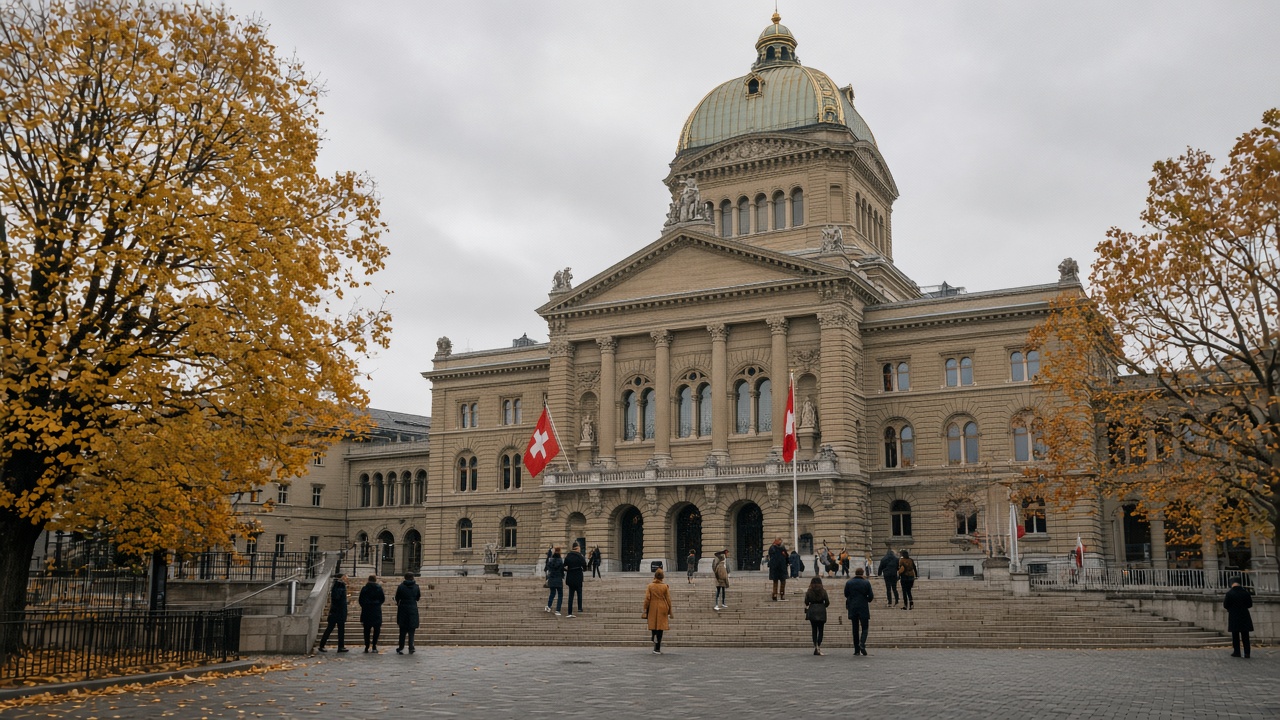
The government's last sentence was long. The campaign's last sentence was a number.
The market-square argument arrived on a tractor, which is how Bern knows it is serious.
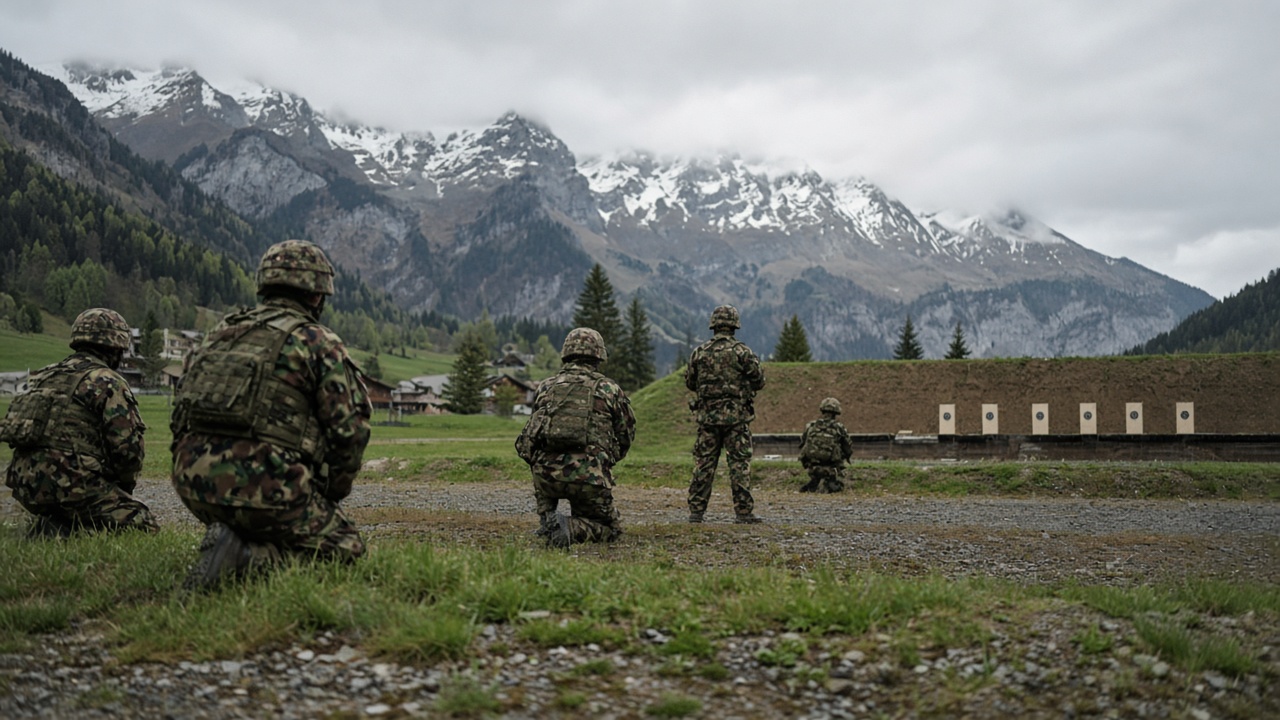
The army's last argument is a table, not a flag.
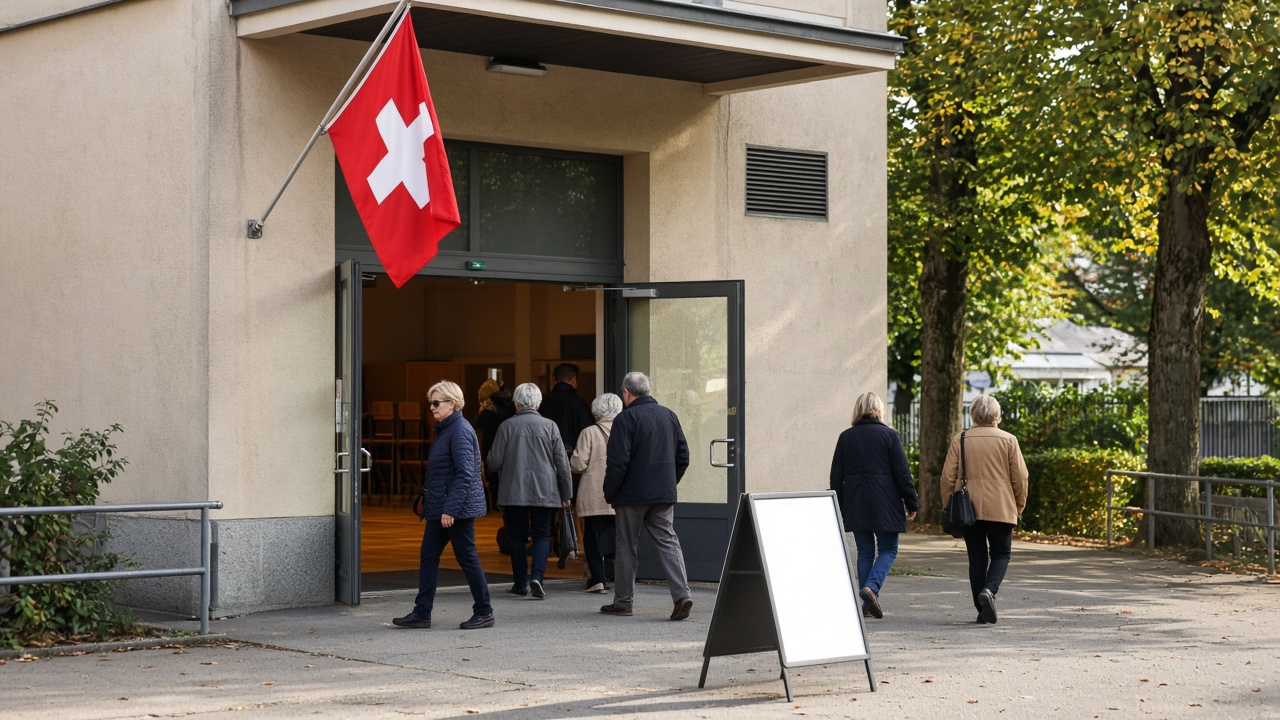
The densest cities are voting on a ceiling they have already almost reached in spirit.
The cap is losing. The staffing law is winning by a margin that still fits in a rounding error.
The official aim is fewer transfers. The official method is more days.
Both sides now campaign with the same photograph of a queue, and draw opposite morals from it.
The first week of June in Bern is a sitting. The second is a campaign. The third is both.