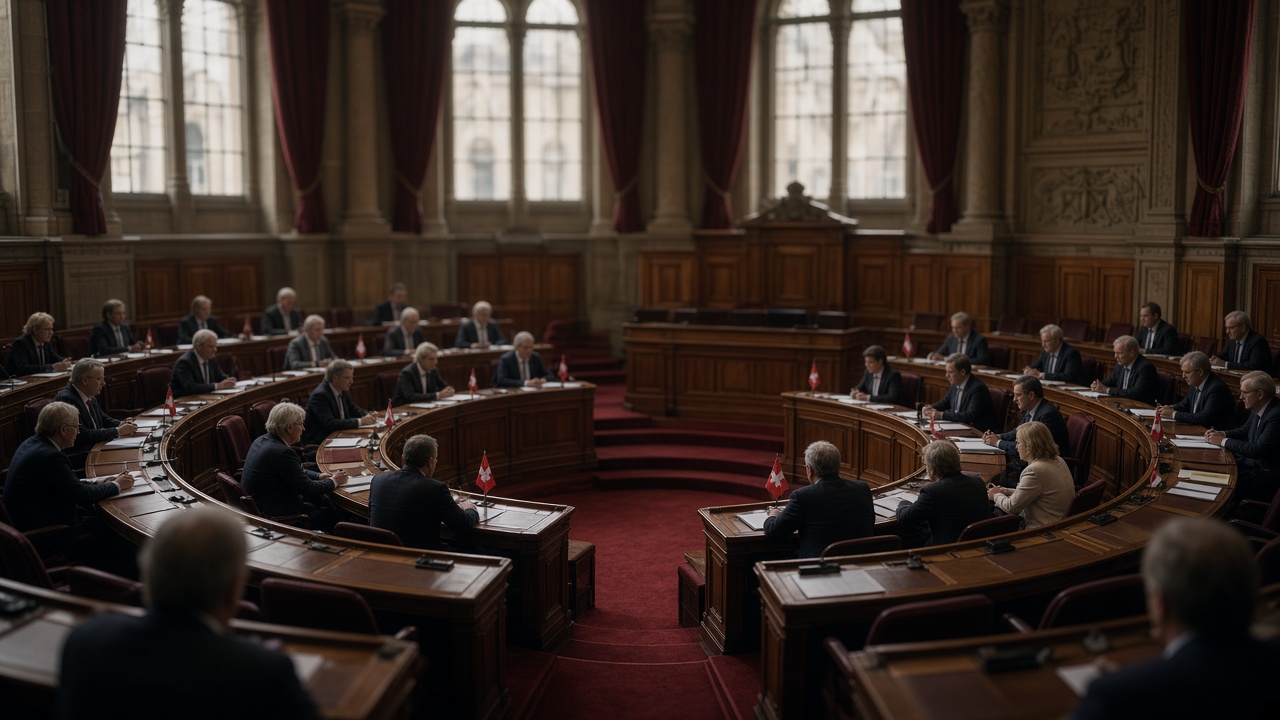
Senate Demands a Vote of People and Cantons on the Swiss-EU Treaty Package
By 23 votes to 17, senators chose a mandatory referendum on Bilaterals III, raising the bar to a double majority of voters and cantons.

Independent news from Switzerland and beyond
44 posts in the September 2026 file.
By 23 votes to 17, senators chose a mandatory referendum on Bilaterals III, raising the bar to a double majority of voters and cantons.
The SFA no longer backs the Swiss FIFA president's bid for another term, costing Infantino the support of his home federation.
The average premium reaches CHF 412 a month next year. Adults will pay CHF 487.60, and the switching window closes at the end of November.
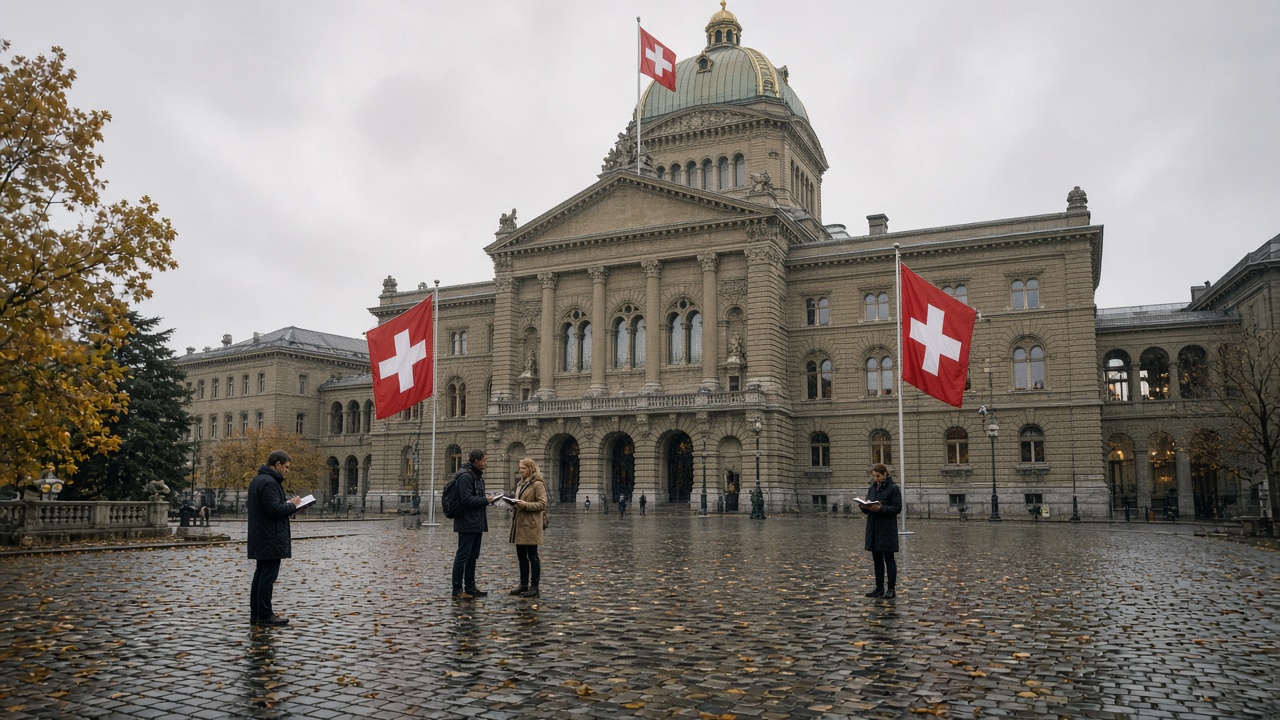
Senators moved from Monday's entry vote into the contested clauses: wage protection, the referendum rule and dynamic adoption of EU law.
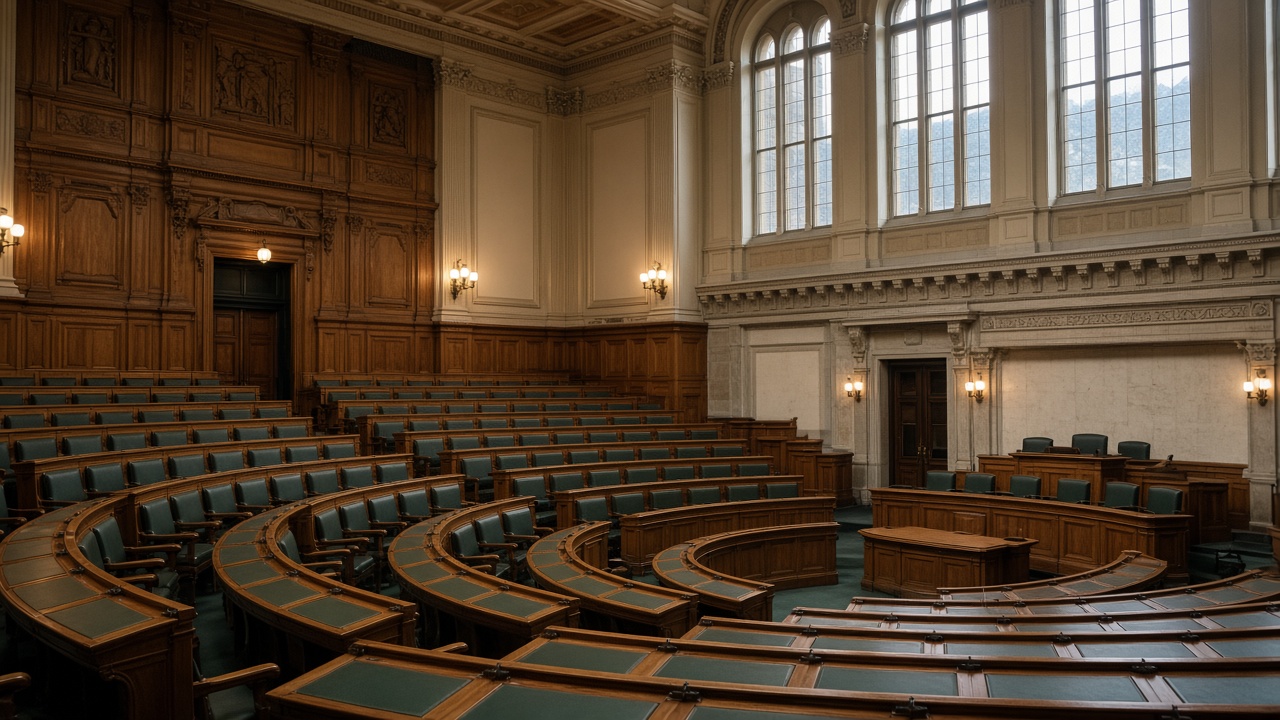
The Council of States voted 29 to 15 to open the Swiss-EU package. Detailed debate on wages and the referendum runs through Wednesday.
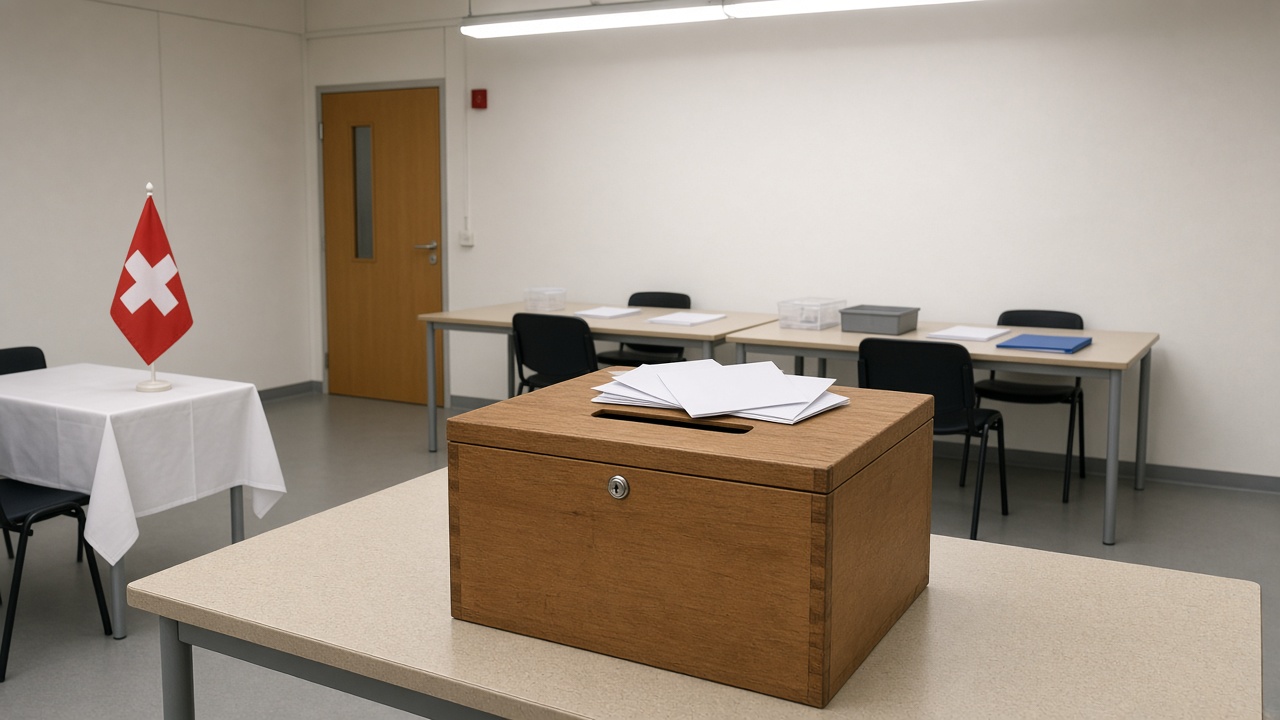
All 26 cantons and 70.15 percent of voters rejected a stricter constitutional definition of neutrality. The food initiative also lost.
Martin Schlegel told SRF the dry summer showed up in food prices, while the rise in Swiss inflation was still almost all petroleum.
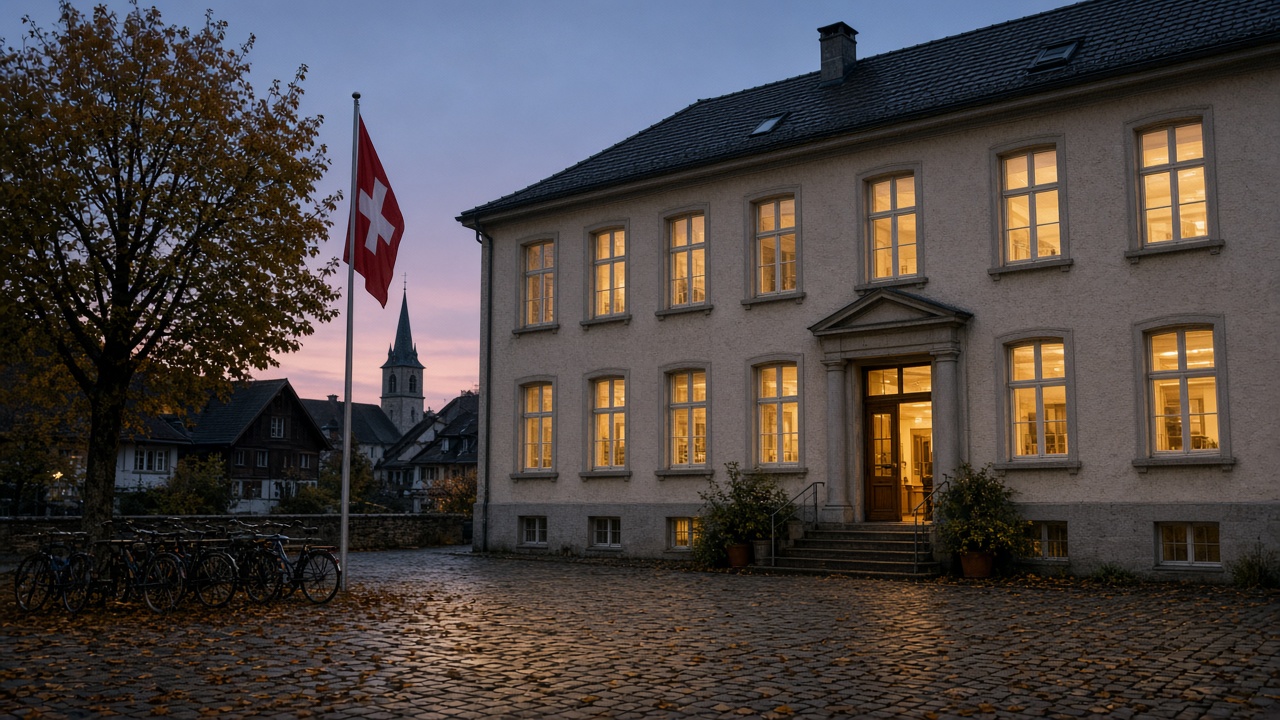
With two days to go, the last national polls still have both 27 September initiatives behind. Most ballots in Switzerland are postal.
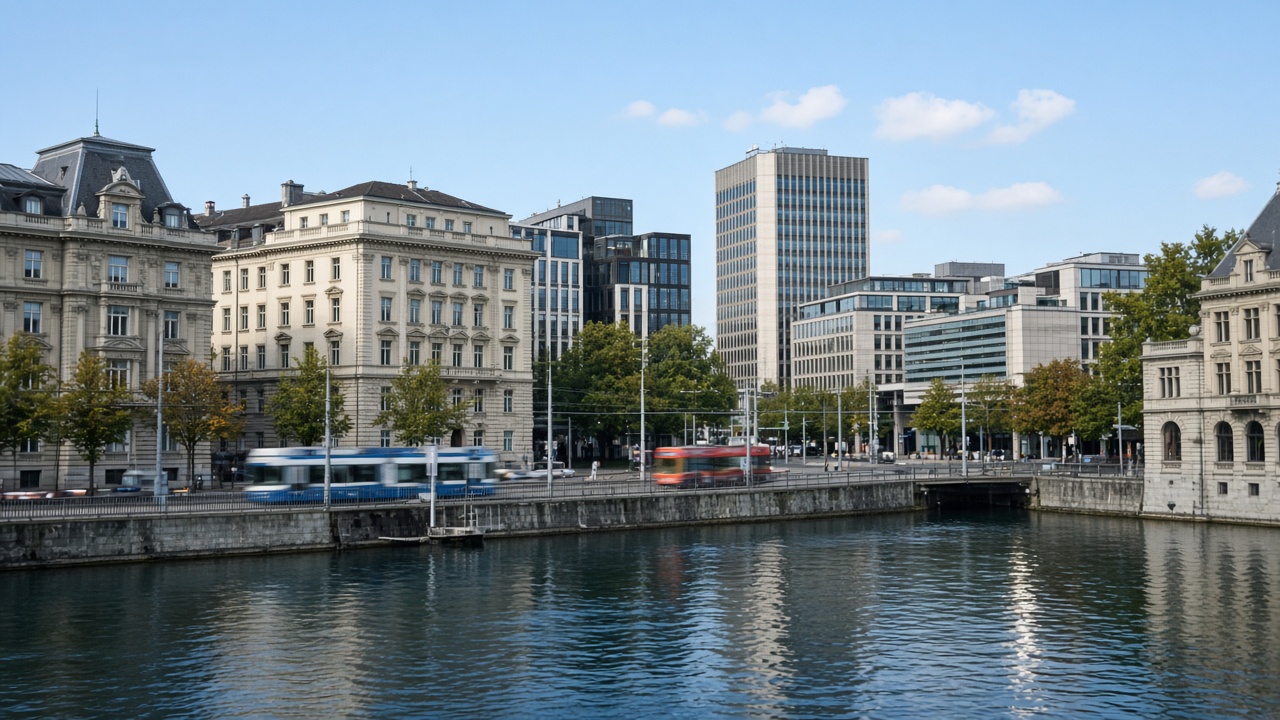
The SNB held at zero for another quarter, lifted its inflation forecast slightly, and softened the wording on franc intervention.
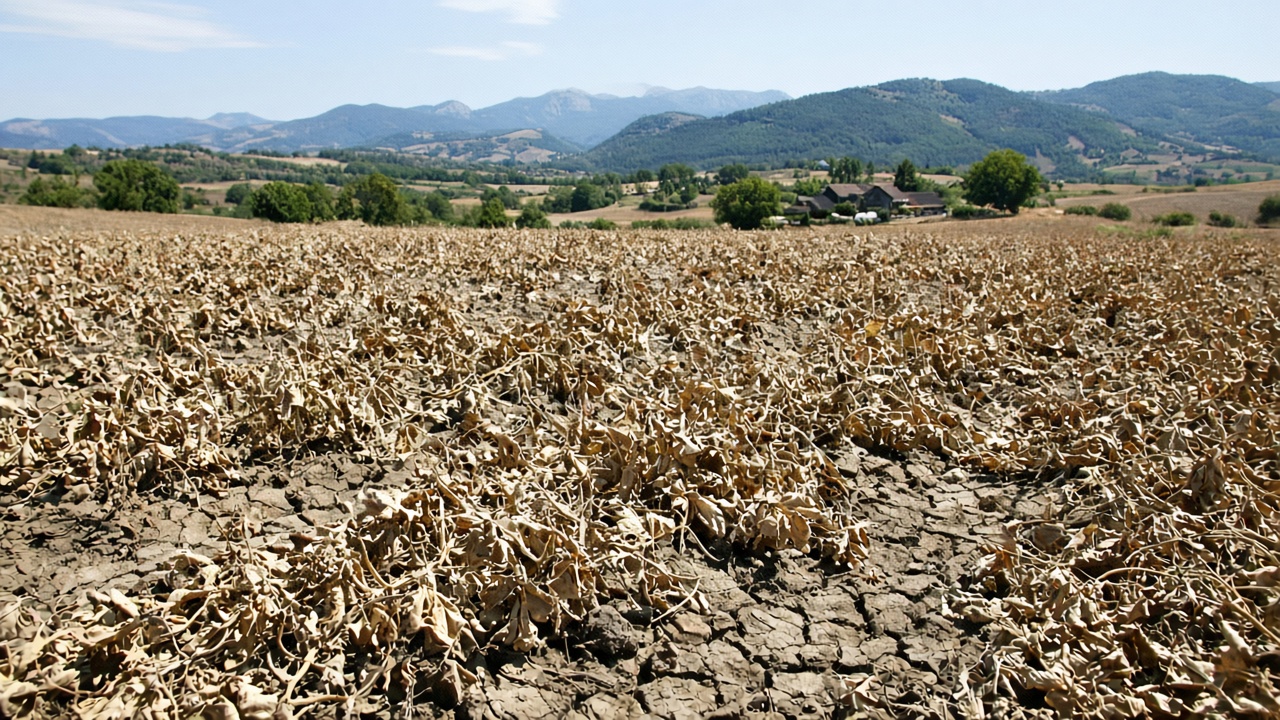
Hagel Schweiz expects CHF 59.2 million in crop losses and about 5,800 claims after the driest, hottest April-to-August stretch since 1901.
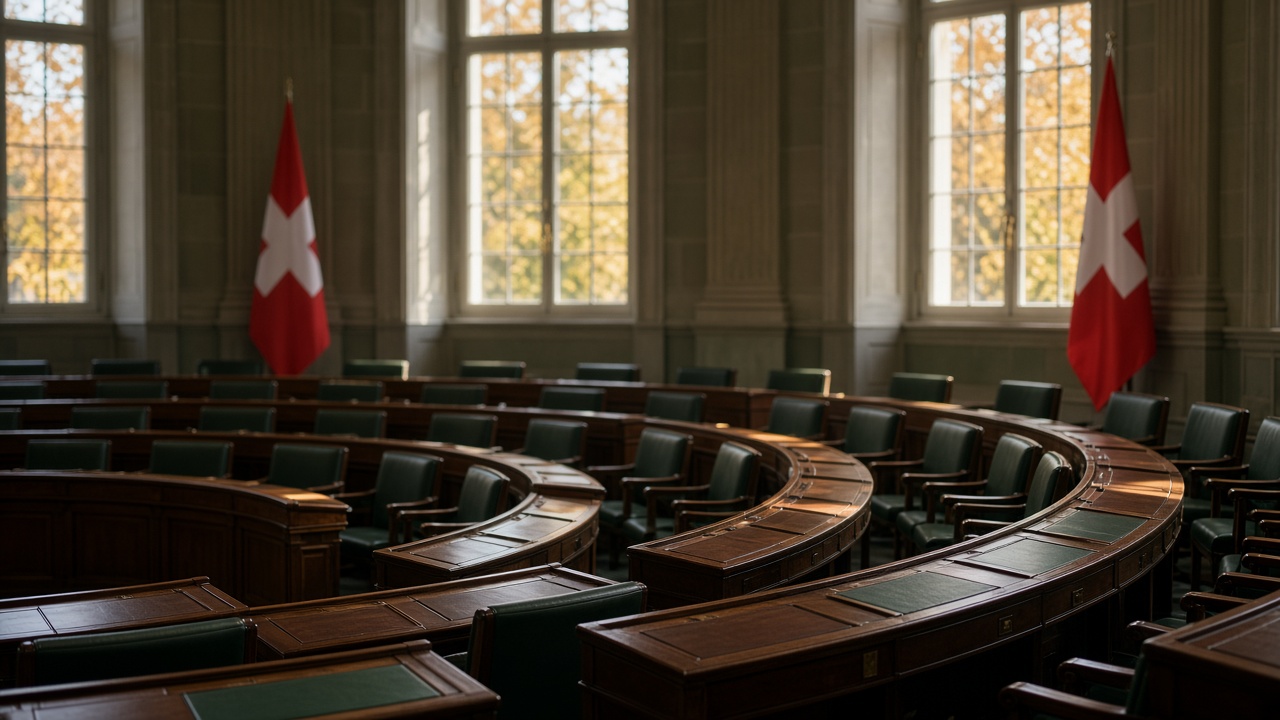
The Council of States chose 90 percent CET1 backing for UBS foreign units, stricter than the committee plan and short of the government's 100 percent.
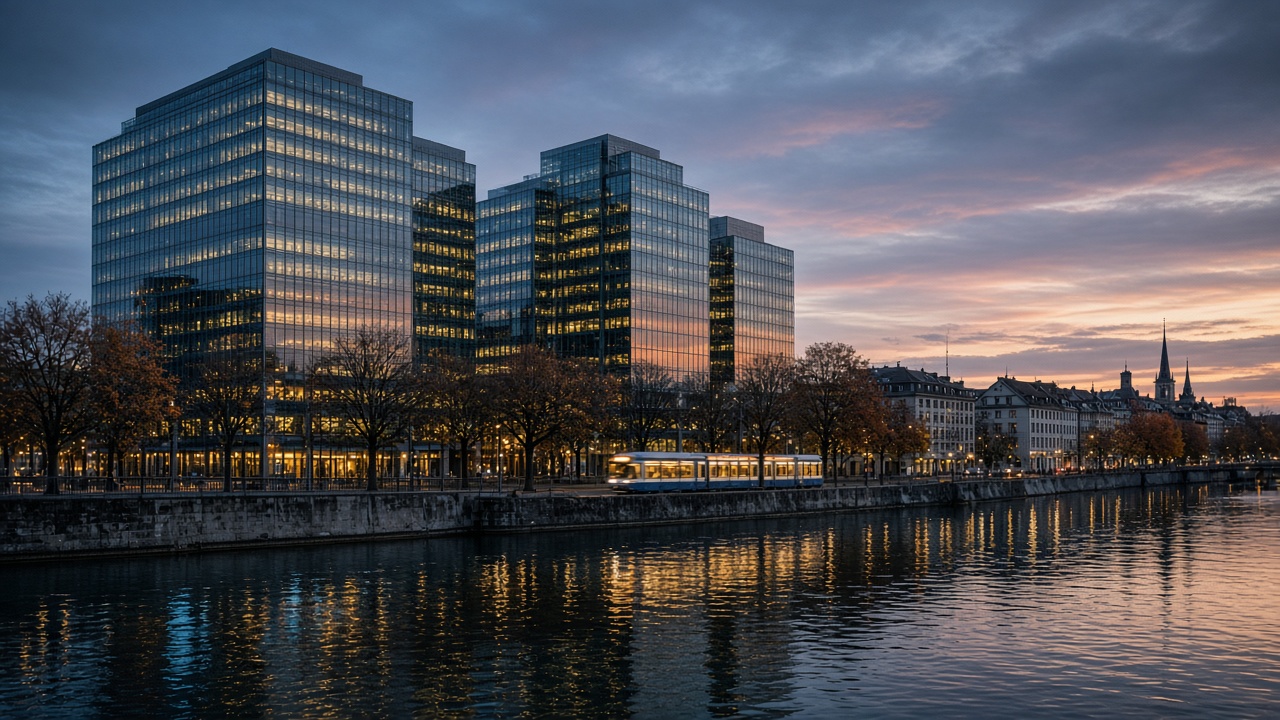
The finance minister and the UBS chief executive restated capital positions that do not meet, a day before the Senate vote.
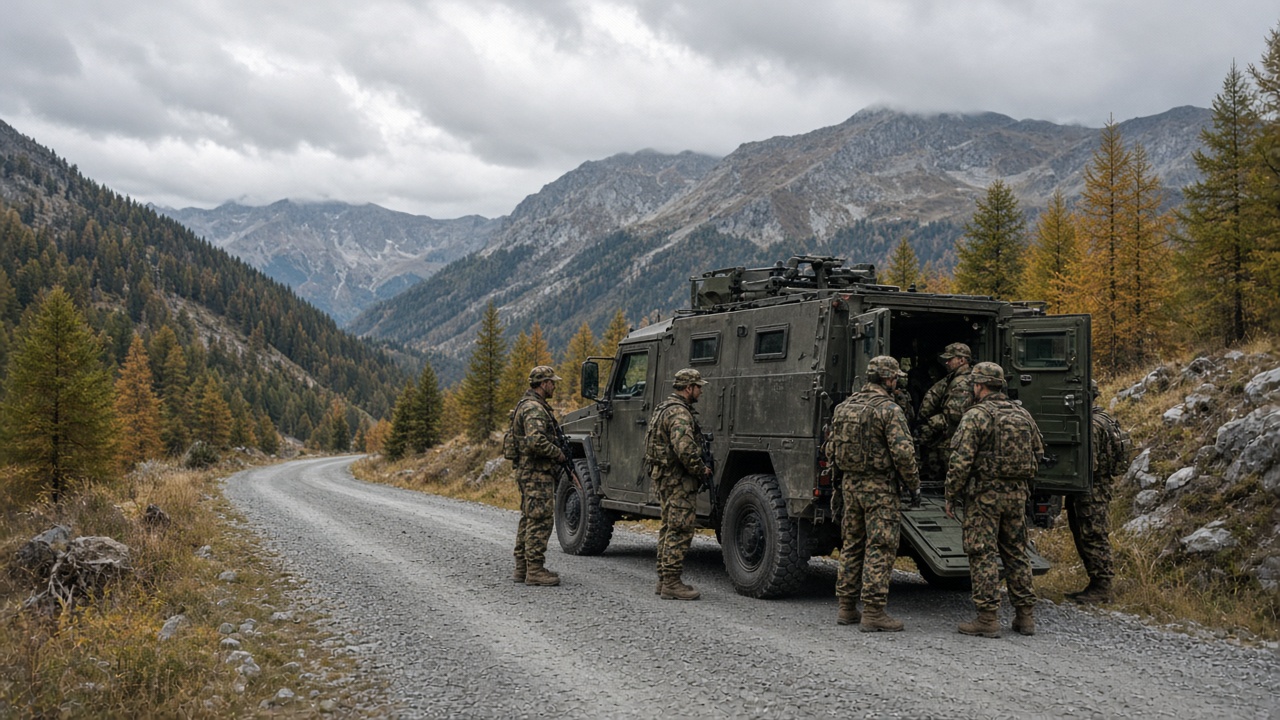
Senators kept a CHF 24 billion defence fund, doubled the loan ceiling to CHF 12 billion, and cut the VAT rise to 0.2 points.

Published polls still show the 27 September neutrality initiative heading for defeat, with no newer national survey yet.
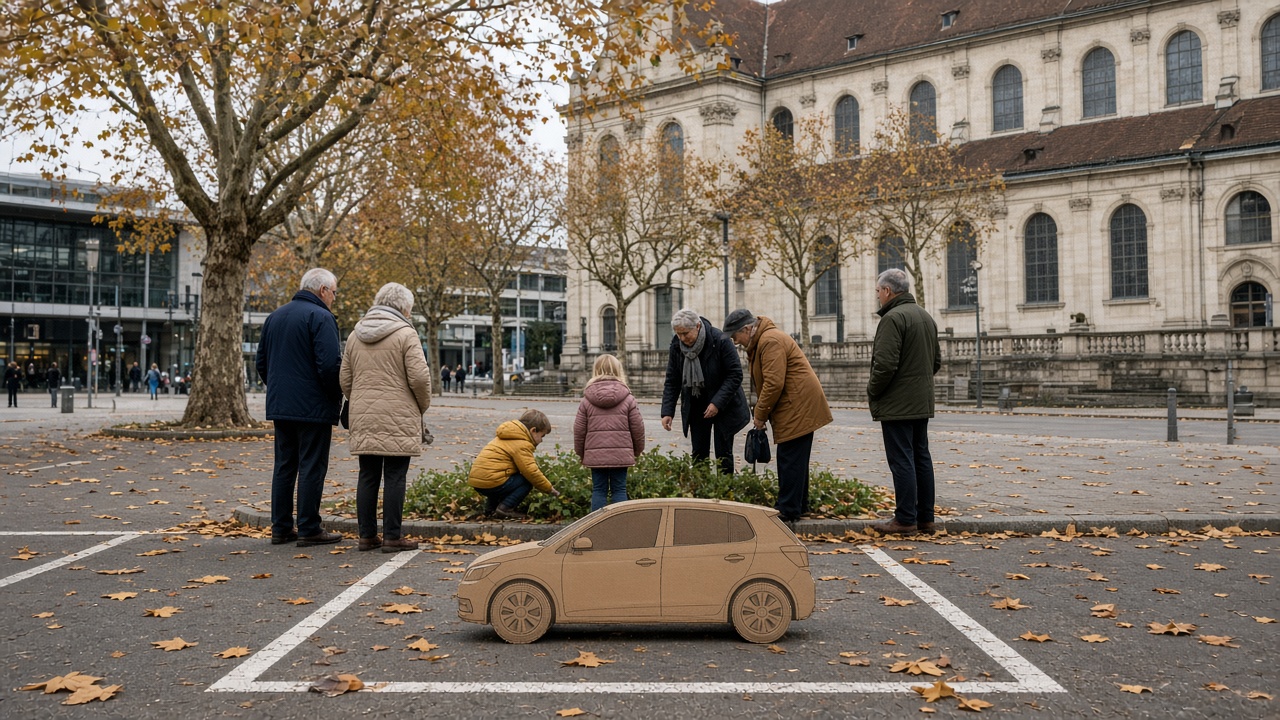
Climate grandparents marked a Bahnhofplatz parking bay and asked Bern to see 15 square metres as public space.
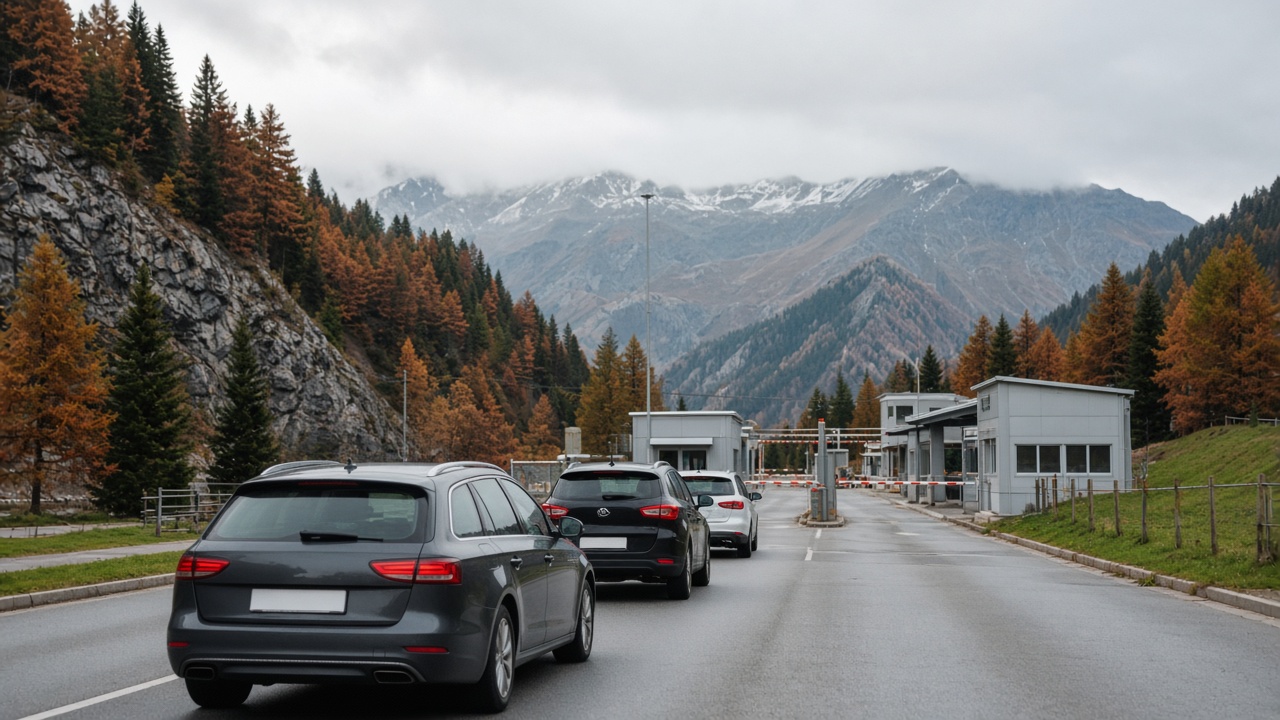
Ministers asked parliament to recommend a no vote on systematic border checks and a 5,000 asylum cap, with no counter-proposal.
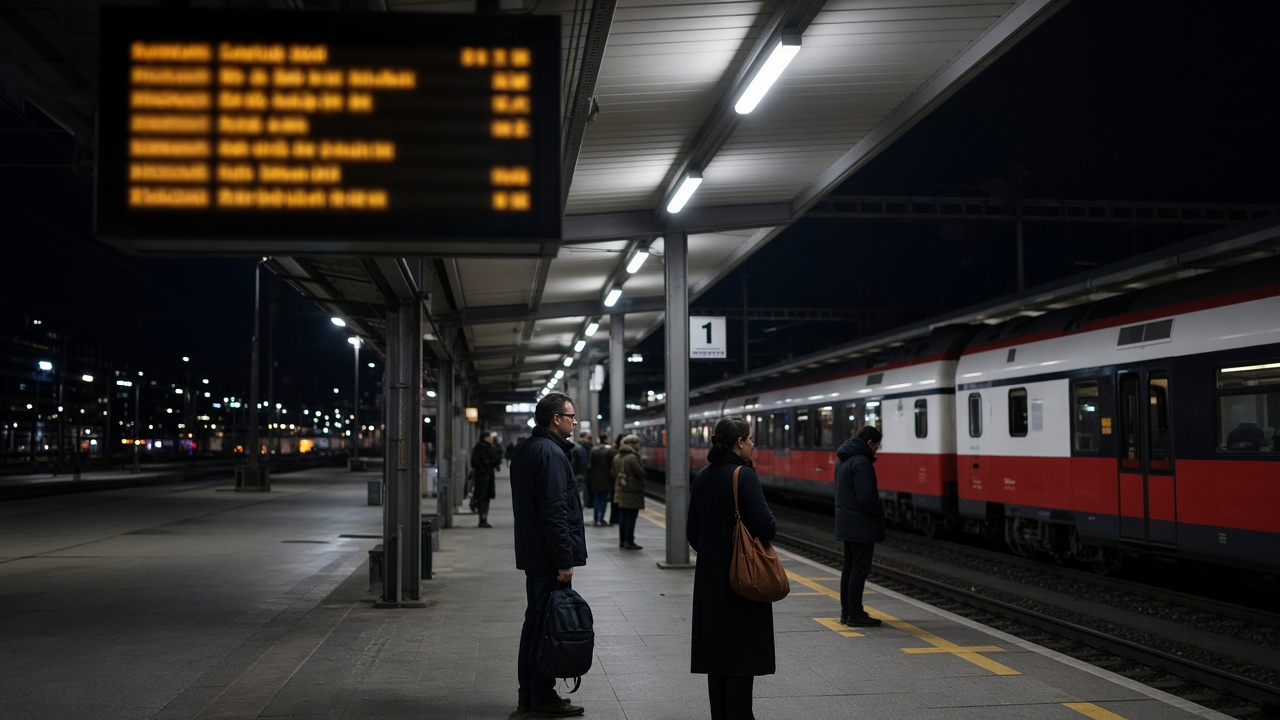
An electrical fault stopped Lausanne, Geneva and Yverdon trains for hours on Thursday night. Services were back by morning.
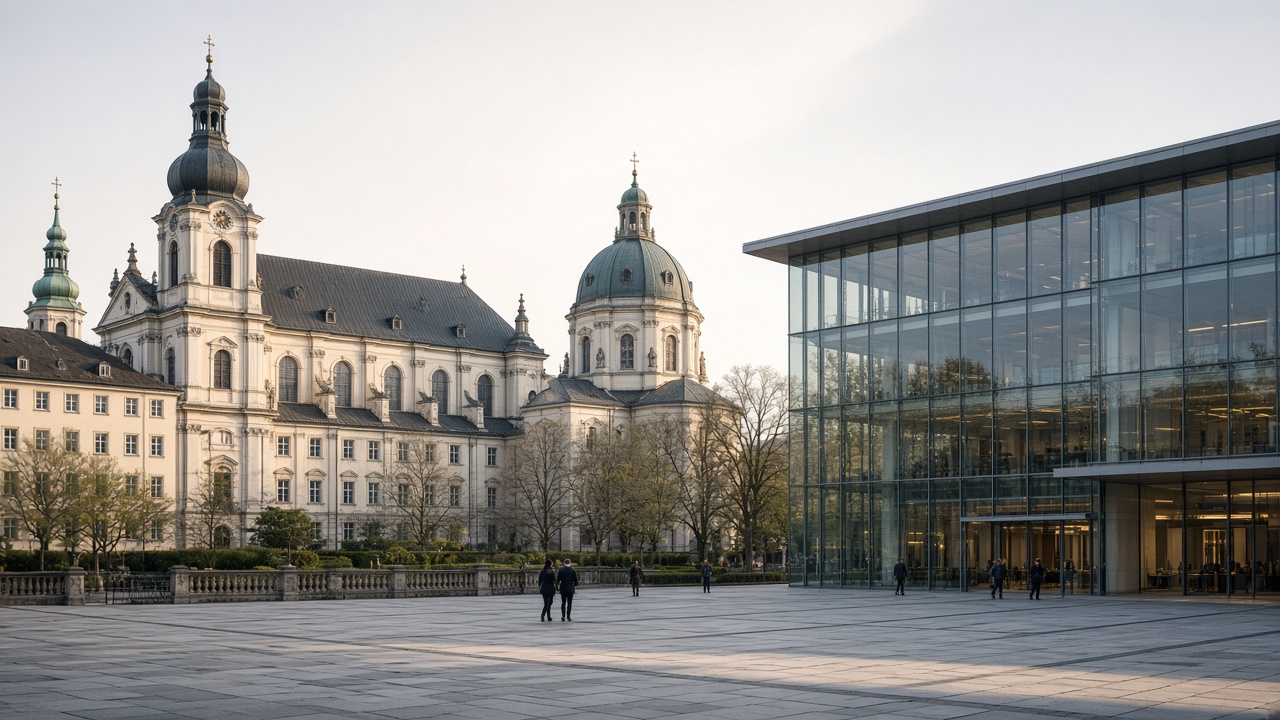
Colm Kelleher said UBS may have to rethink Switzerland if it cannot compete. The Senate delayed the capital vote to 23 September.
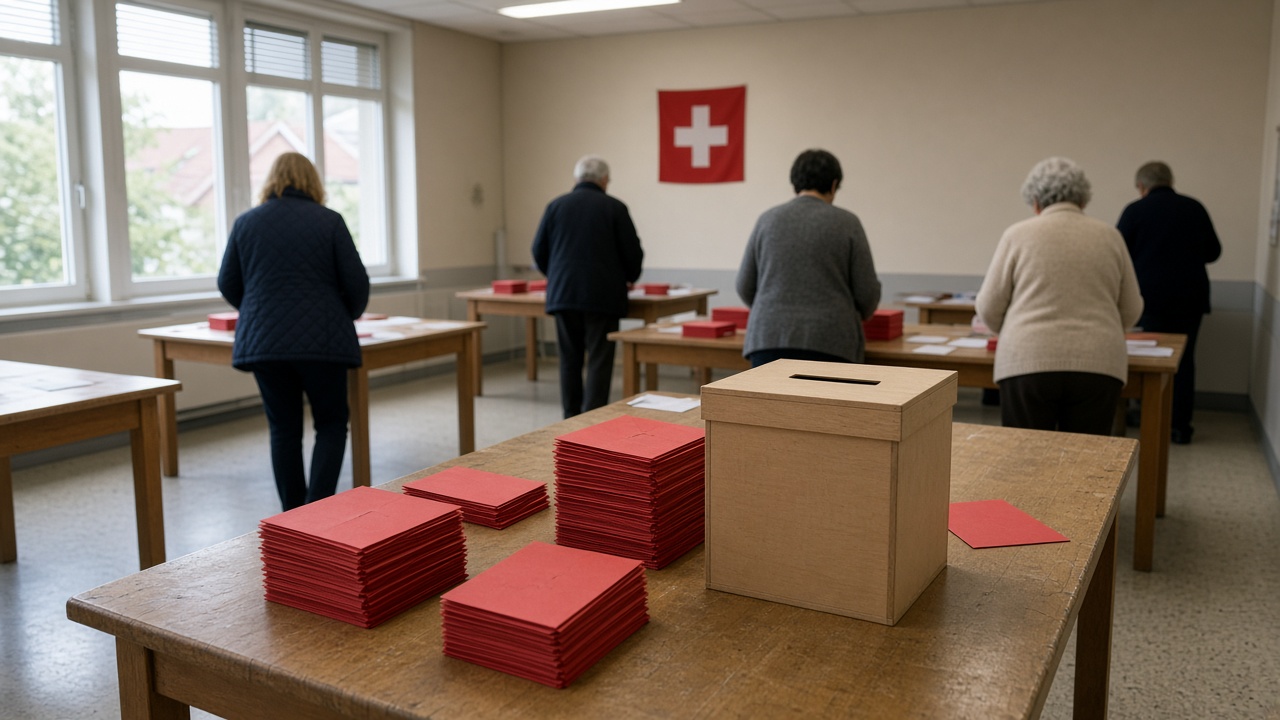
The floor has an agenda. The coffee machine has a later one, and this morning it was a survey.
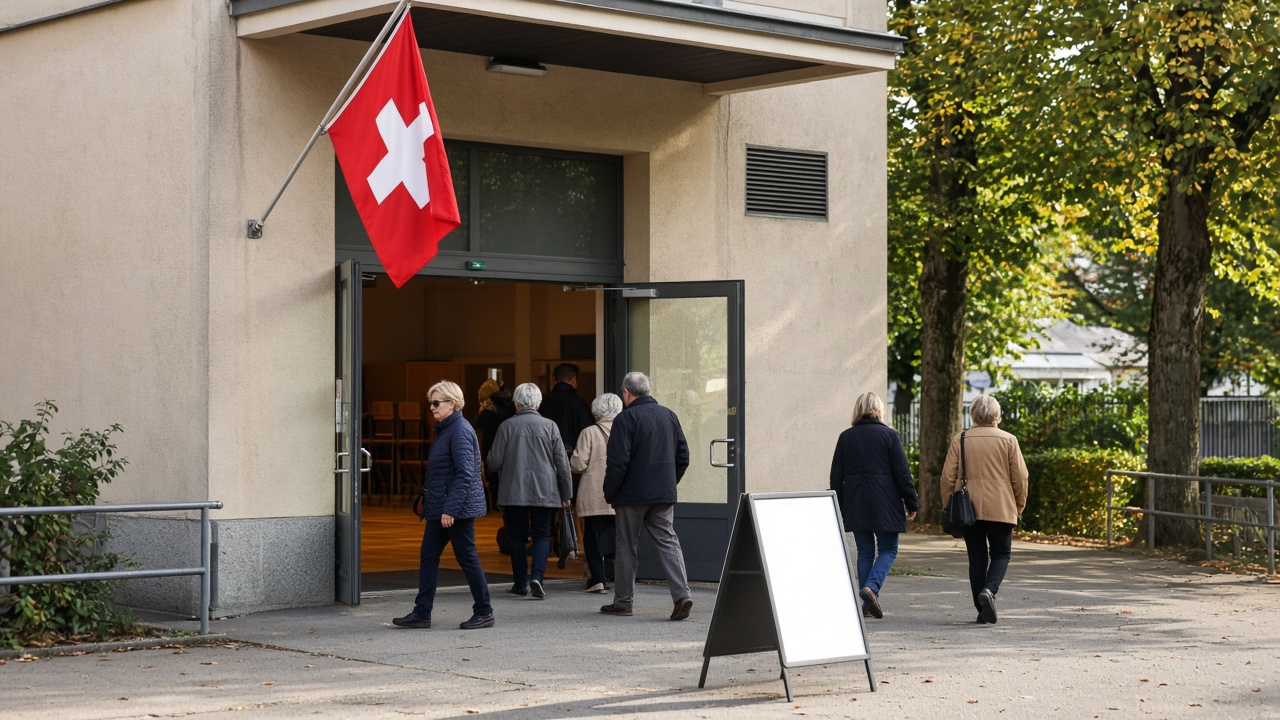
Two surveys published Wednesday put the neutrality initiative well behind with ten days left before the 27 September ballot.
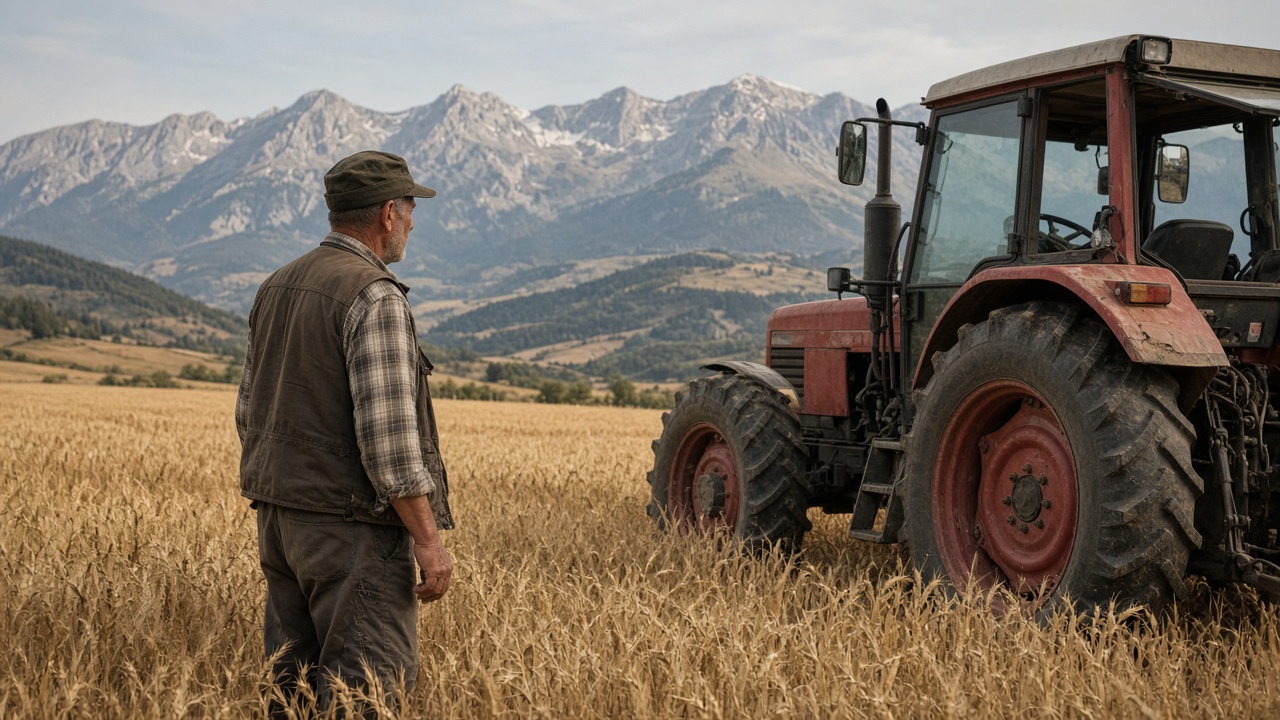
The Senate offered a package. The unions offered the same no, with an invoice attached.
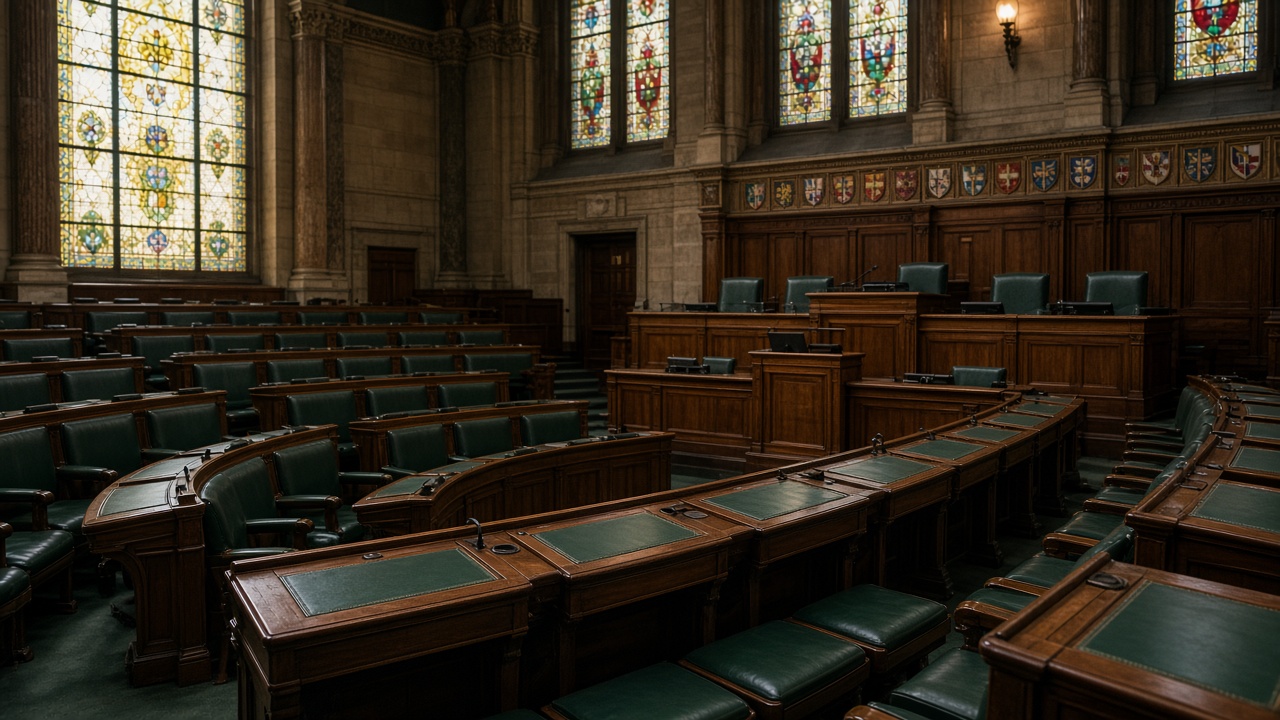
Senators voted 35 to 7 to revive a South American trade pact the National Council rejected in June, pairing it with new money for farmers.
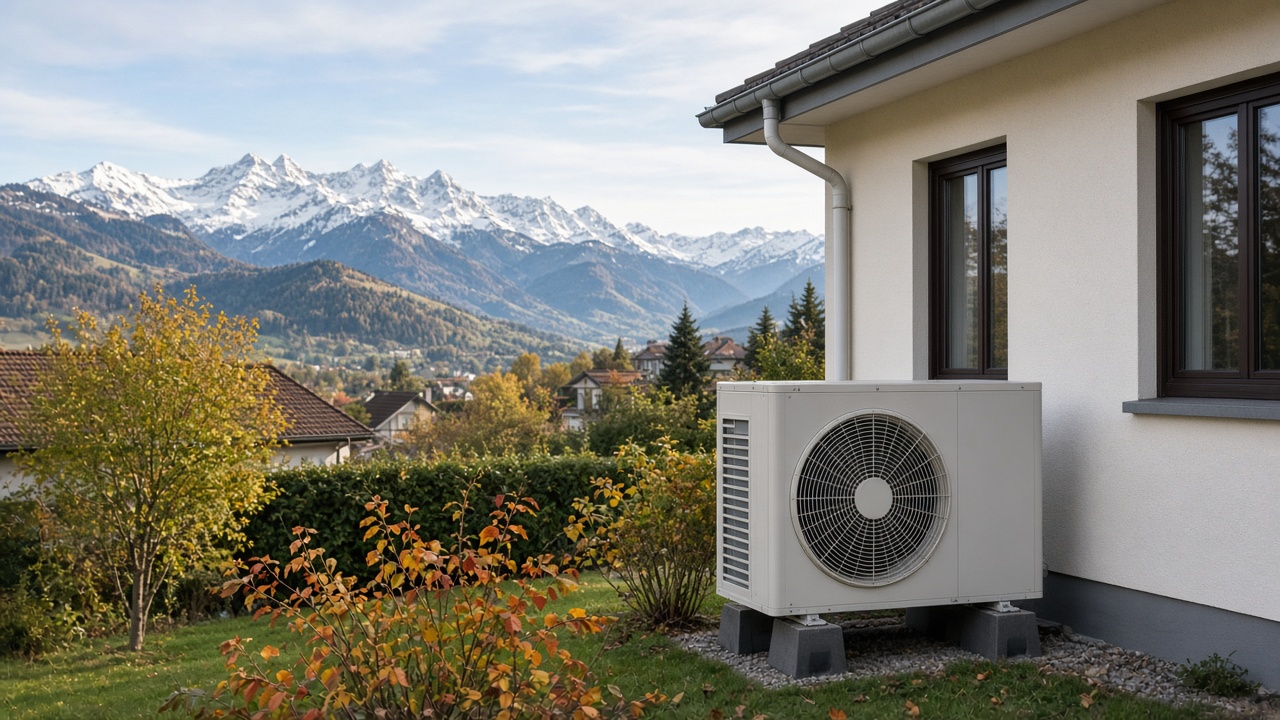
New building figures show heat pumps racing ahead in new homes while oil still heats a third of the existing stock.
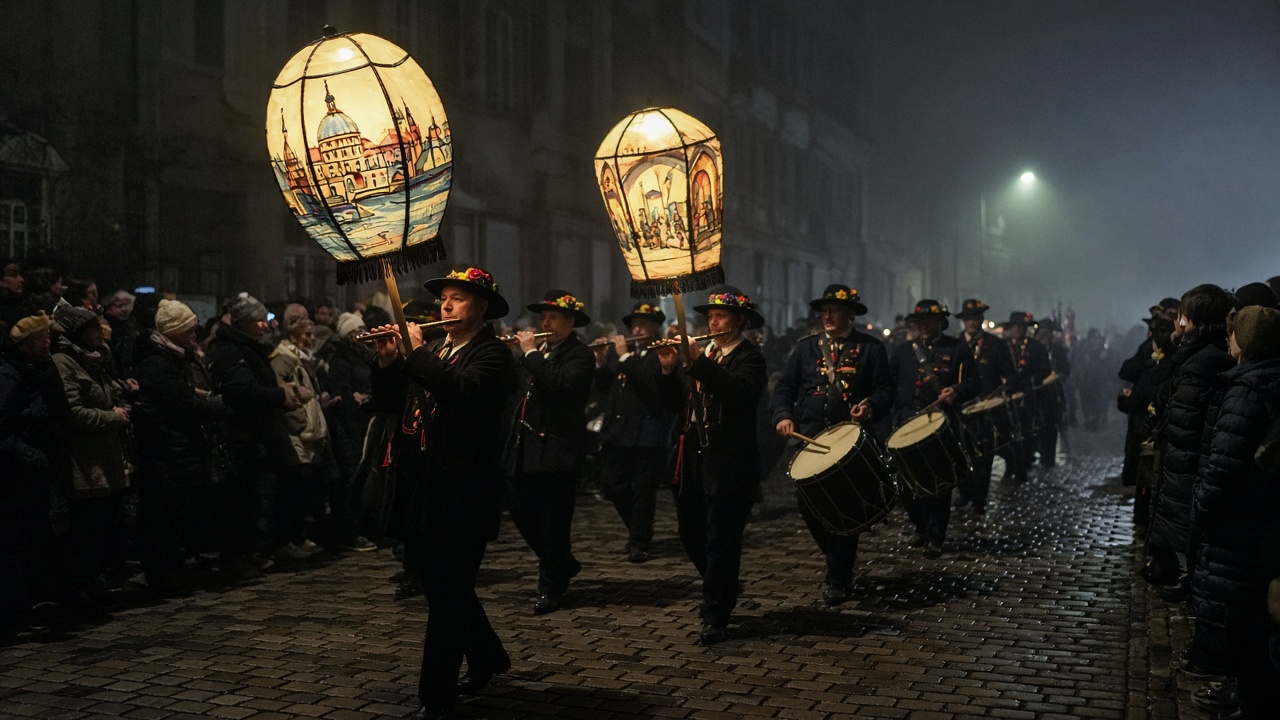
Sunday was the funfair. Monday was the rifle, and a thinner tram toward Wollishofen.
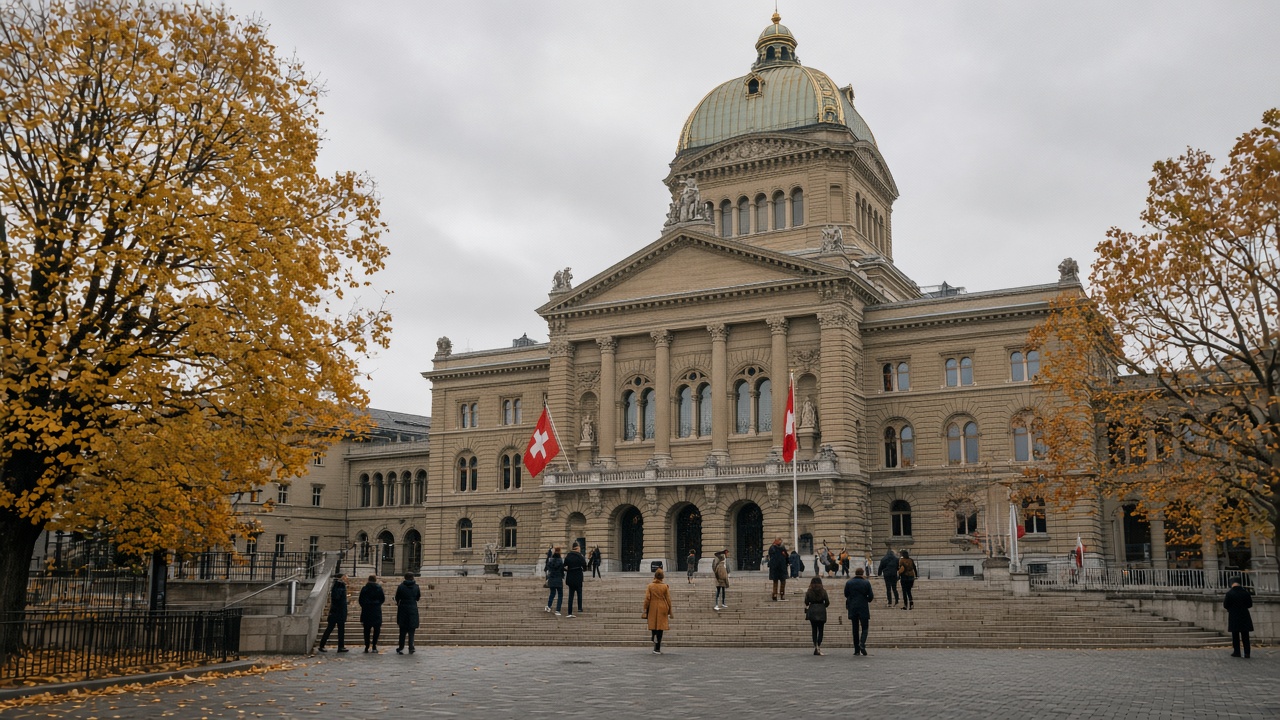
Lawmakers returned to the Bundeshaus on Monday for a three-week sitting that will test the bilateral path with Brussels and the cost of rearmament.
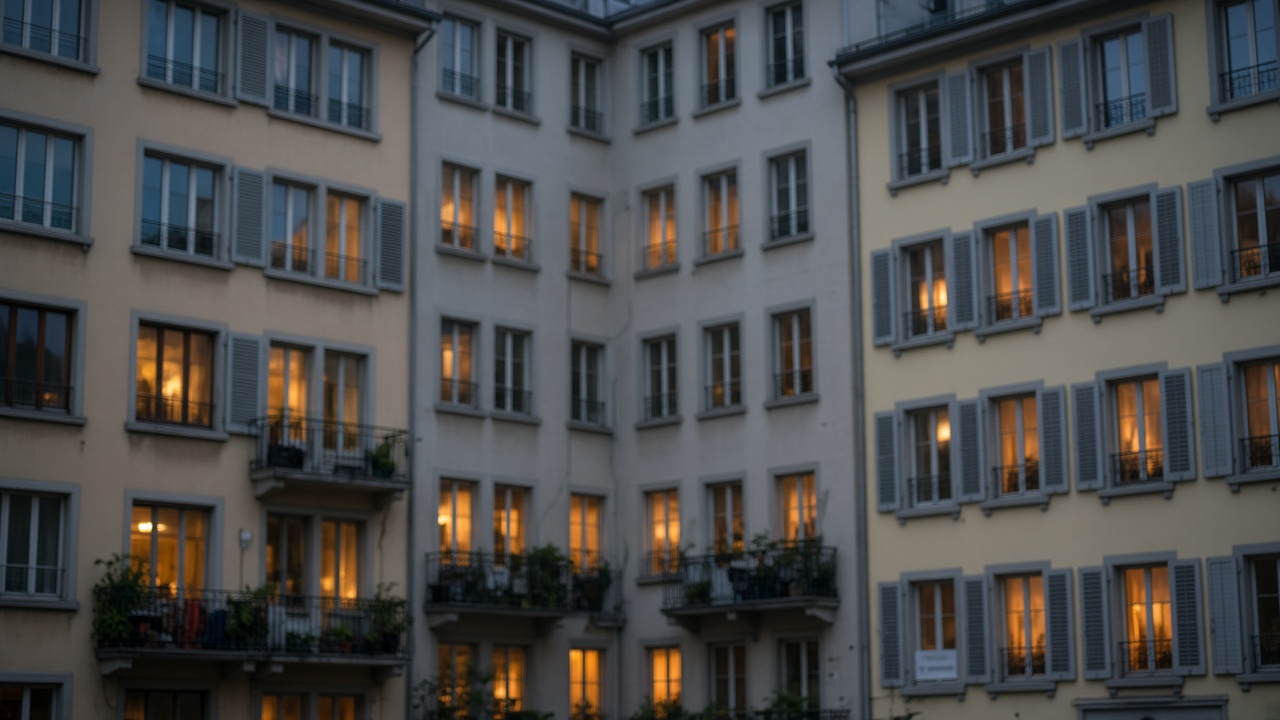
Official figures now put Switzerland under the one percent vacancy line that analysts treat as a shortage.
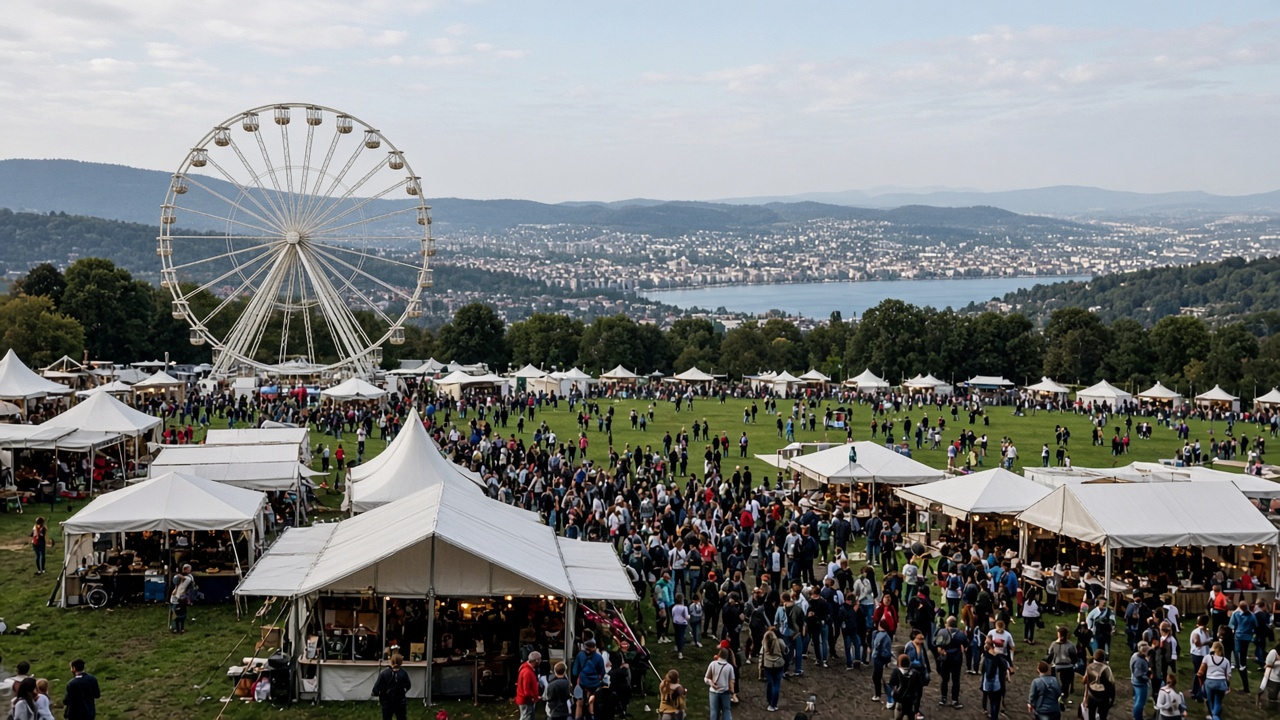
Carnival rides, sausage stalls and a rifle range older than the federal state filled the meadow above Wollishofen.
A proposal to write higher self-sufficiency into policy is losing ground, including in some rural districts that usually back farm causes.
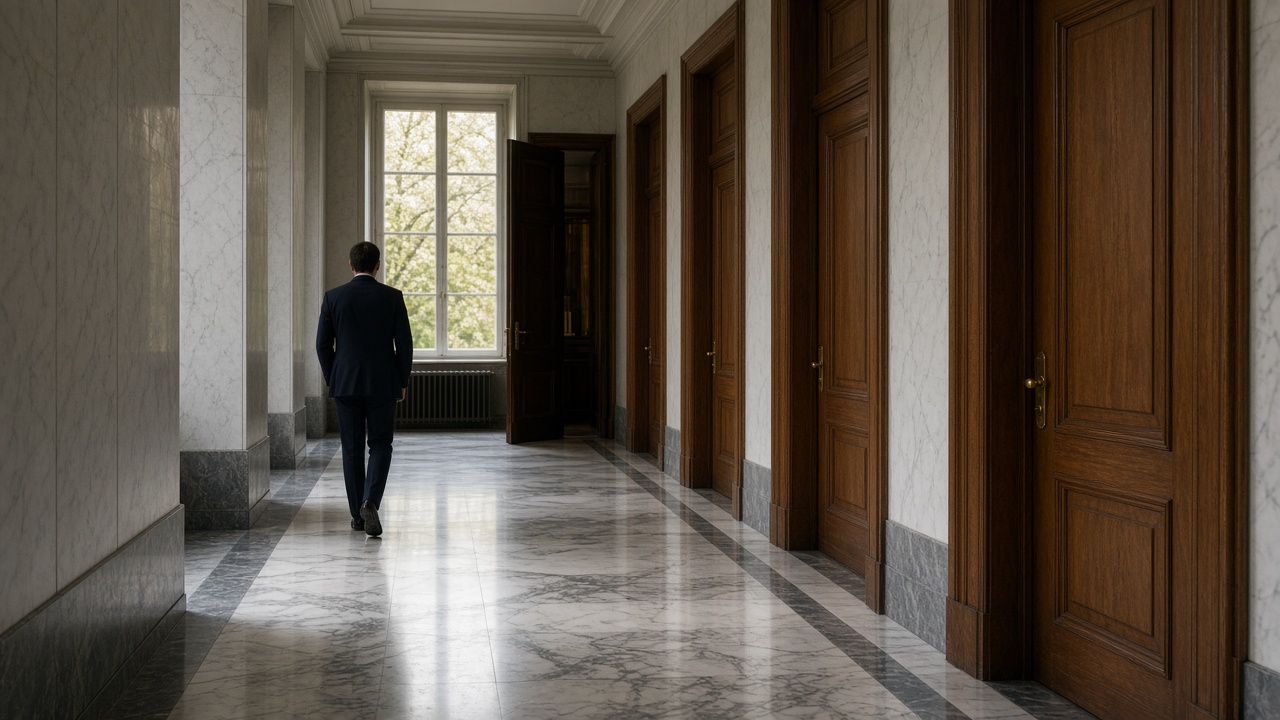
The package is one vote in the diary and three arguments in any corridor that still has a coffee machine.
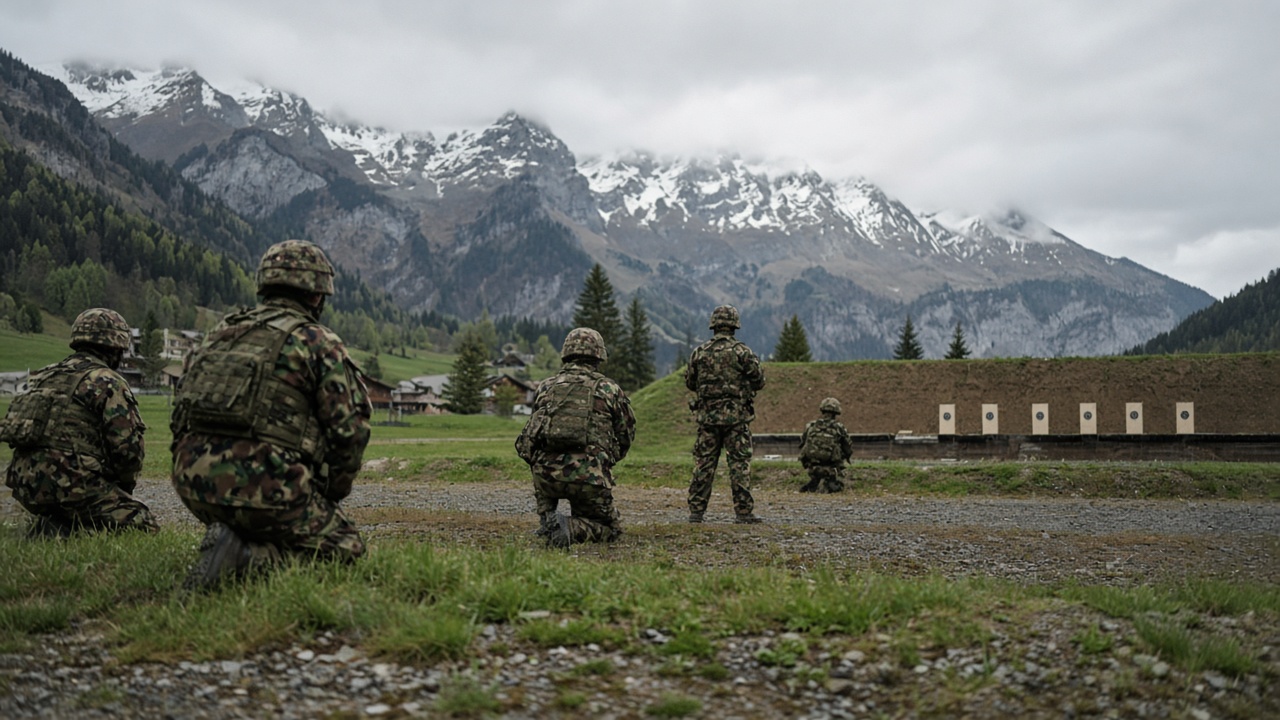
Rearmament meets the debt brake next week, when the large chamber takes up army money that supporters call overdue and critics call a blank cheque.
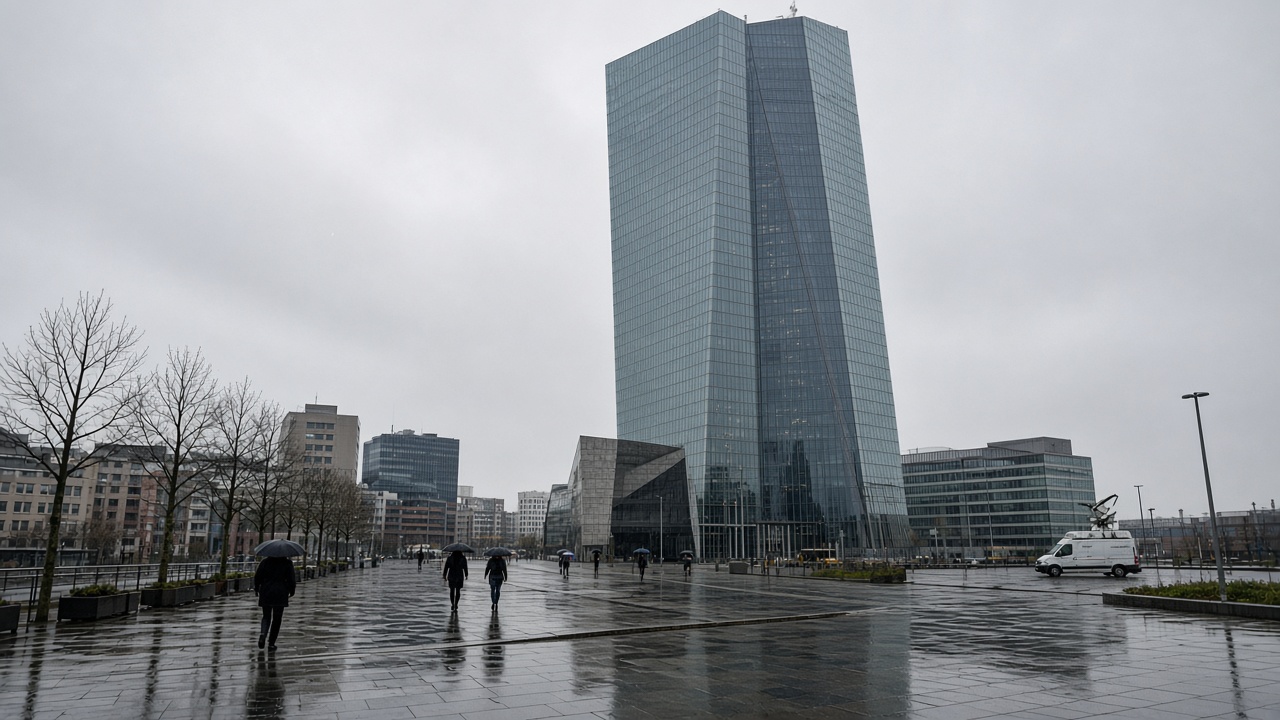
Frankfurt's patience left the franc where Swiss manufacturers already found it: manageable, not comfortable.
Frankfurt policymakers left the deposit rate unchanged at 2.75 percent, citing stable price growth across the eurozone.
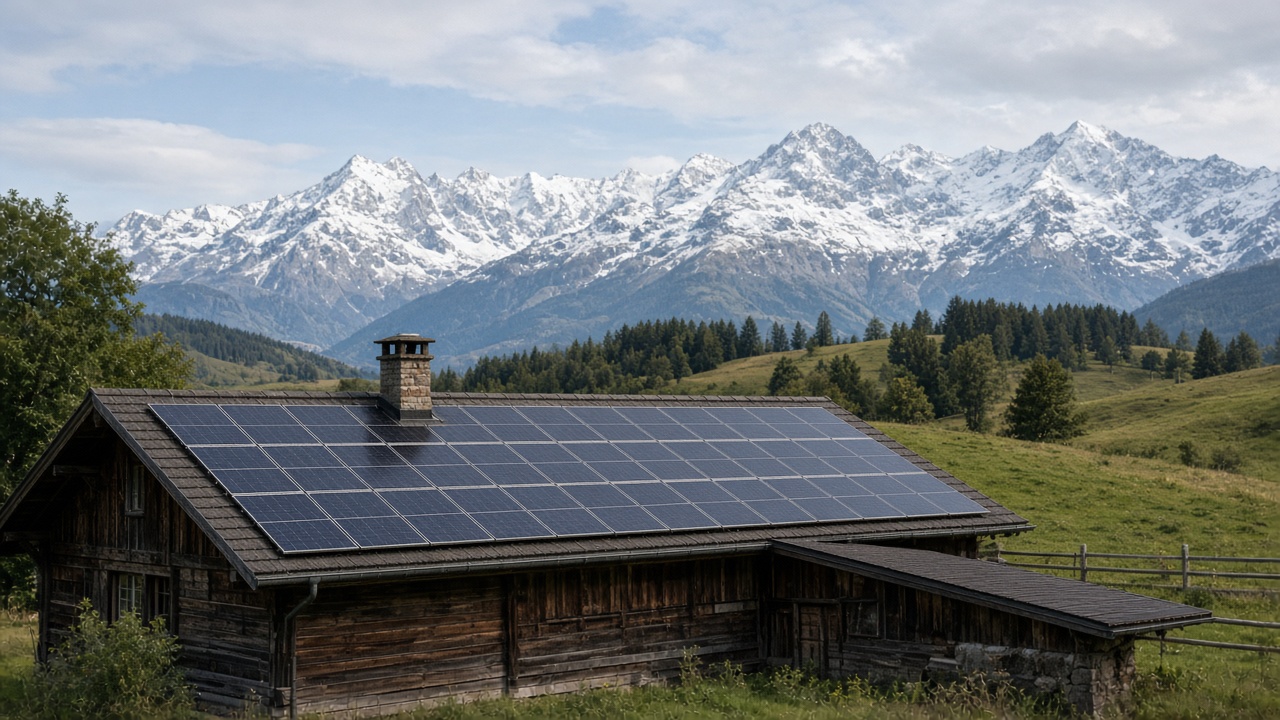
The revised framework links national emission cuts to cantonal grants, setting up a tense debate when parliament returns to Bern.
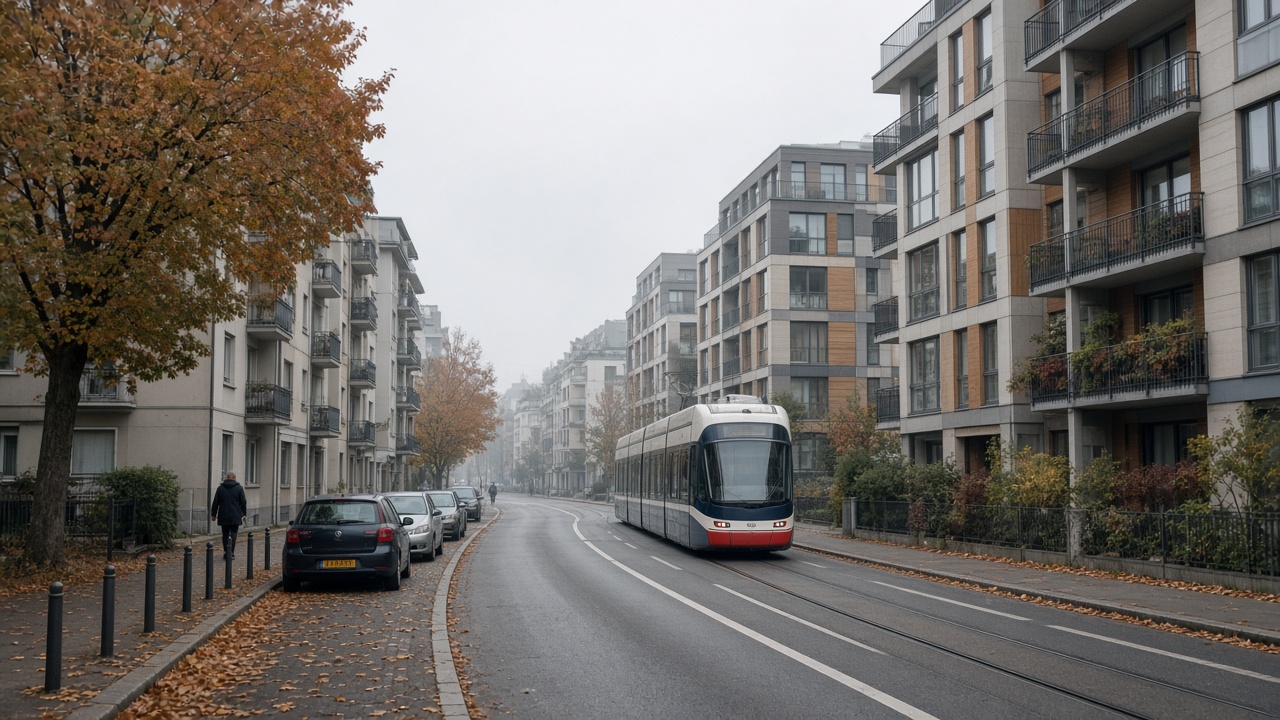
Planners estimate 12,000 new apartments by 2030, but tenant advocates say the measure alone will not cool rents in districts 1 through 4.
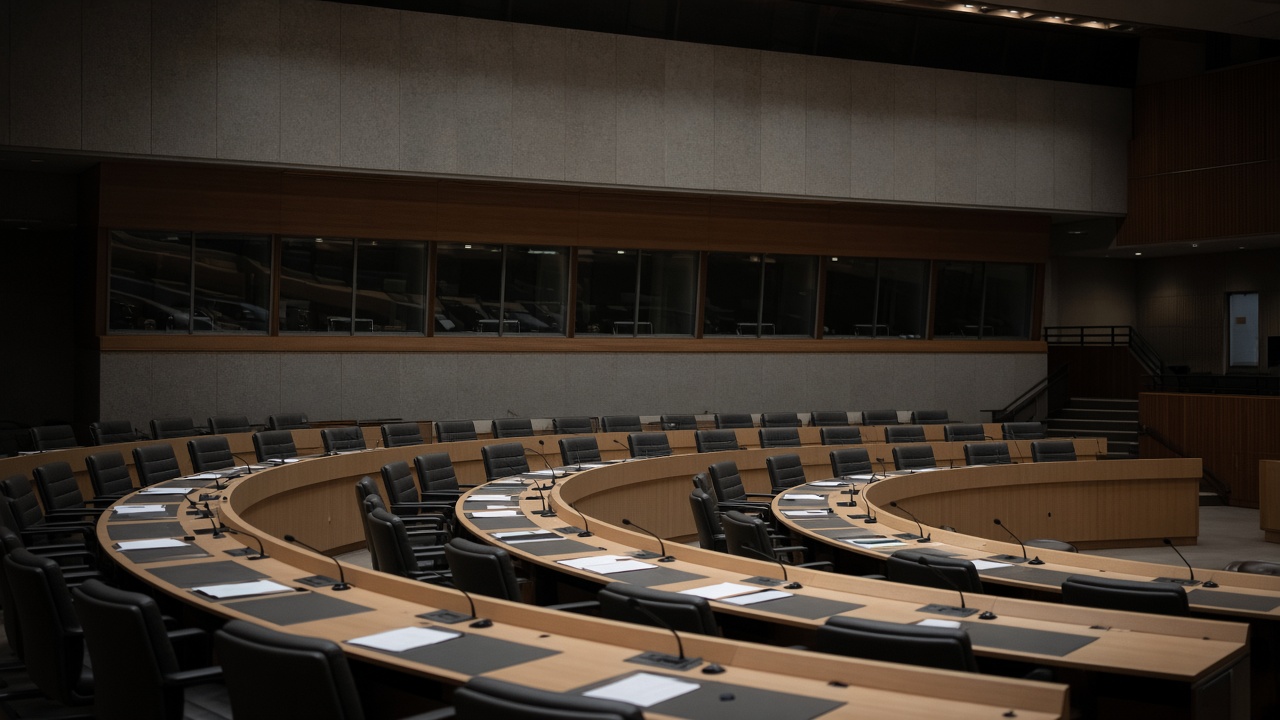
Representatives from 140 countries opened negotiations at the Palais des Nations, seeking rules for disbursing aid to climate-vulnerable regions.
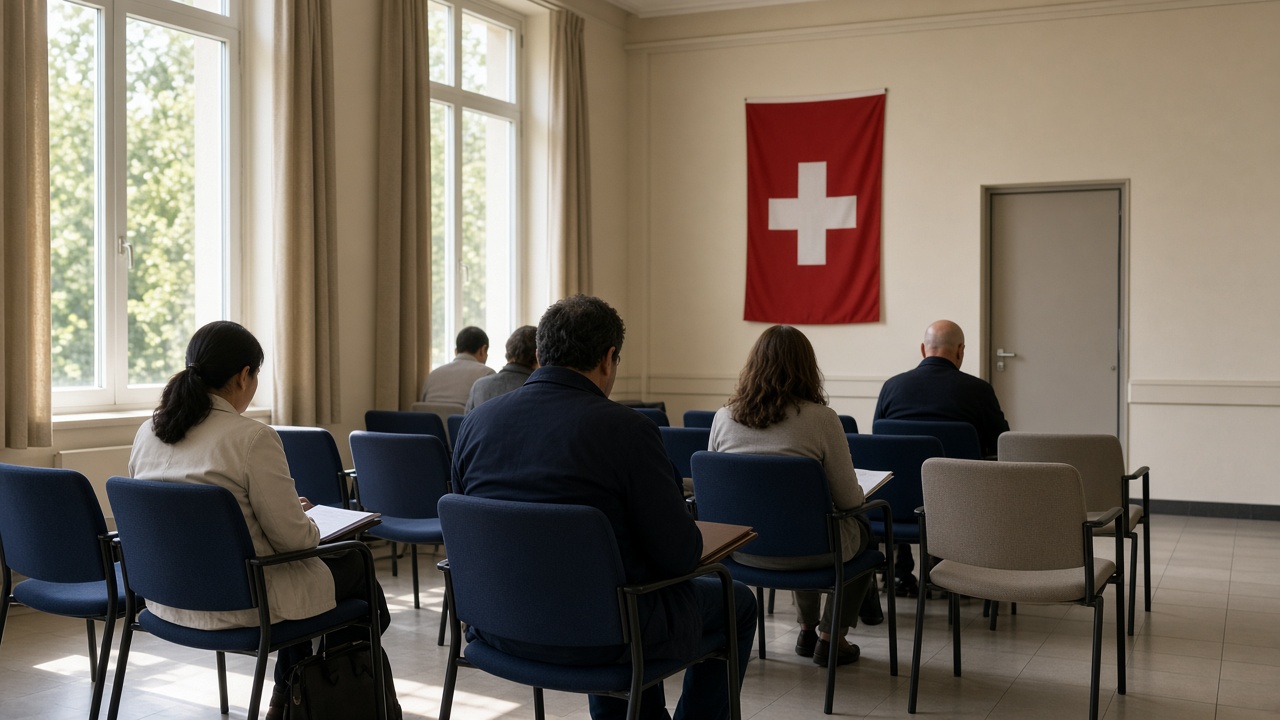
Before the first gavel in the Bundeshaus, consular groups asked deputies not to treat overseas voters as an afterthought.
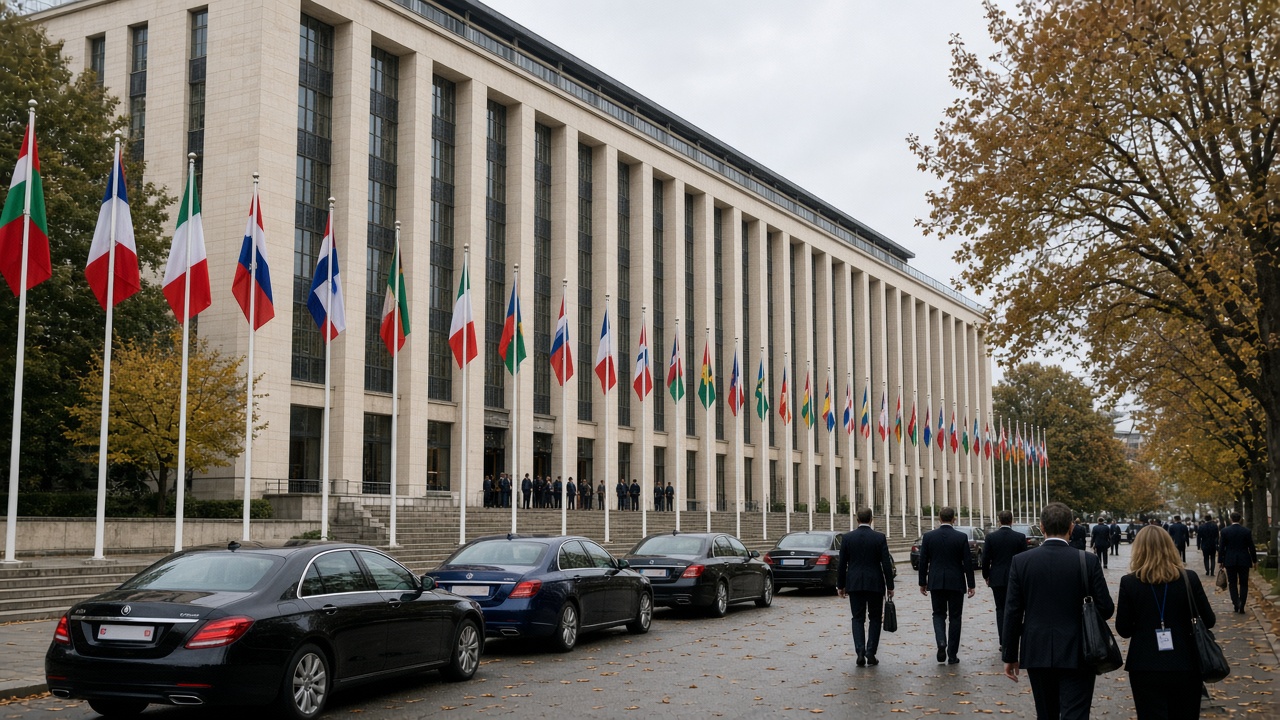
The city is doing what it does in September: absorbing a second population of badges, interpreters and night meetings.
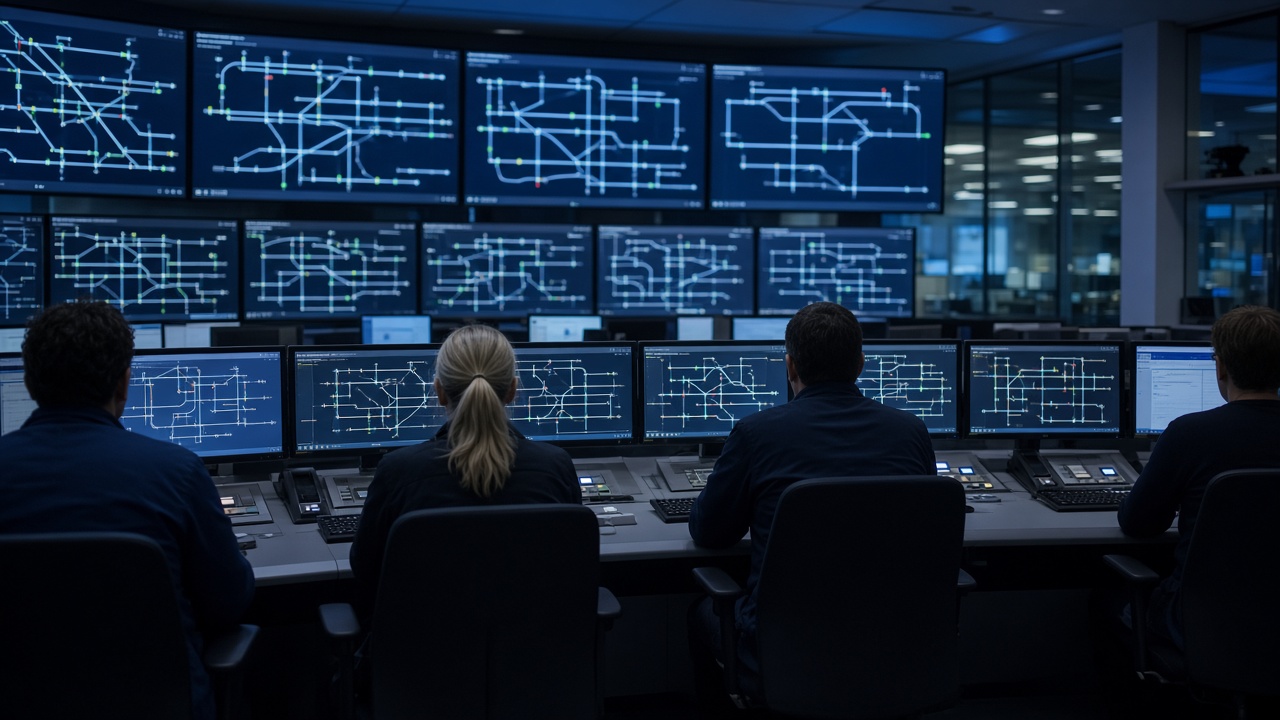
The old control software will not retire on a slogan. SBB is paying to keep it safe while the next platform is designed.
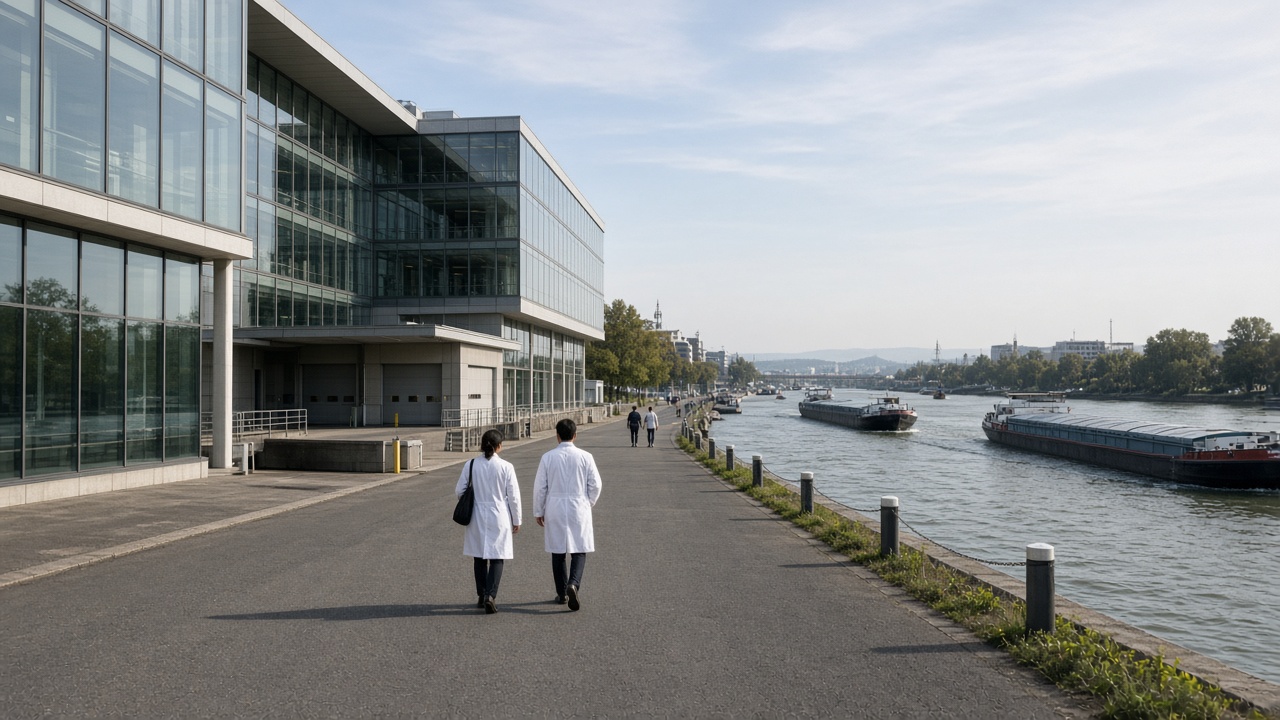
Along the Rhine the dominant employers still talk in product cycles, not in parliamentary committee minutes.
A campaign bus is a village hall that can still find a parking space.
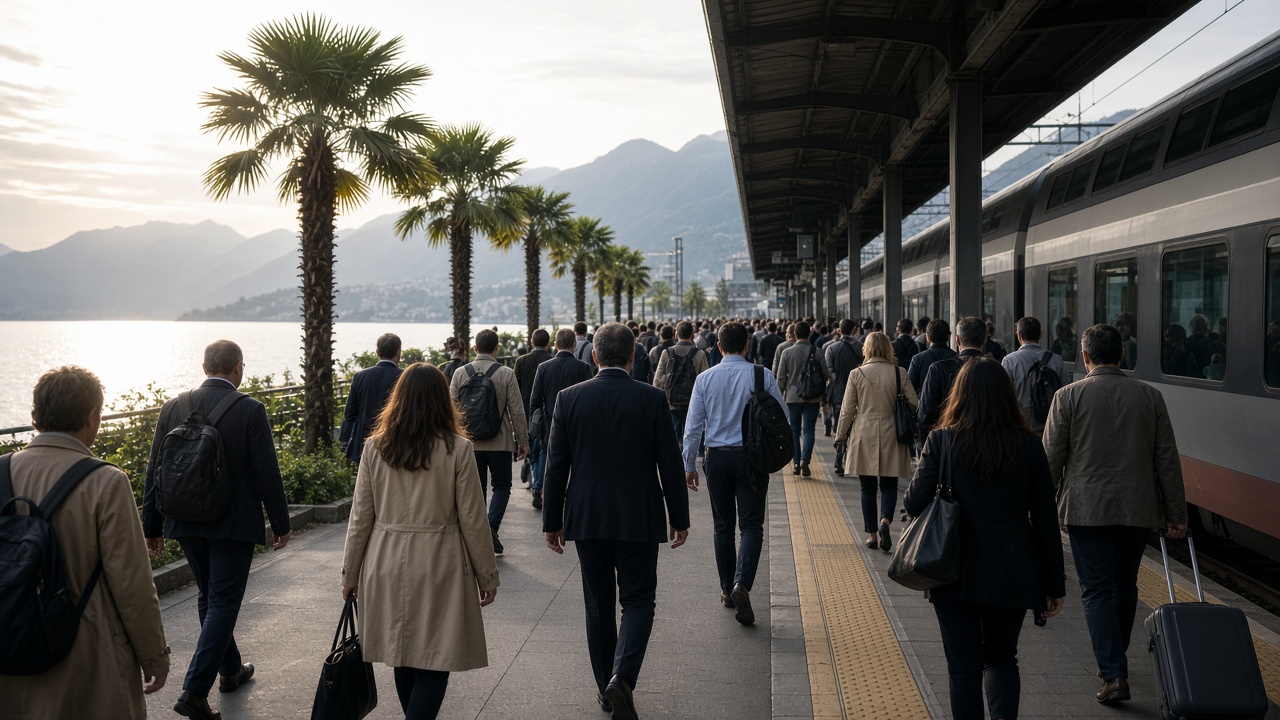
In Lugano the morning crowd on the platform still speaks more Italian than Swiss German, and the arguments have not aged out.
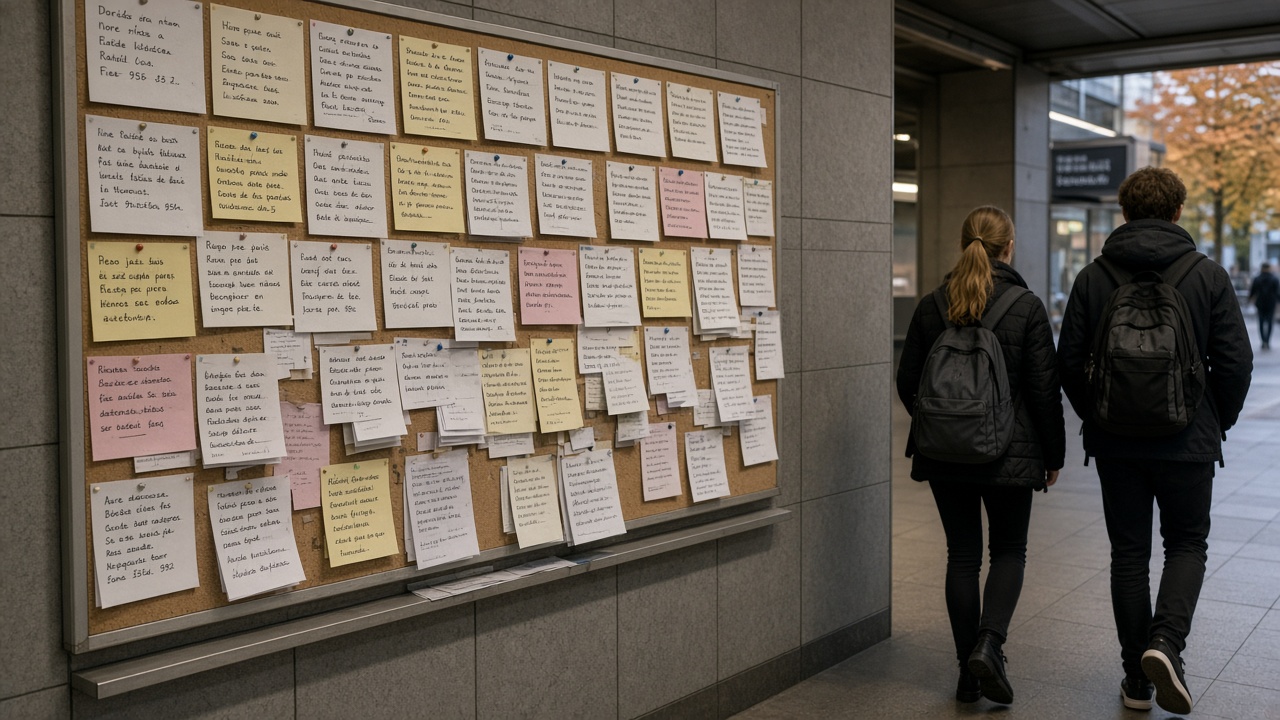
Noticeboards at the metro filled faster than the remaining studios in Renens and the old town.
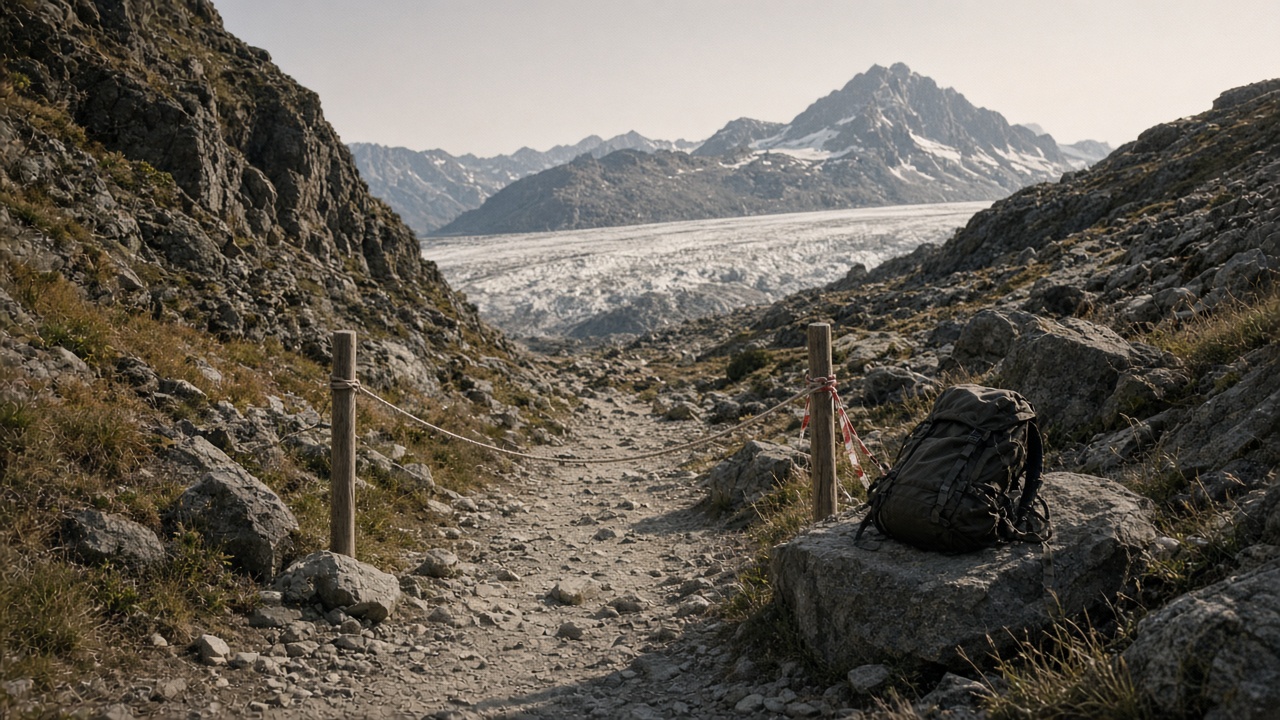
The postcard is still for sale. Some of the paths in the picture are not.
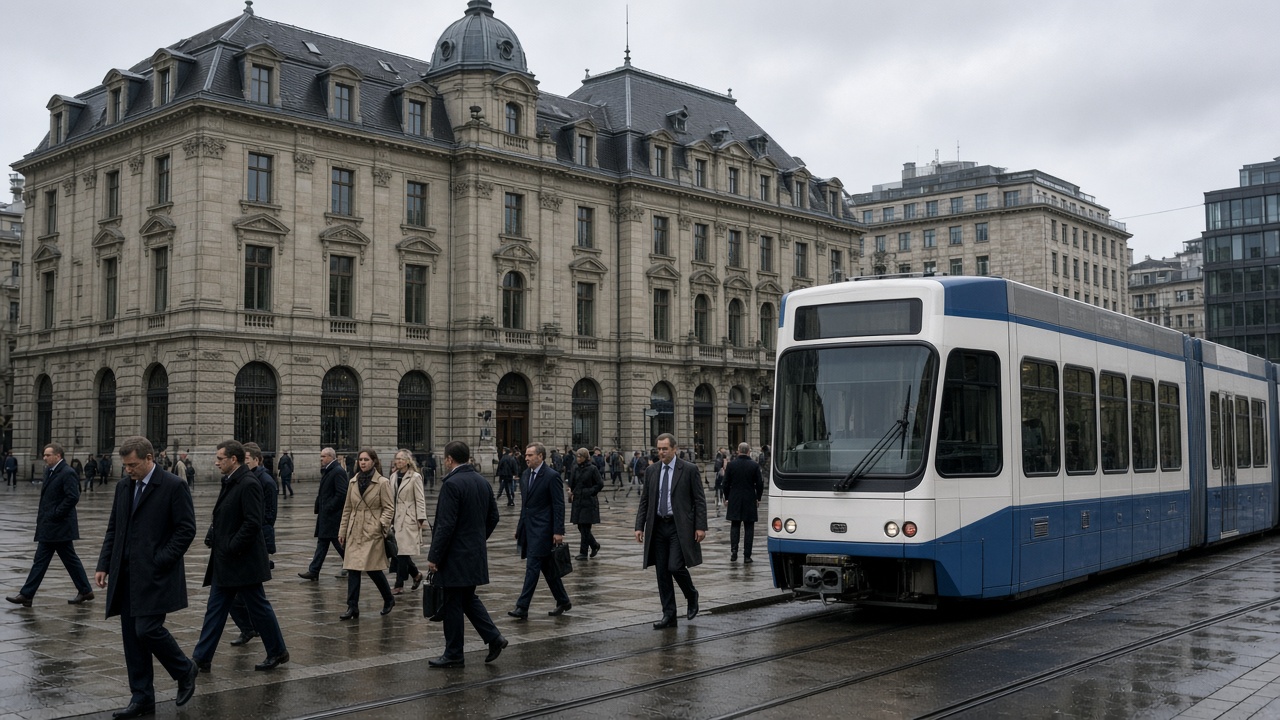
The first political fight of September is about how much equity Switzerland's largest bank must hold after swallowing Credit Suisse.