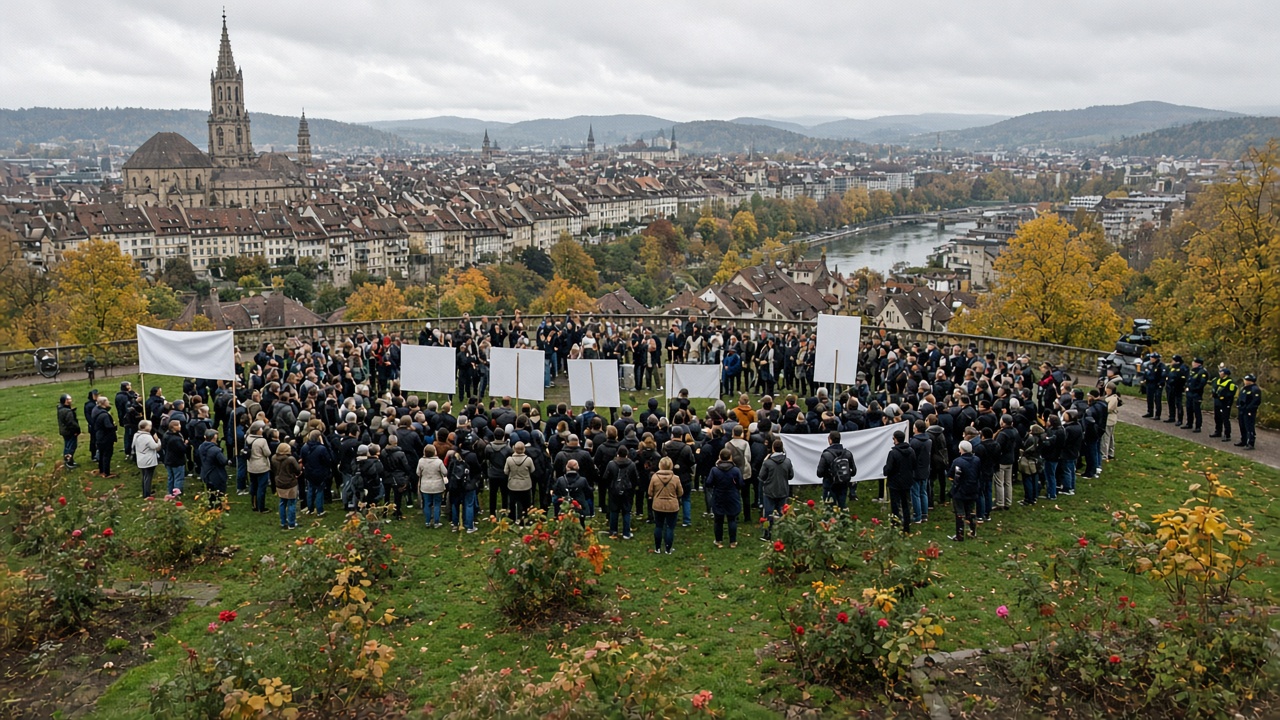
Around 1,000 Join Unauthorised Anti-Capitalism Rally in Bern, One Year After the Riots
Police from several cantons kept the anniversary rally out of the city centre. The route from the Rosengarten to the Reitschule ended without major incidents.

Independent news from Switzerland and beyond
Swiss federal, cantonal and regional news from Bern to the cantons.
Police from several cantons kept the anniversary rally out of the city centre. The route from the Rosengarten to the Reitschule ended without major incidents.
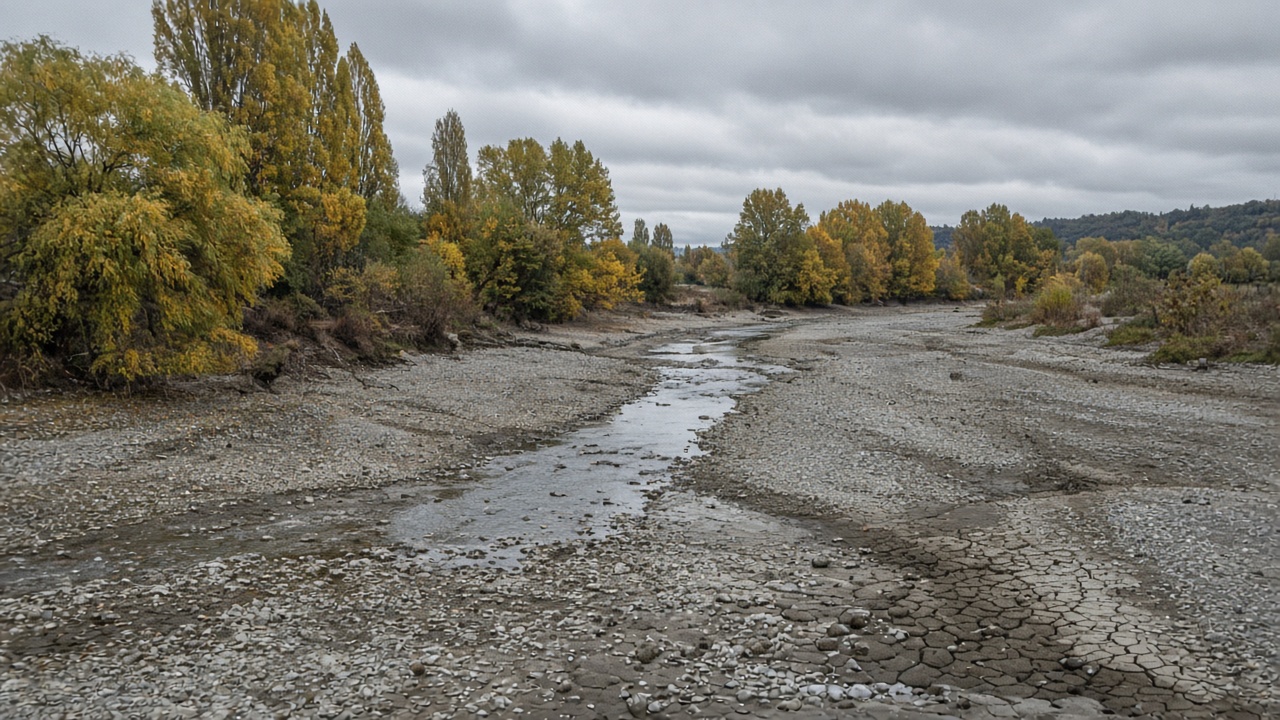
The 20 to 40 millimetres north of the Alps improved the water balance by only 15 to 35 percent. Record lows were measured on the High Rhine, and stage 4 stays in force.
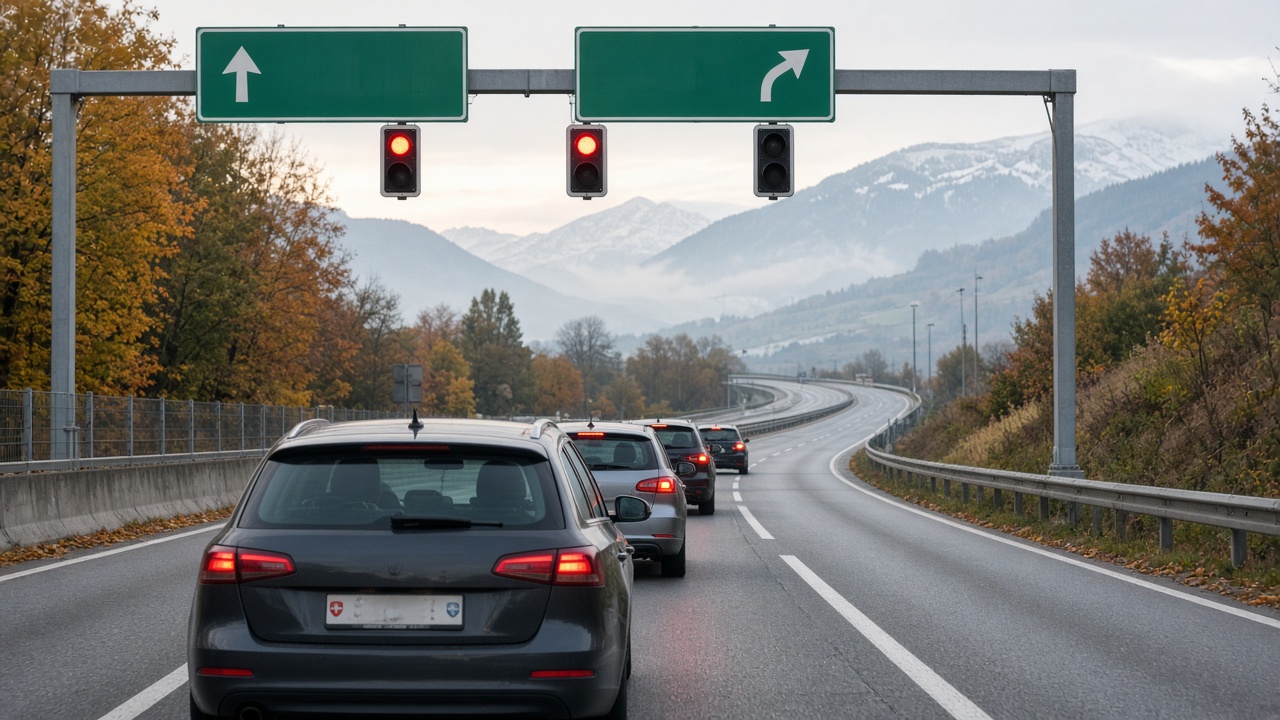
ASTRA lists 138 ramp metering projects since voters rejected new lanes. An internal note accepts jams on cantonal roads, and cities want a say.

A no vote on 29 November would leave the AHV CHF 5 billion short by 2035, the minister warned. VAT would rise from 8.1 to 8.5 percent, with the first 13th payment due in December.
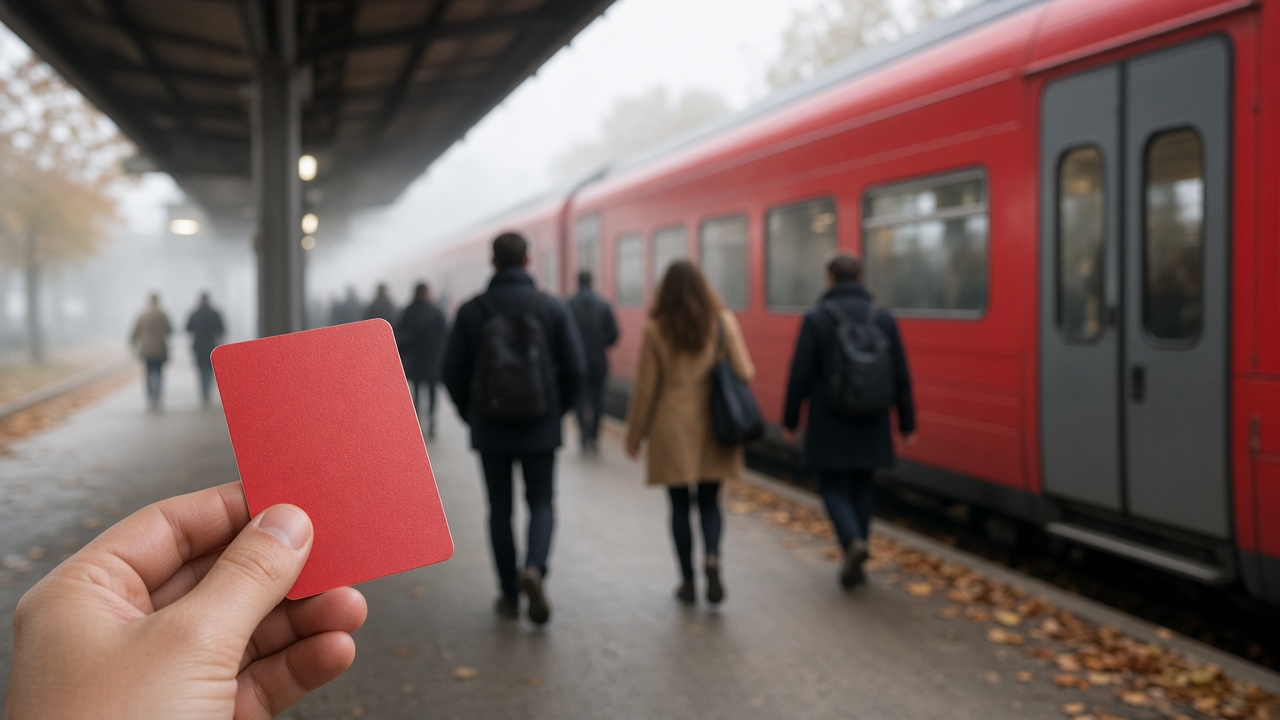
The second-class GA will cost CHF 4,095 from 13 December, up CHF 100 instead of the planned CHF 200. Documents show the industry first aimed for rises above 5 percent.
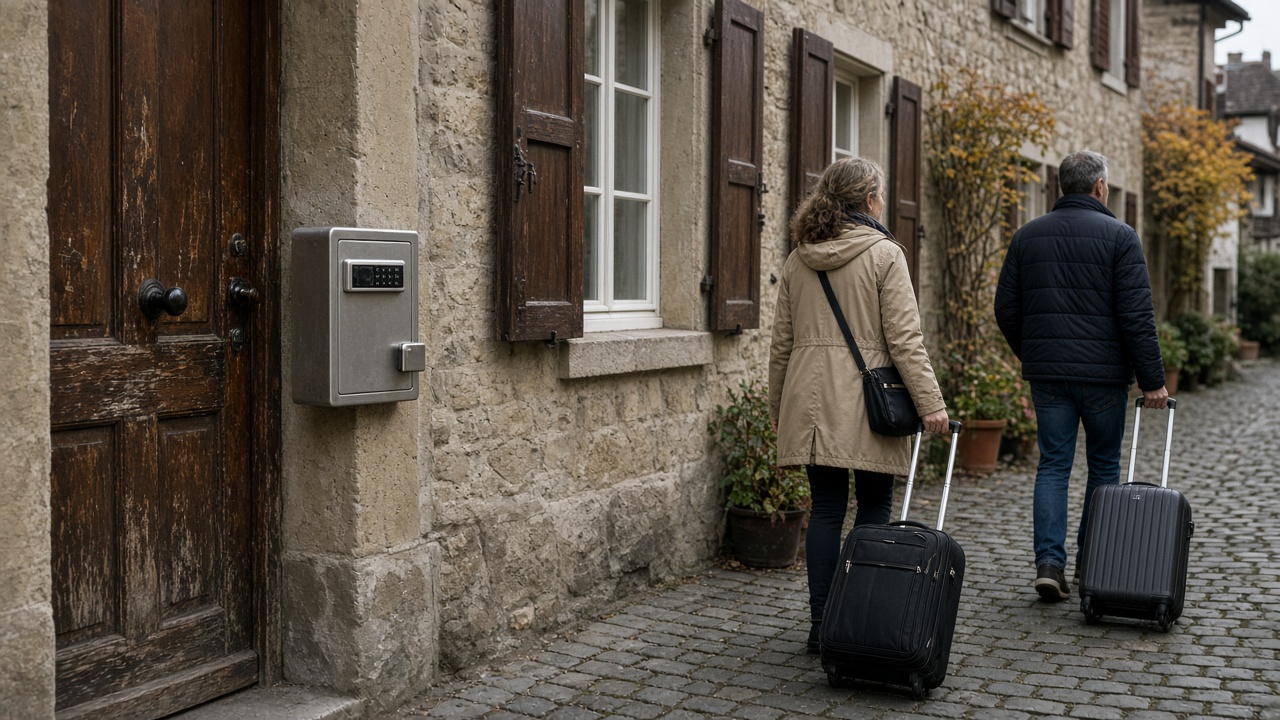
Lucerne caps short-term rentals at 90 nights a year, Zurich and Interlaken have followed, and Valais hoteliers want a level playing field. Bern is moving on nationwide data.
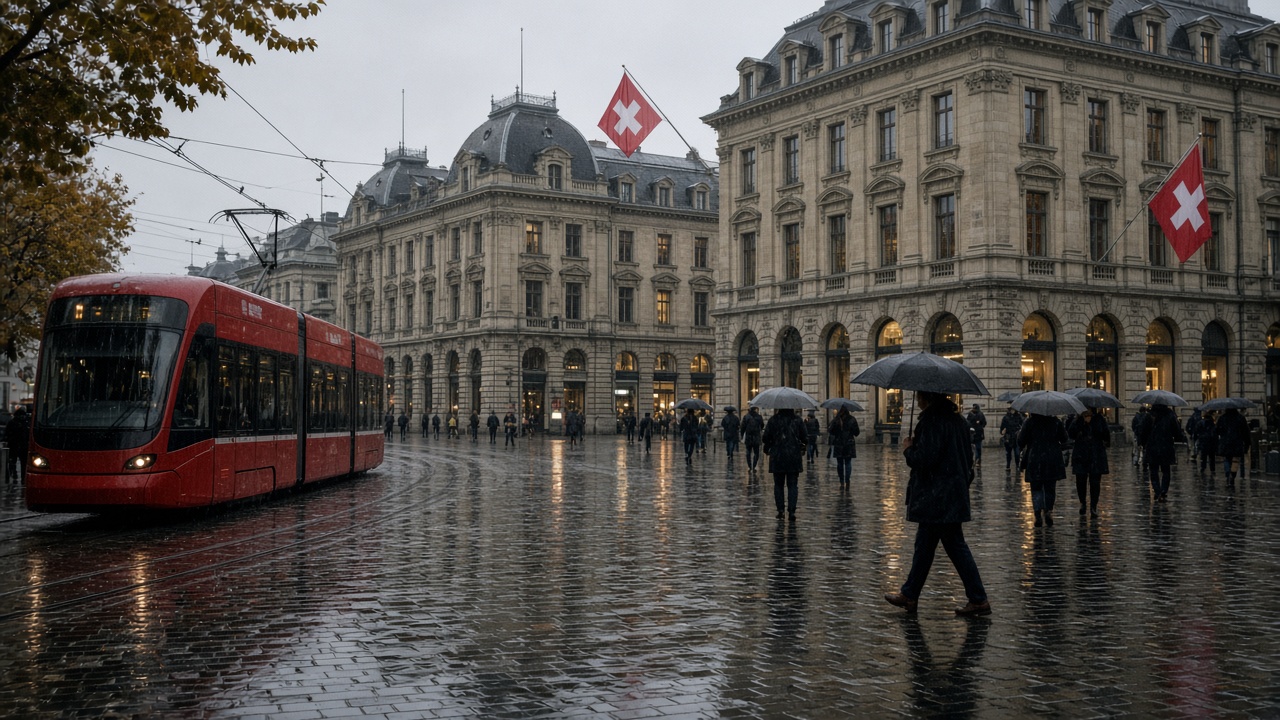
FDP and SVP lawmakers want to soften the Senate's 90 percent rule. Committees meet on 26 and 27 October, and a referendum threat hangs over a bank-friendly outcome.
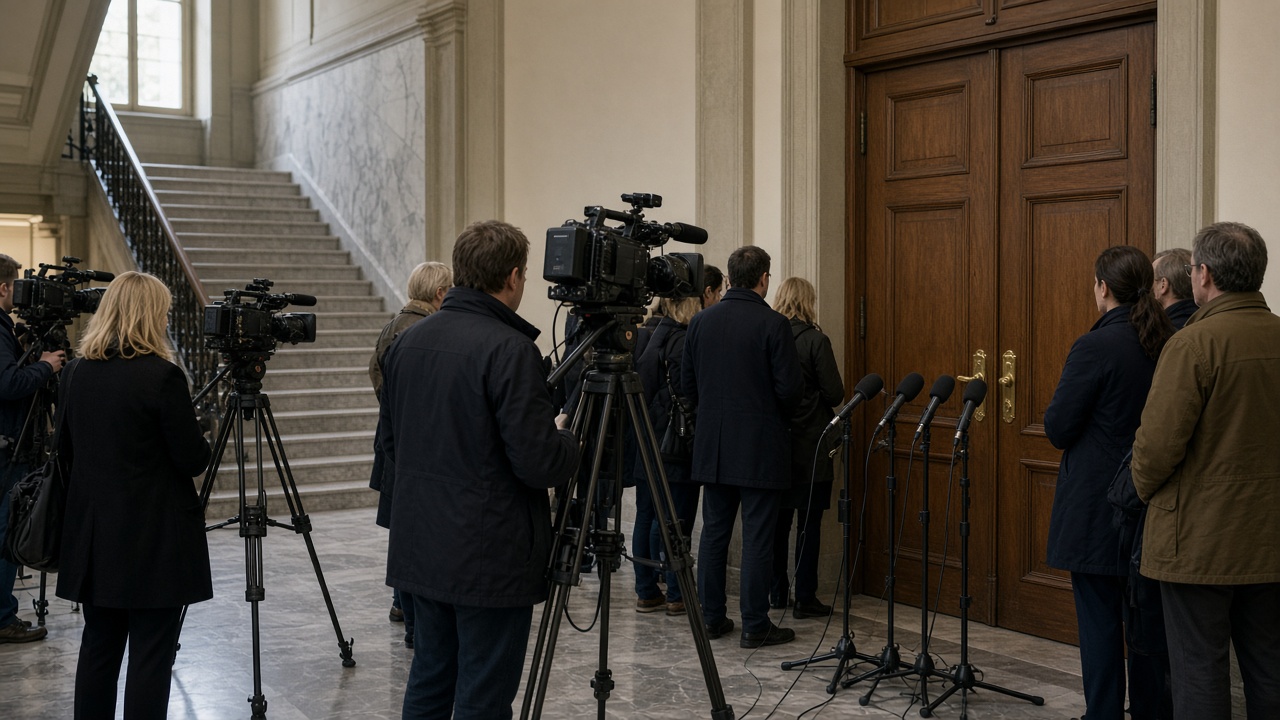
Amaudruz, Rickli and Friedli head the early lists. The SVP names its candidates on 20 November and parliament votes on 9 December.
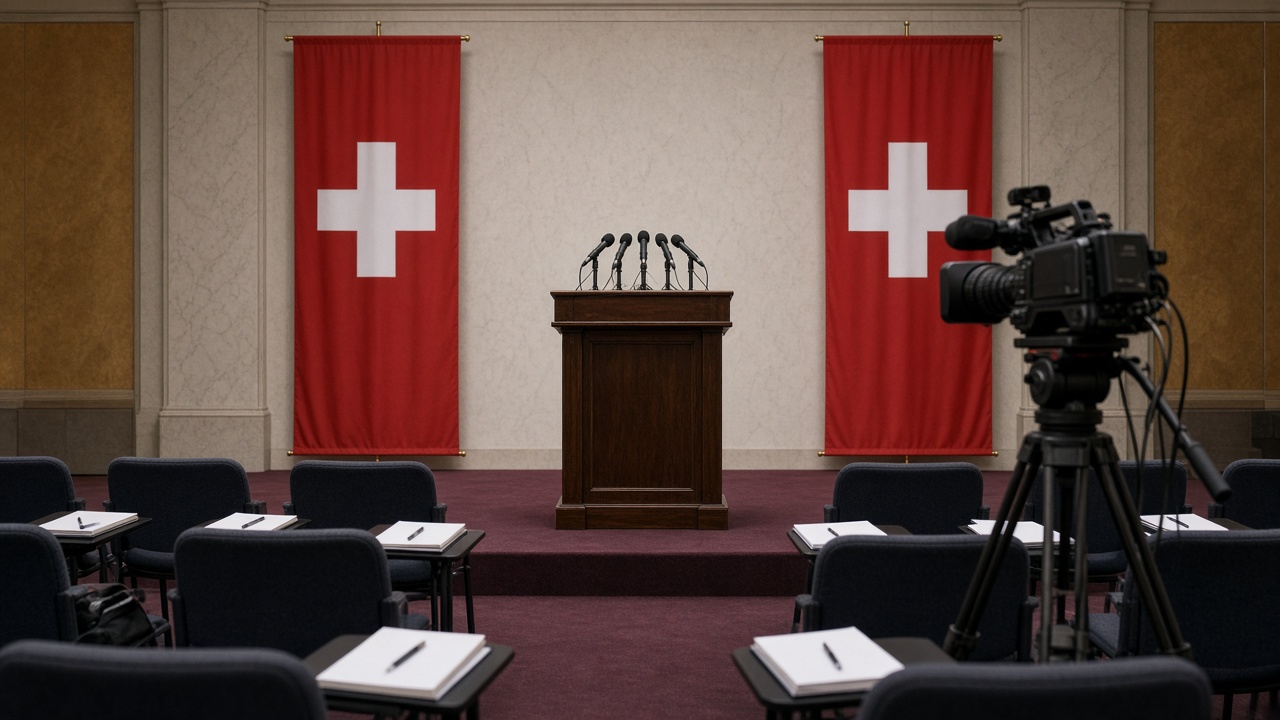
The economics minister and 2026 president steps down on 31 December after 11 years, citing weariness and denying health reasons. The election is on 9 December.
Three weeks settled the Senate's line on Europe, kept Mercosur alive and sent the UBS capital law to the National Council. The winter session opens on 30 November.

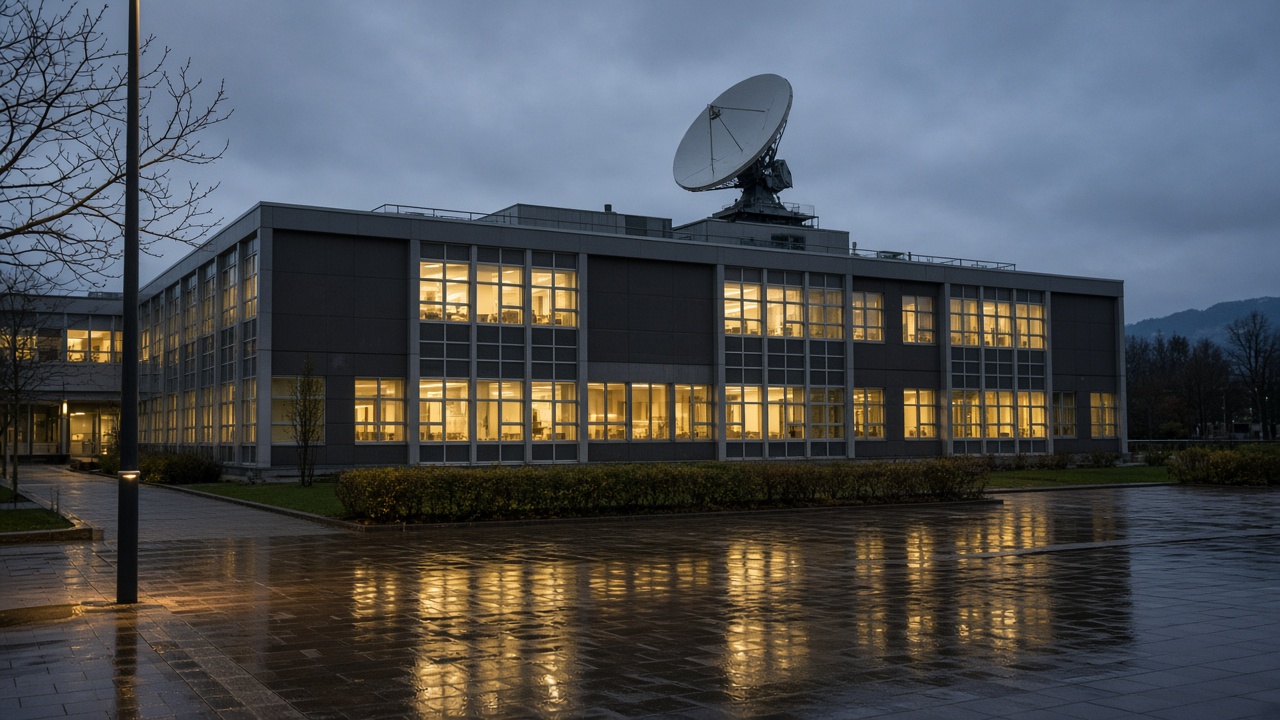
The aerospace firm found the first traces of a highly professional intrusion on 12 August and went public only after forensic work with Mandiant allowed it.
After 22 hours of debate, senators approved CHF 193 million for Erasmus+, kept the wage compromise and hardened the immigration rules. The National Council is next.
By 23 votes to 17, senators chose a mandatory referendum on Bilaterals III, raising the bar to a double majority of voters and cantons.

The average premium reaches CHF 412 a month next year. Adults will pay CHF 487.60, and the switching window closes at the end of November.
Senators moved from Monday's entry vote into the contested clauses: wage protection, the referendum rule and dynamic adoption of EU law.
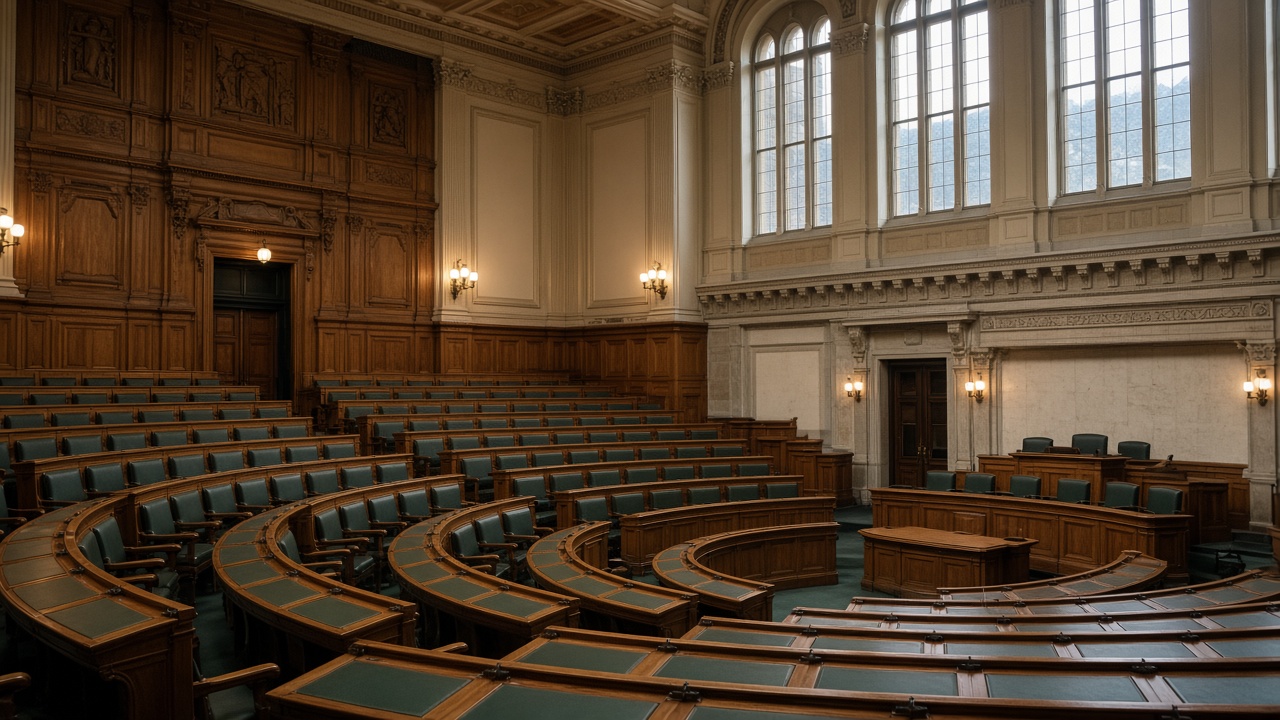
The Council of States voted 29 to 15 to open the Swiss-EU package. Detailed debate on wages and the referendum runs through Wednesday.
All 26 cantons and 70.15 percent of voters rejected a stricter constitutional definition of neutrality. The food initiative also lost.
Martin Schlegel told SRF the dry summer showed up in food prices, while the rise in Swiss inflation was still almost all petroleum.
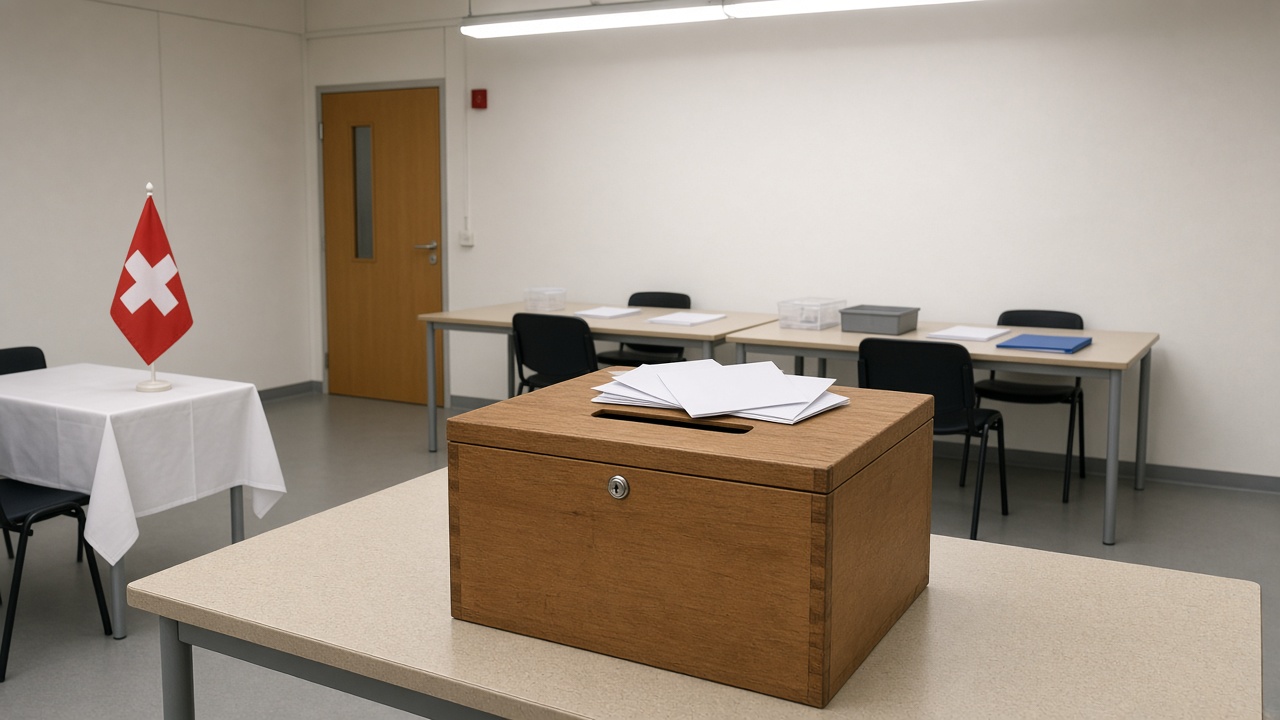
With two days to go, the last national polls still have both 27 September initiatives behind. Most ballots in Switzerland are postal.
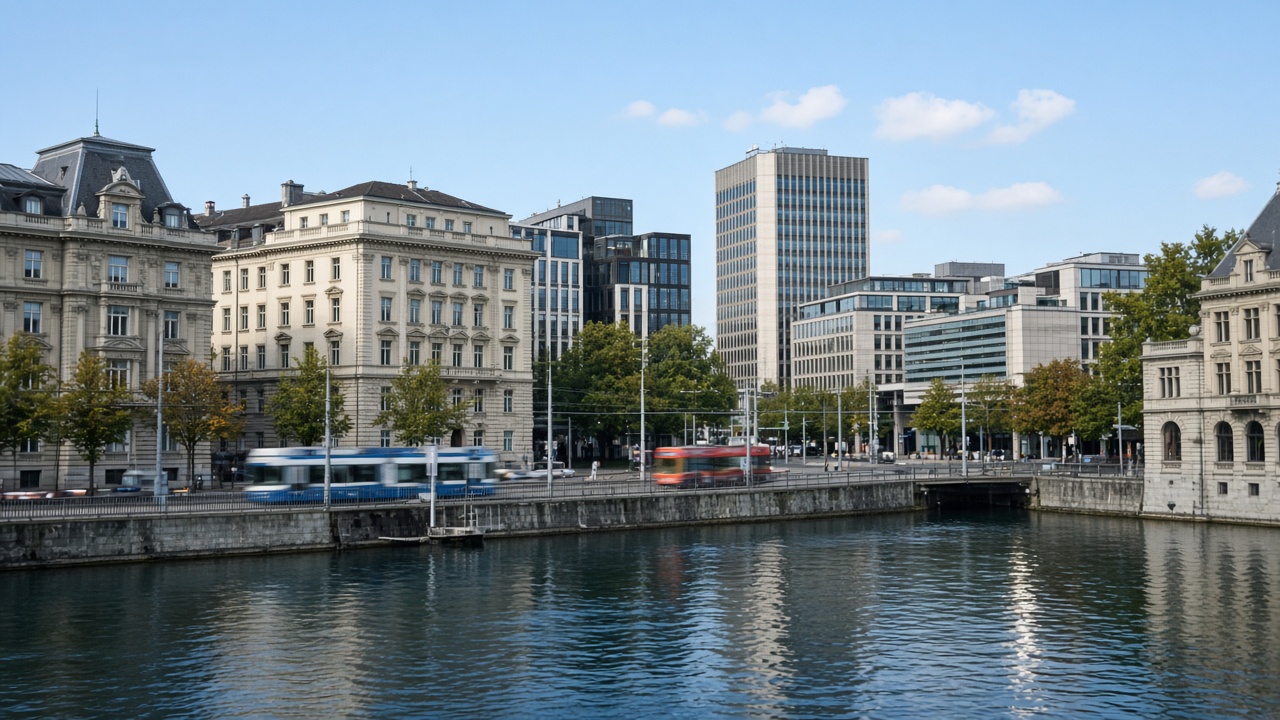
The SNB held at zero for another quarter, lifted its inflation forecast slightly, and softened the wording on franc intervention.
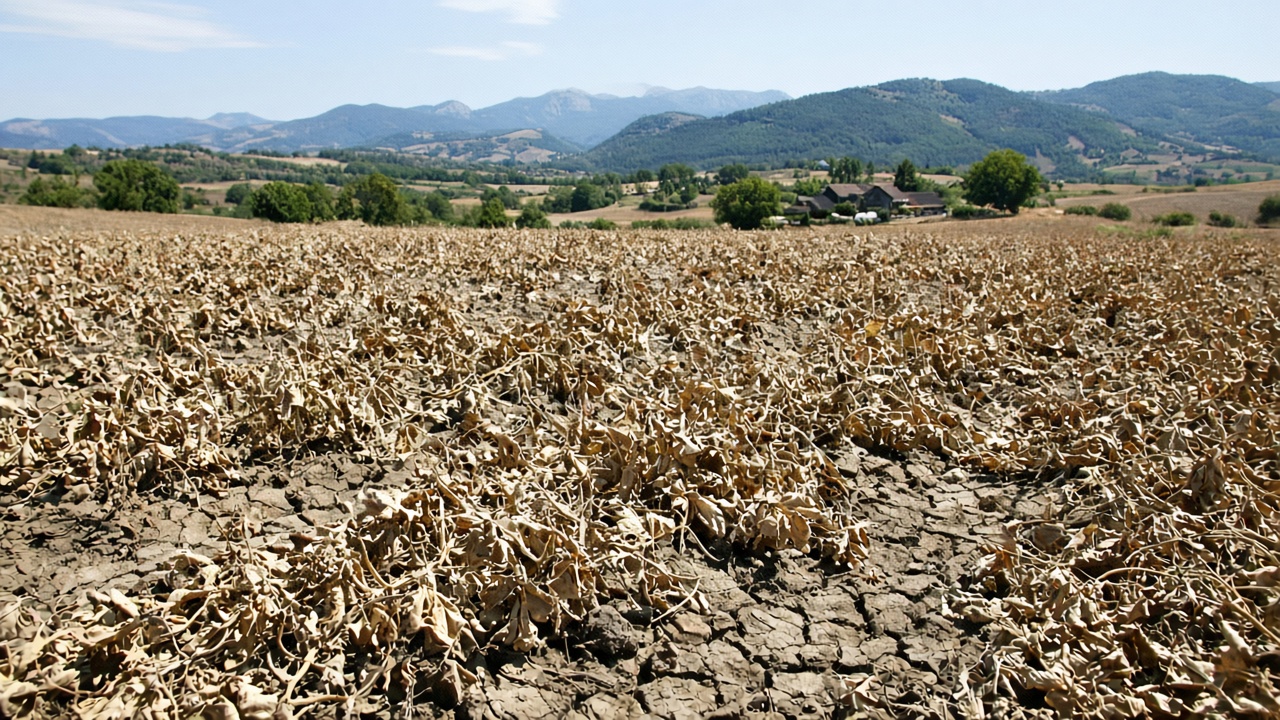
Hagel Schweiz expects CHF 59.2 million in crop losses and about 5,800 claims after the driest, hottest April-to-August stretch since 1901.
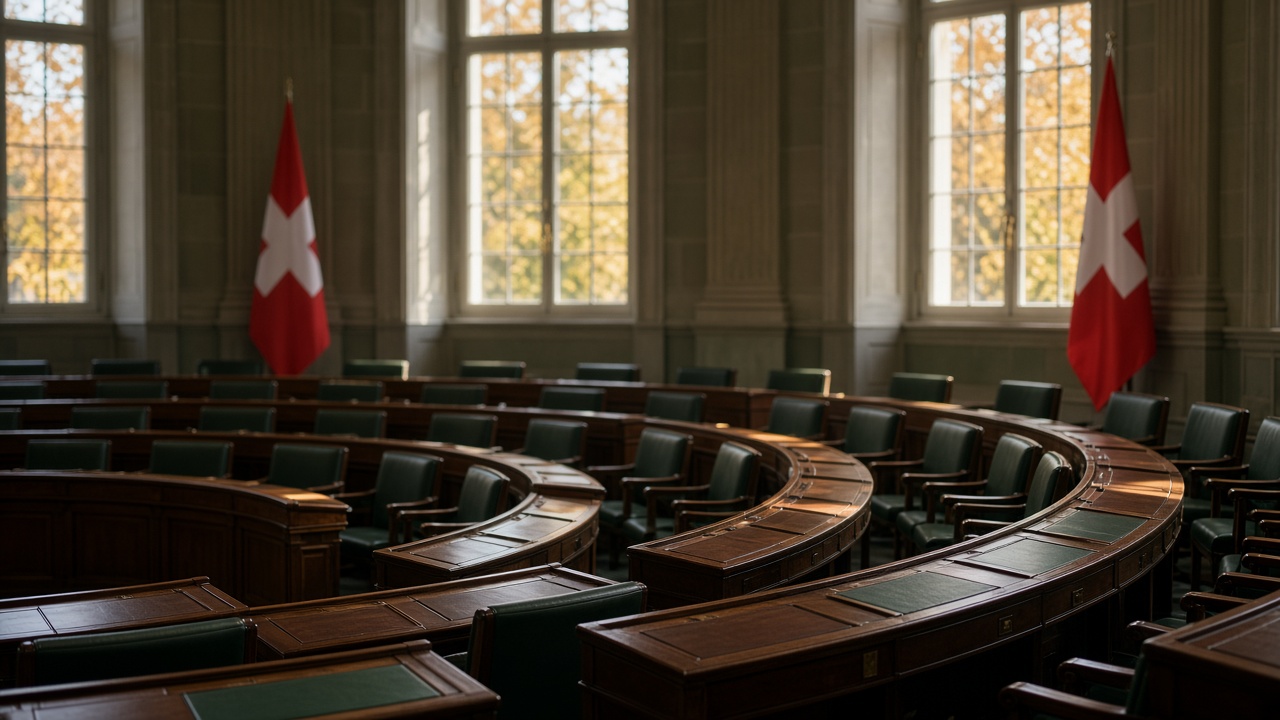
The Council of States chose 90 percent CET1 backing for UBS foreign units, stricter than the committee plan and short of the government's 100 percent.
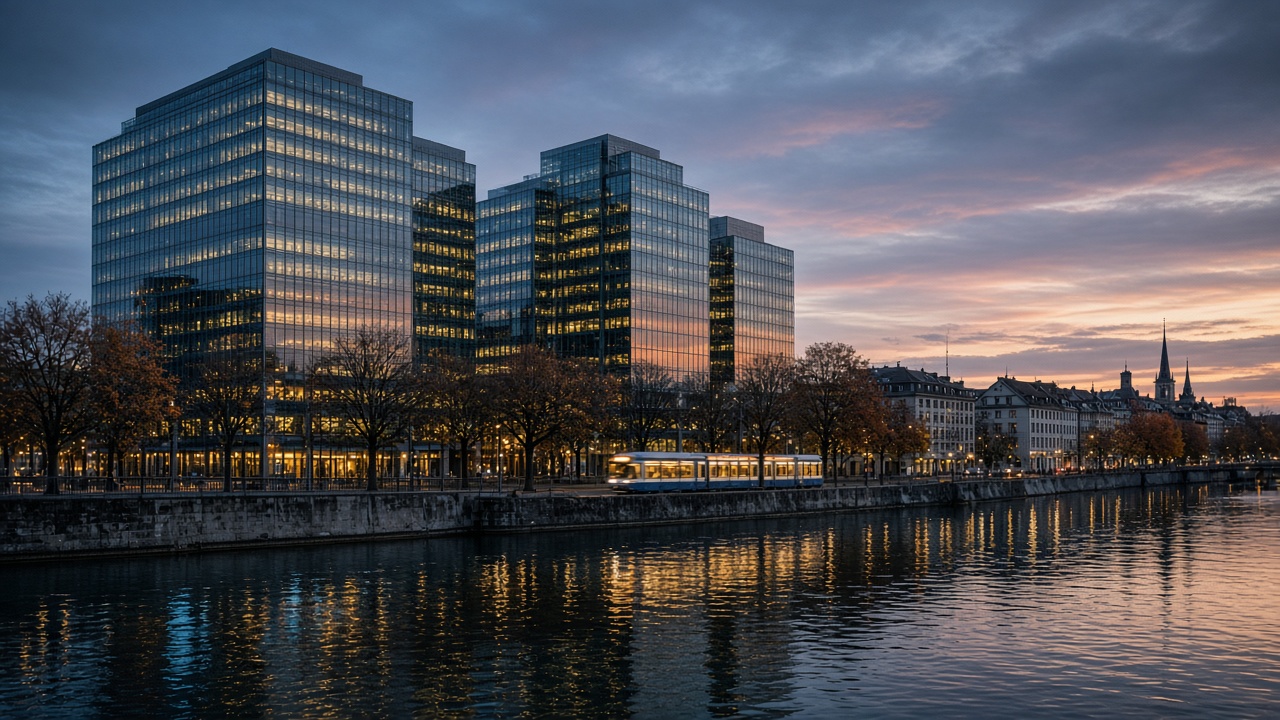
The finance minister and the UBS chief executive restated capital positions that do not meet, a day before the Senate vote.
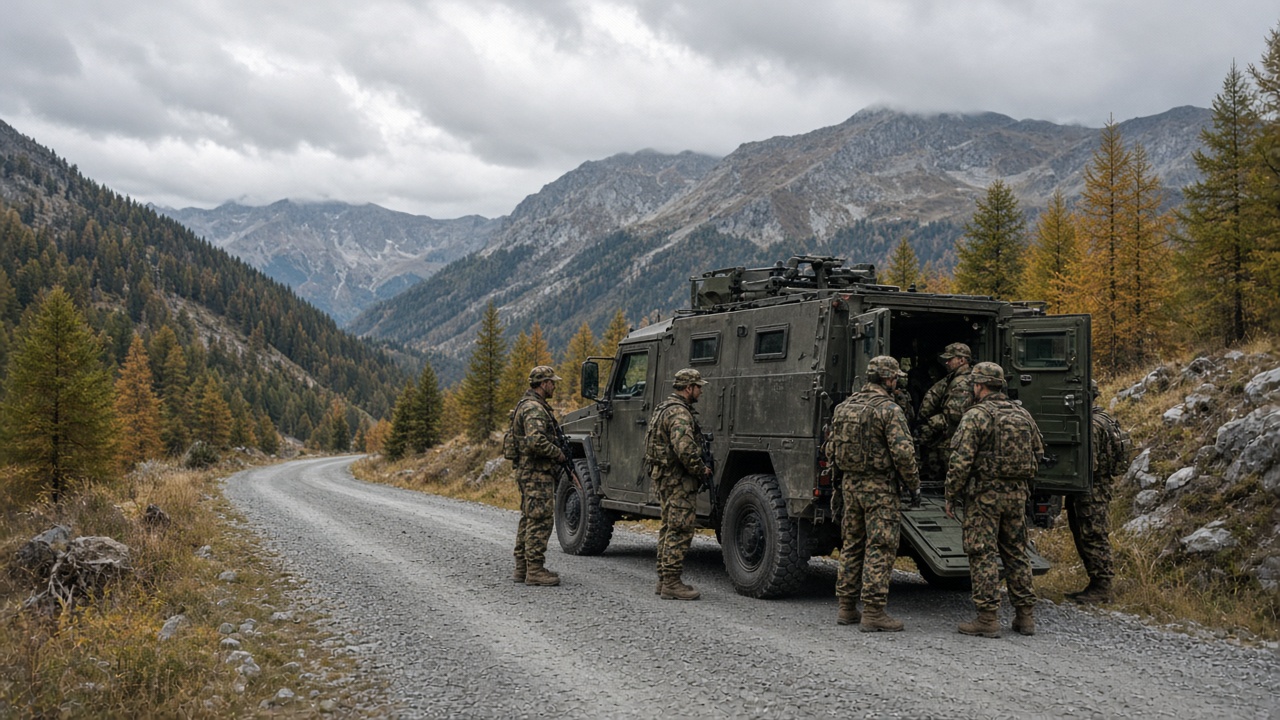
Senators kept a CHF 24 billion defence fund, doubled the loan ceiling to CHF 12 billion, and cut the VAT rise to 0.2 points.

Published polls still show the 27 September neutrality initiative heading for defeat, with no newer national survey yet.
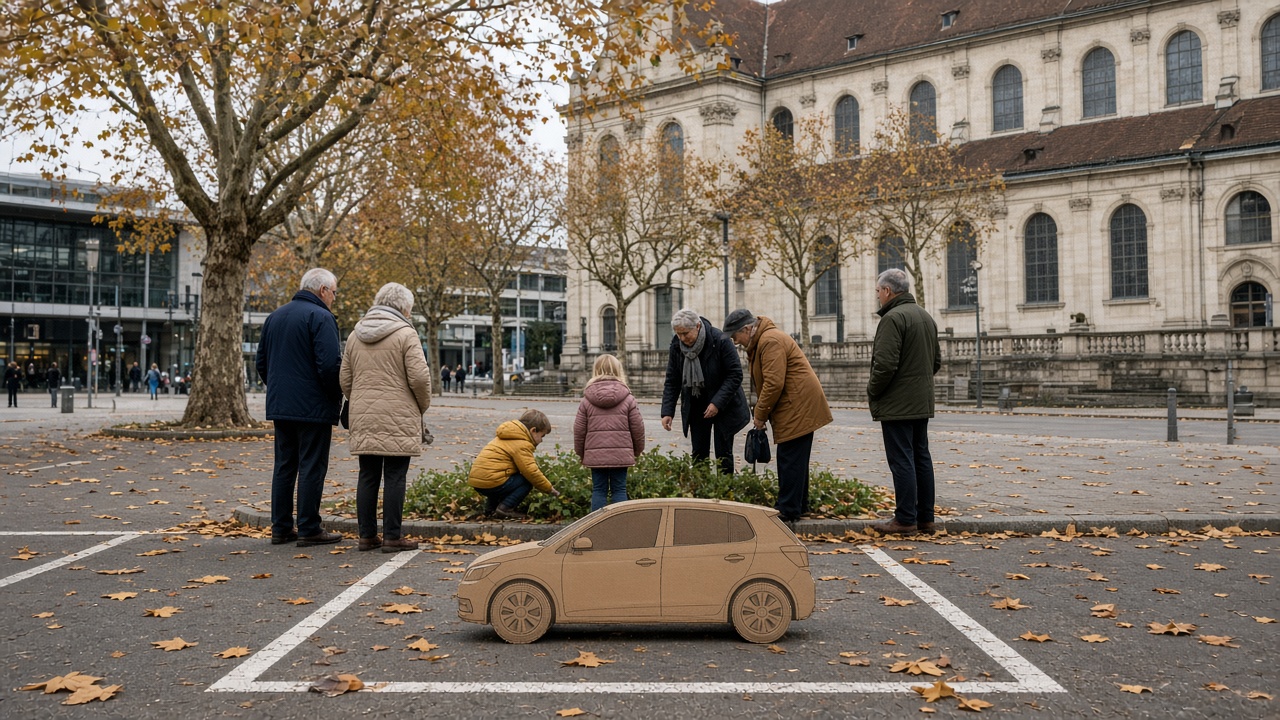
Climate grandparents marked a Bahnhofplatz parking bay and asked Bern to see 15 square metres as public space.
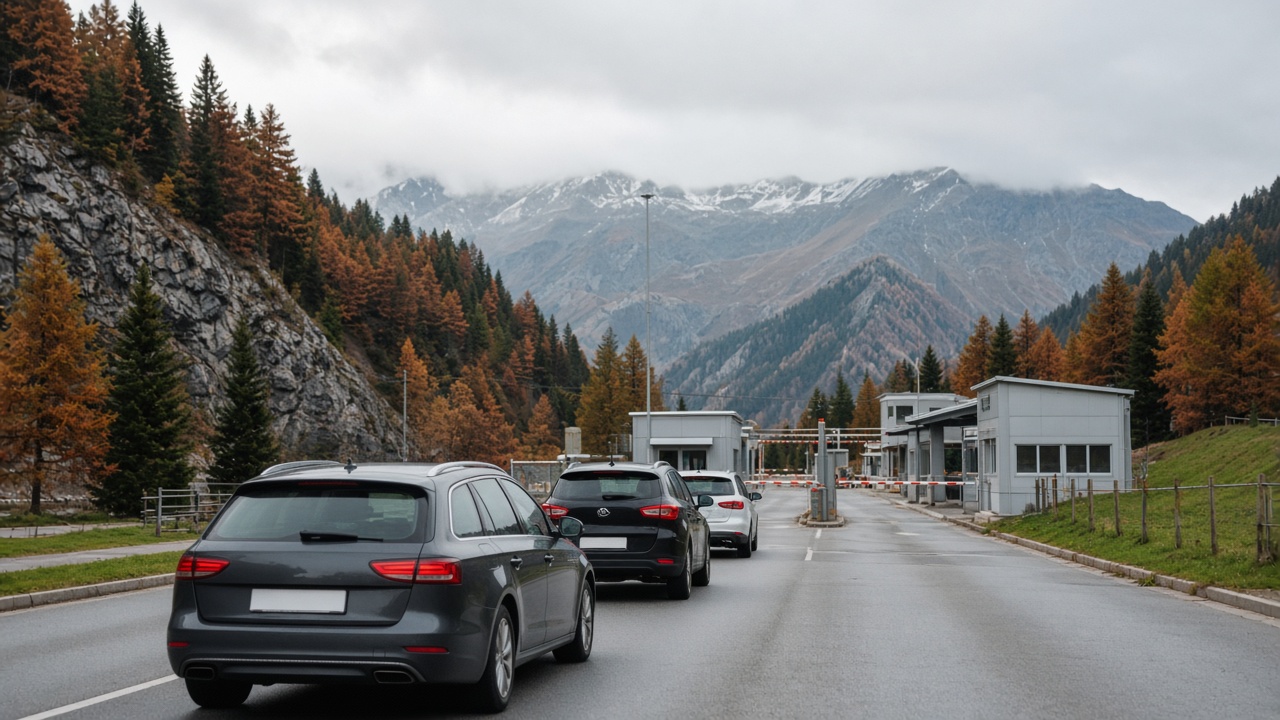
Ministers asked parliament to recommend a no vote on systematic border checks and a 5,000 asylum cap, with no counter-proposal.
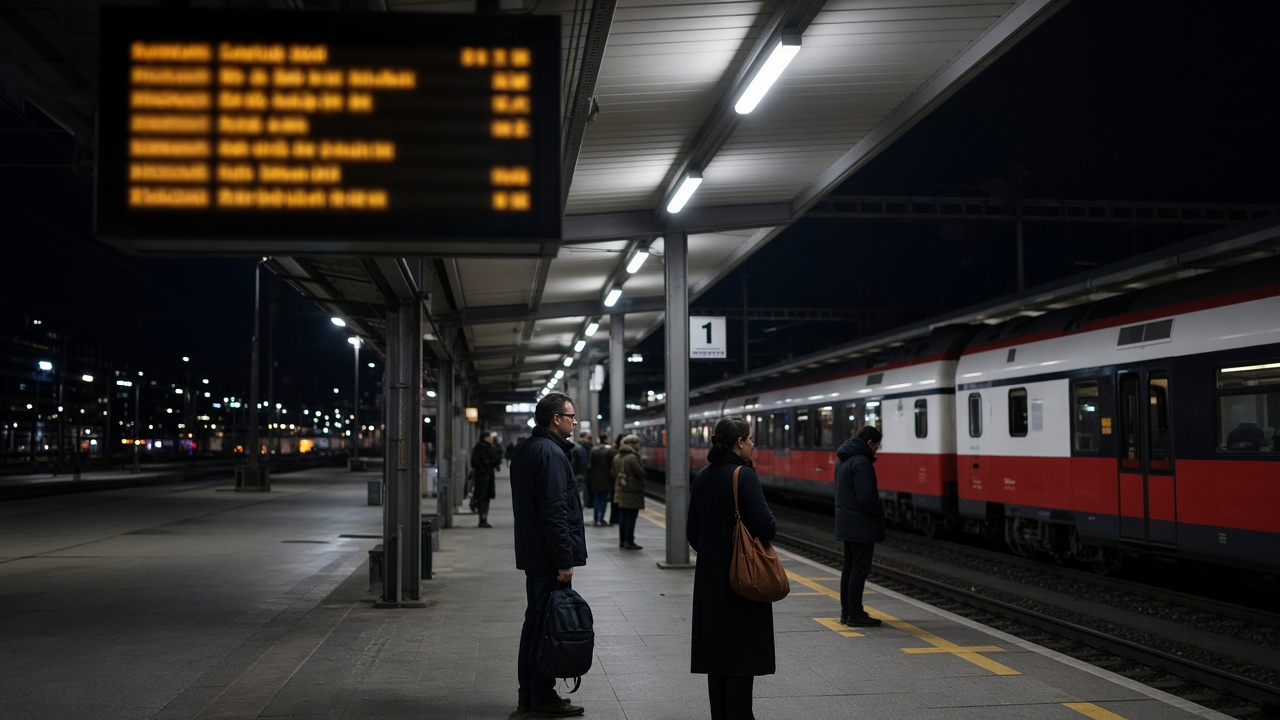
An electrical fault stopped Lausanne, Geneva and Yverdon trains for hours on Thursday night. Services were back by morning.
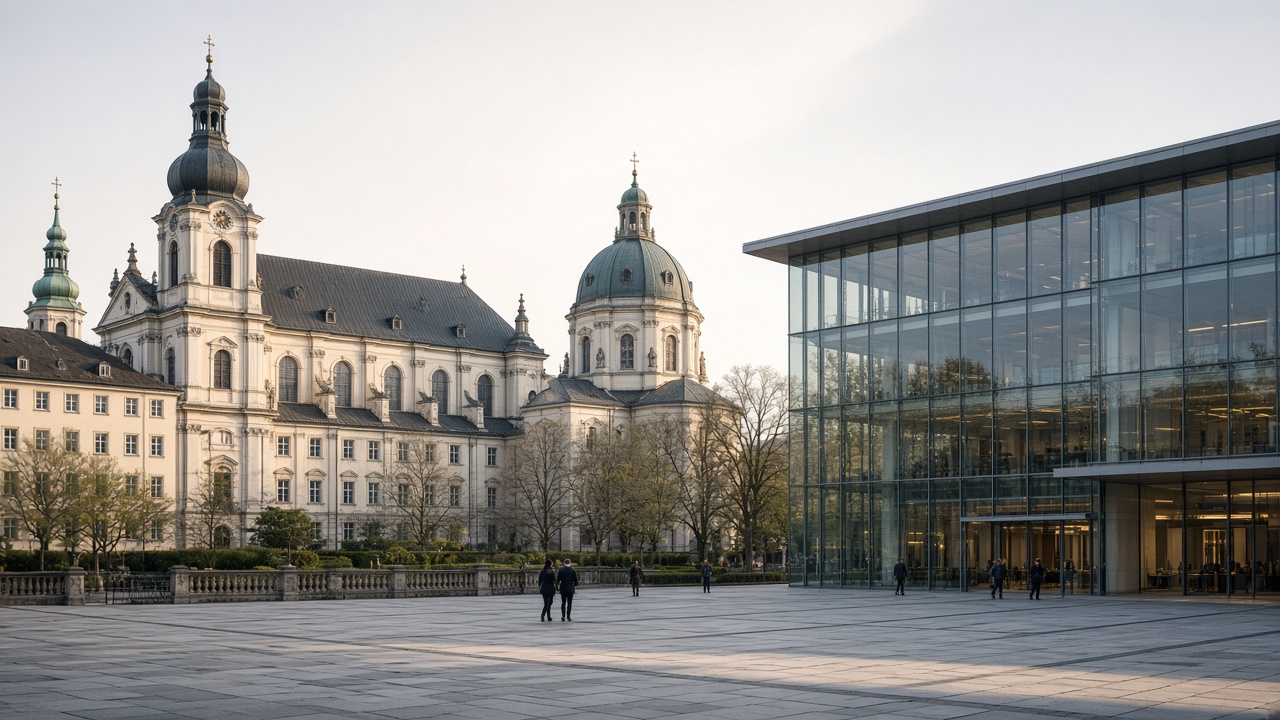
Colm Kelleher said UBS may have to rethink Switzerland if it cannot compete. The Senate delayed the capital vote to 23 September.
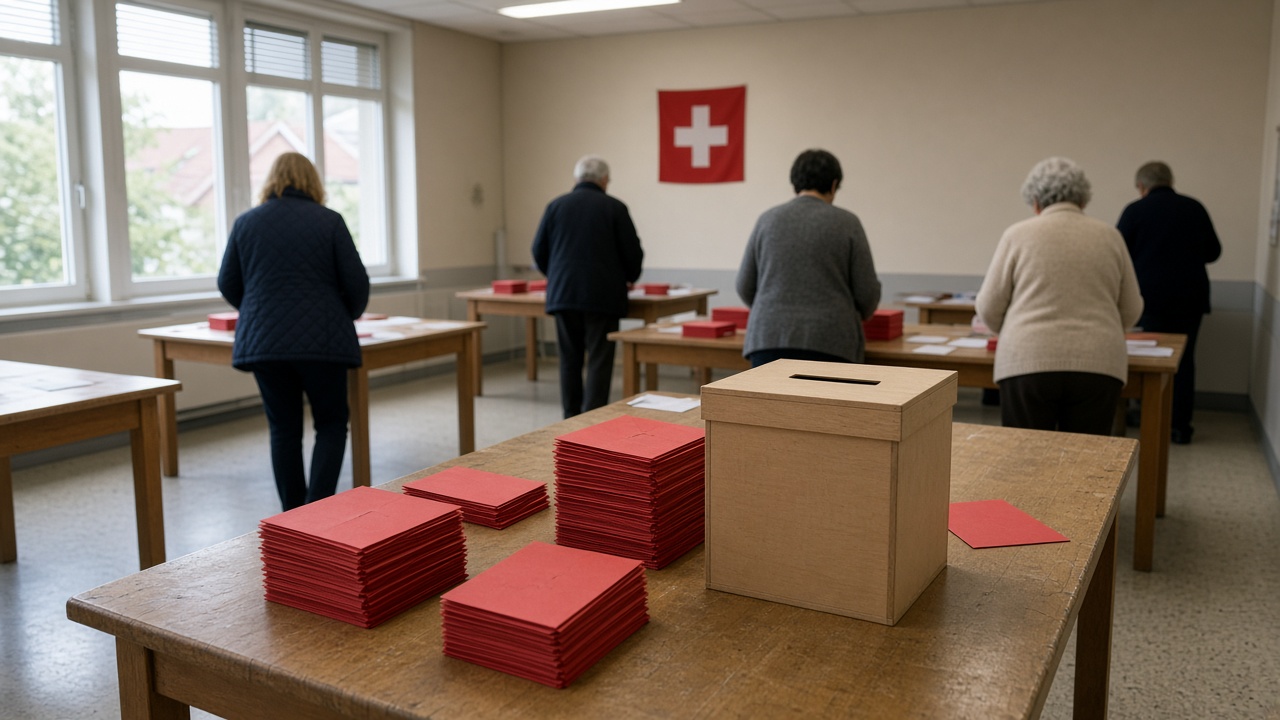
The floor has an agenda. The coffee machine has a later one, and this morning it was a survey.
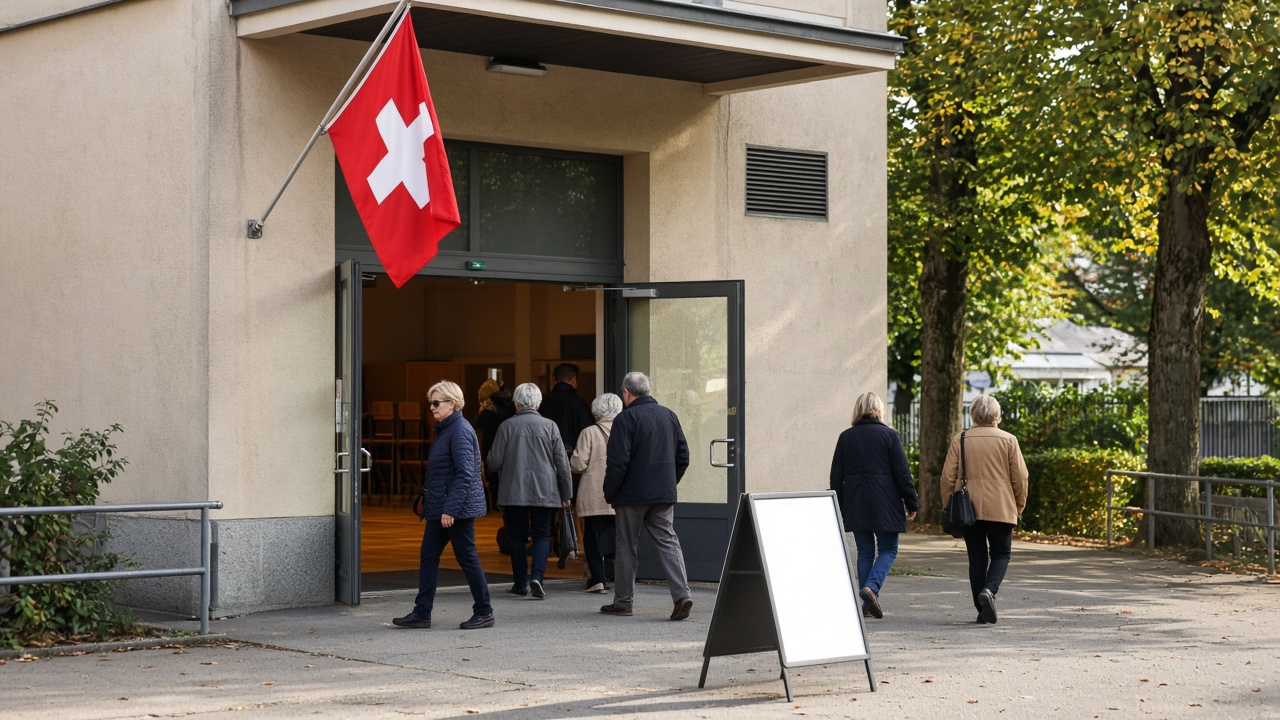
Two surveys published Wednesday put the neutrality initiative well behind with ten days left before the 27 September ballot.
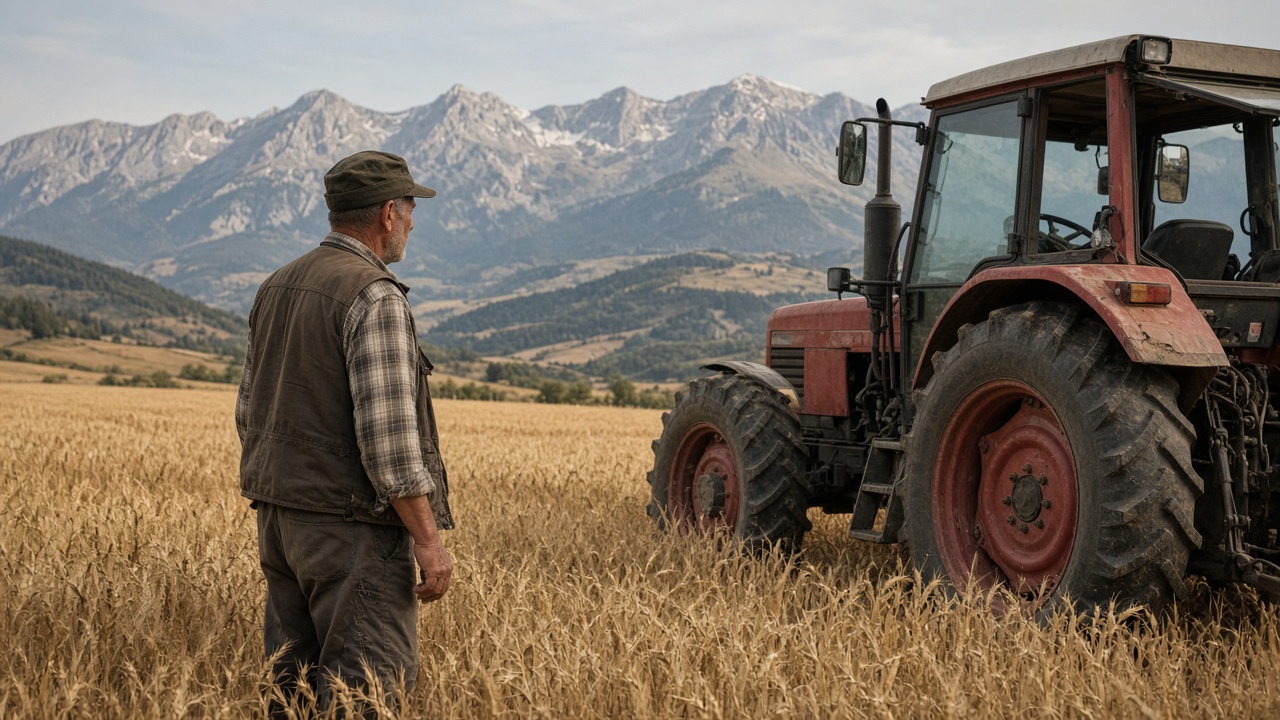
The Senate offered a package. The unions offered the same no, with an invoice attached.
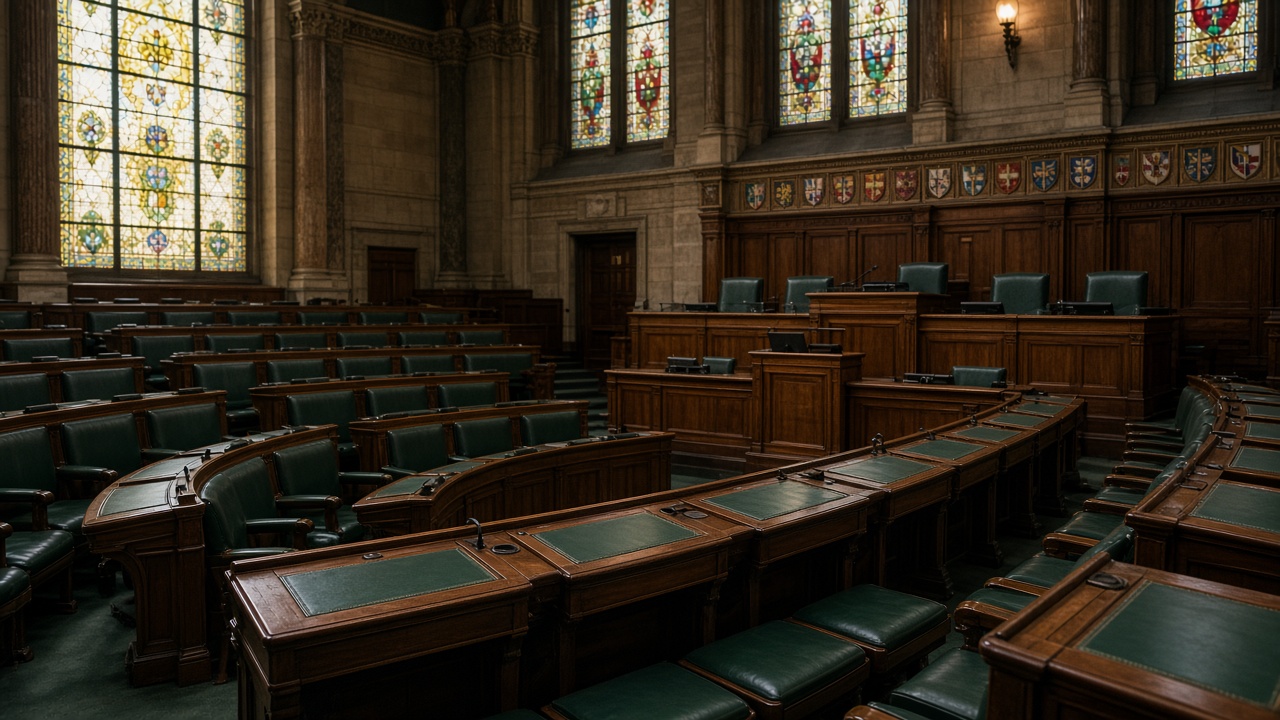
Senators voted 35 to 7 to revive a South American trade pact the National Council rejected in June, pairing it with new money for farmers.
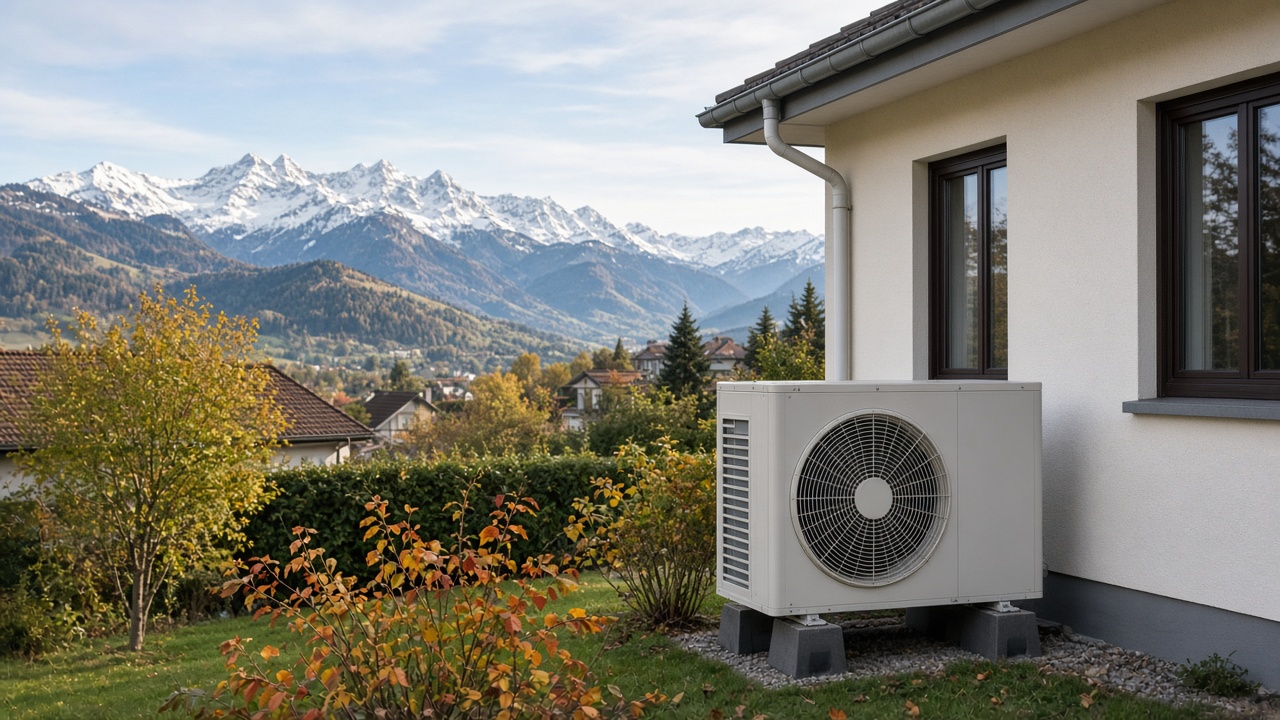
New building figures show heat pumps racing ahead in new homes while oil still heats a third of the existing stock.
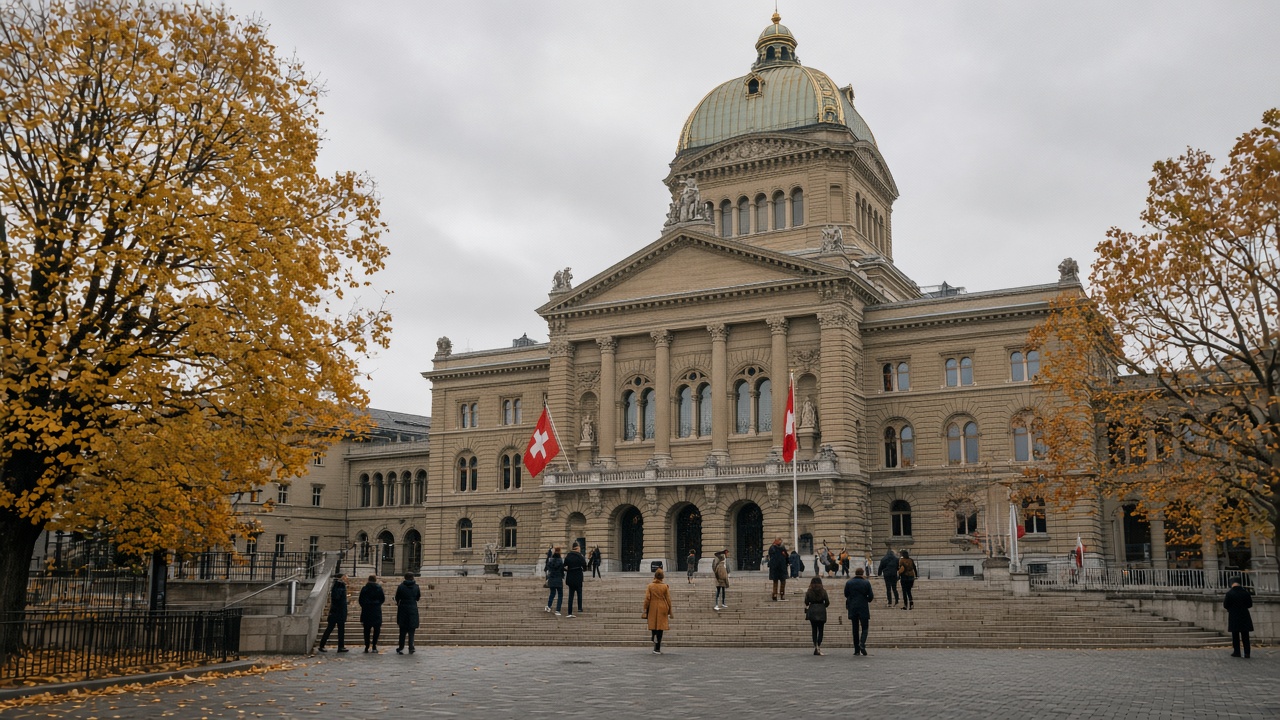
Lawmakers returned to the Bundeshaus on Monday for a three-week sitting that will test the bilateral path with Brussels and the cost of rearmament.
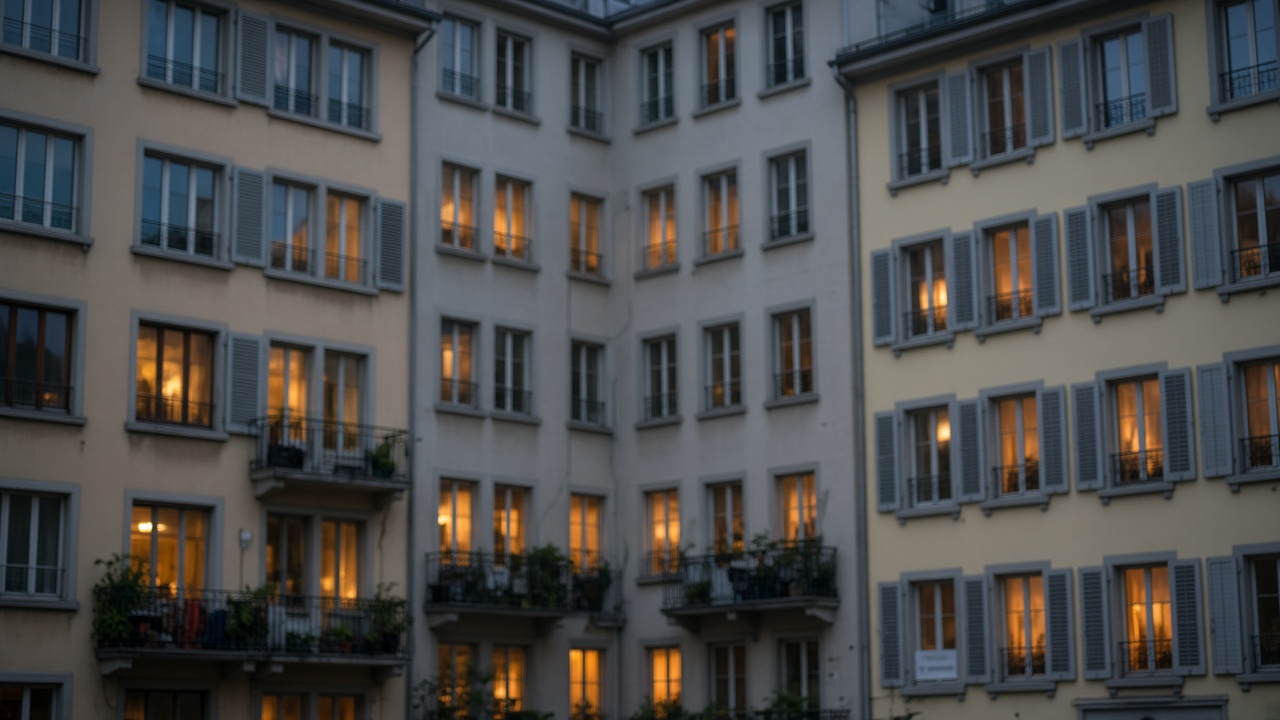
Official figures now put Switzerland under the one percent vacancy line that analysts treat as a shortage.
A proposal to write higher self-sufficiency into policy is losing ground, including in some rural districts that usually back farm causes.
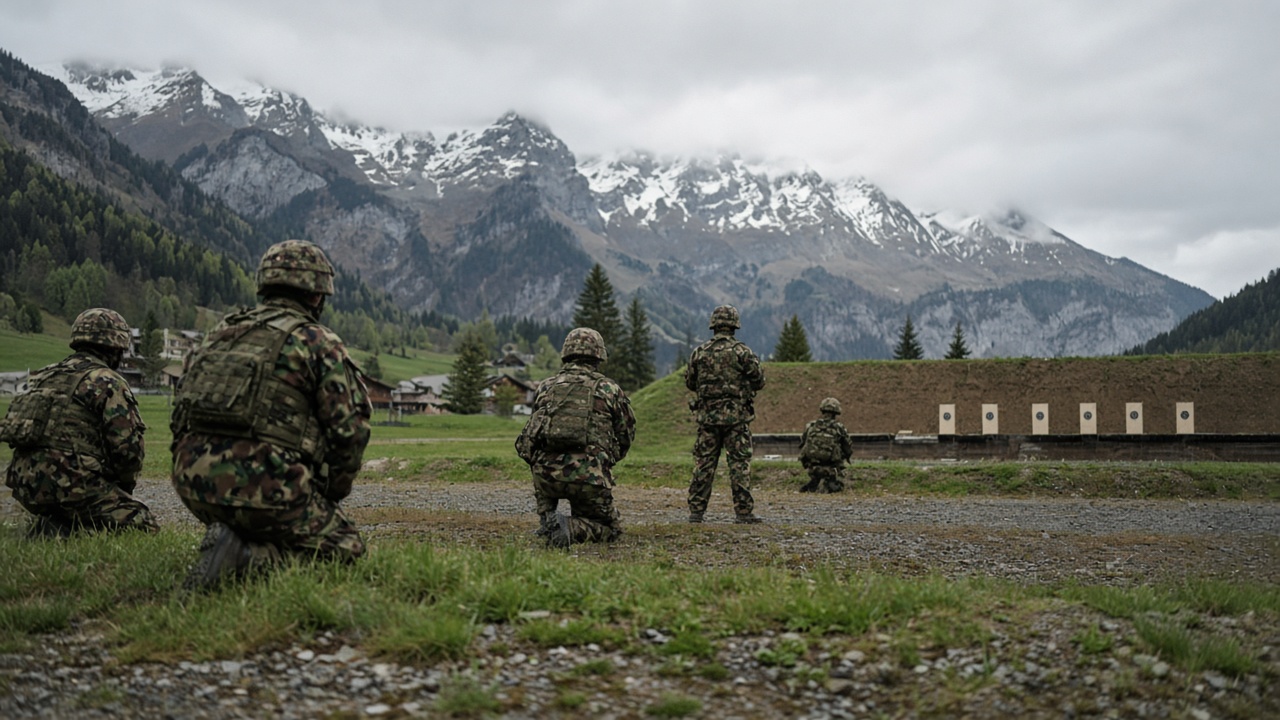
Rearmament meets the debt brake next week, when the large chamber takes up army money that supporters call overdue and critics call a blank cheque.
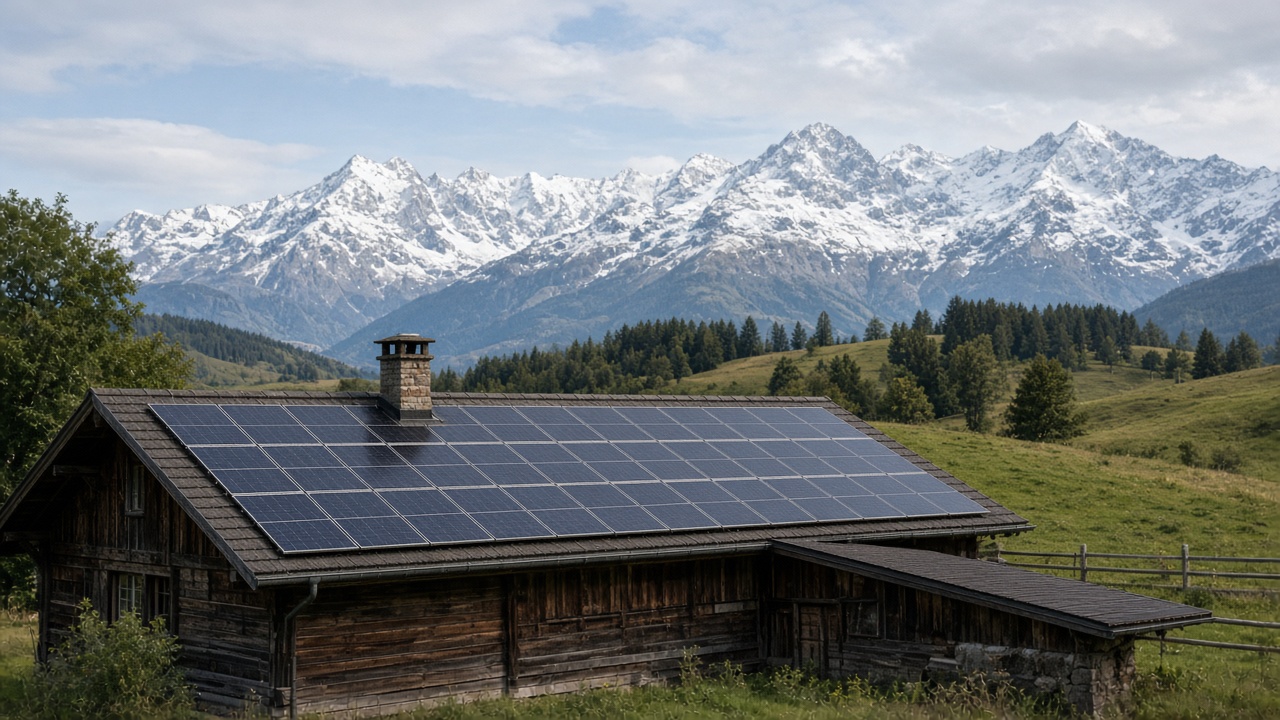
The revised framework links national emission cuts to cantonal grants, setting up a tense debate when parliament returns to Bern.
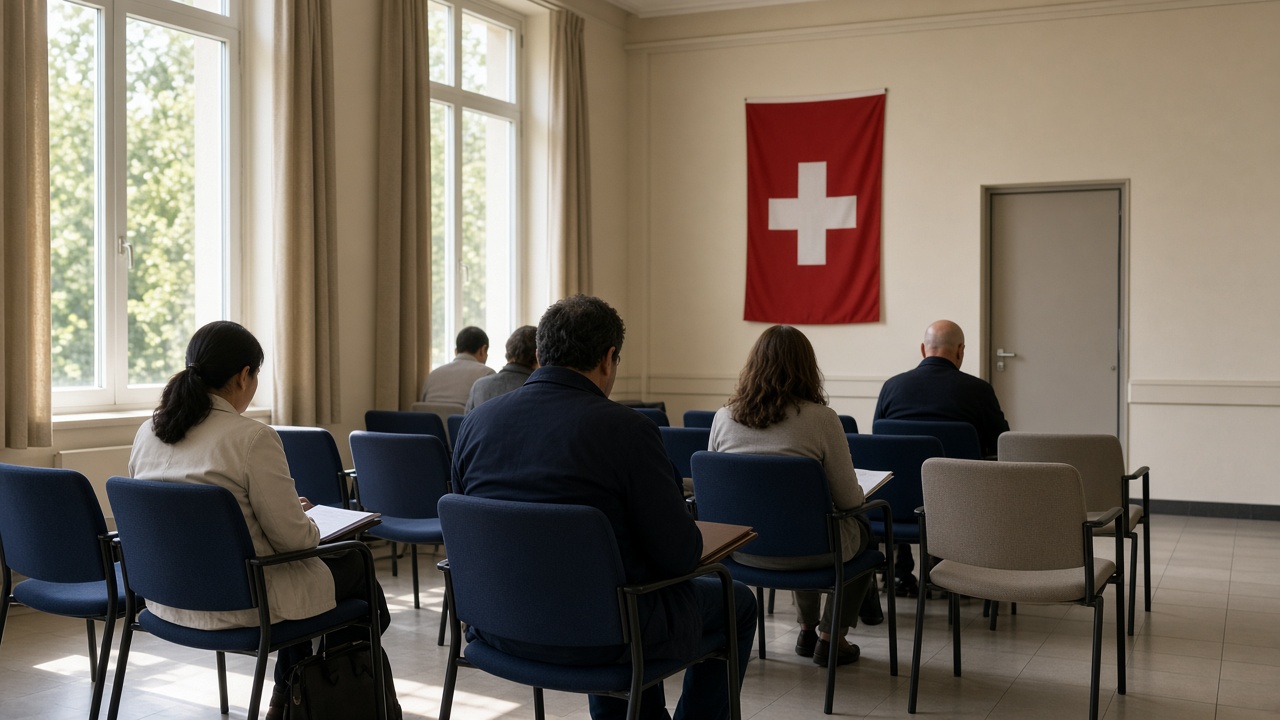
Before the first gavel in the Bundeshaus, consular groups asked deputies not to treat overseas voters as an afterthought.
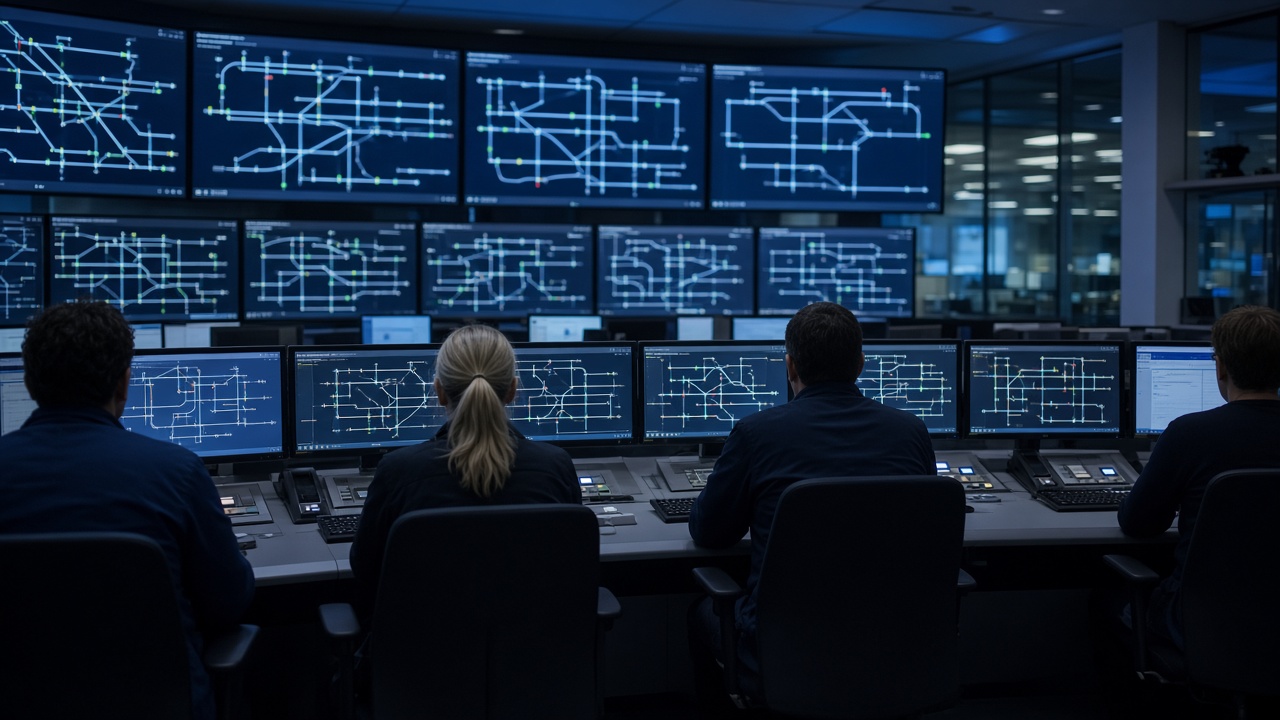
The old control software will not retire on a slogan. SBB is paying to keep it safe while the next platform is designed.
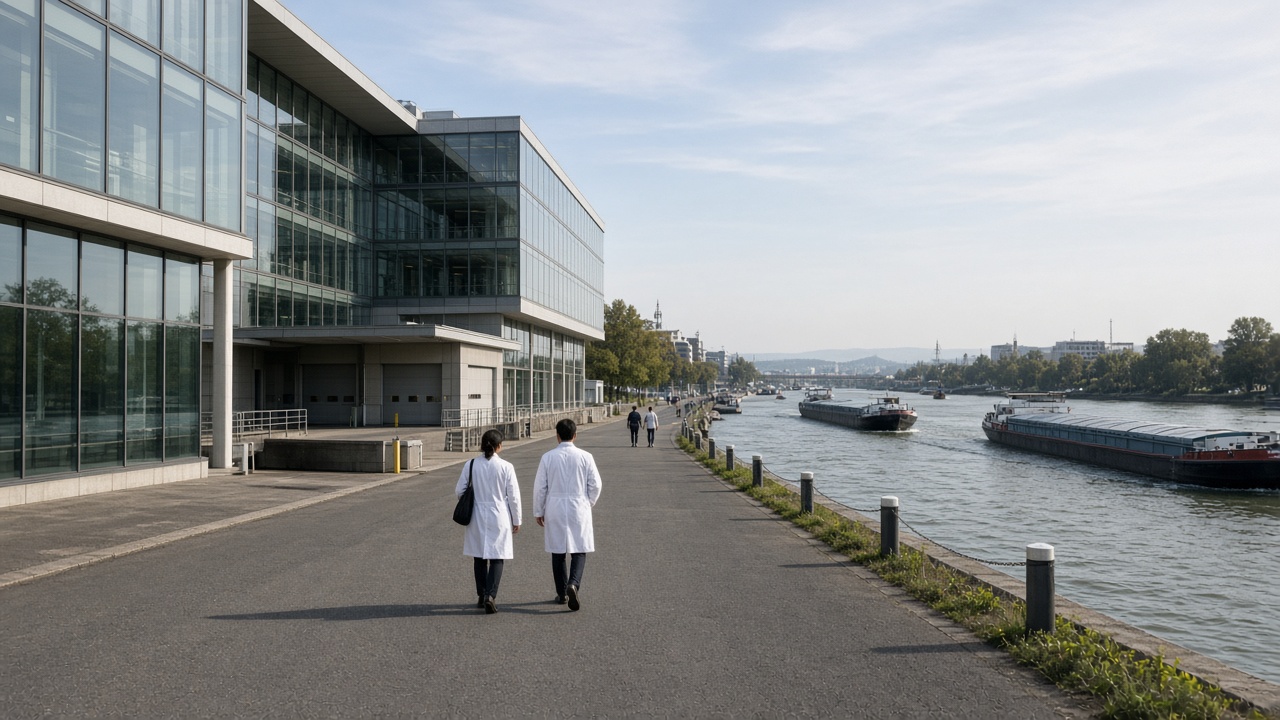
Along the Rhine the dominant employers still talk in product cycles, not in parliamentary committee minutes.
A campaign bus is a village hall that can still find a parking space.
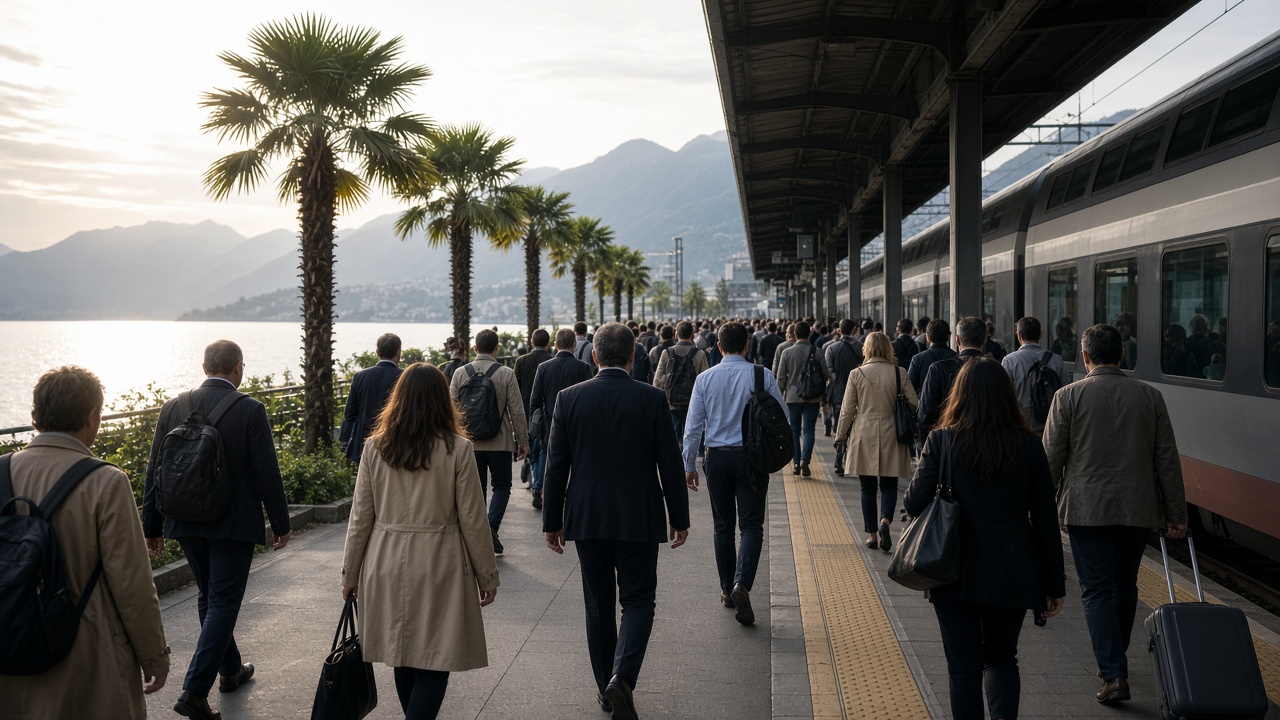
In Lugano the morning crowd on the platform still speaks more Italian than Swiss German, and the arguments have not aged out.
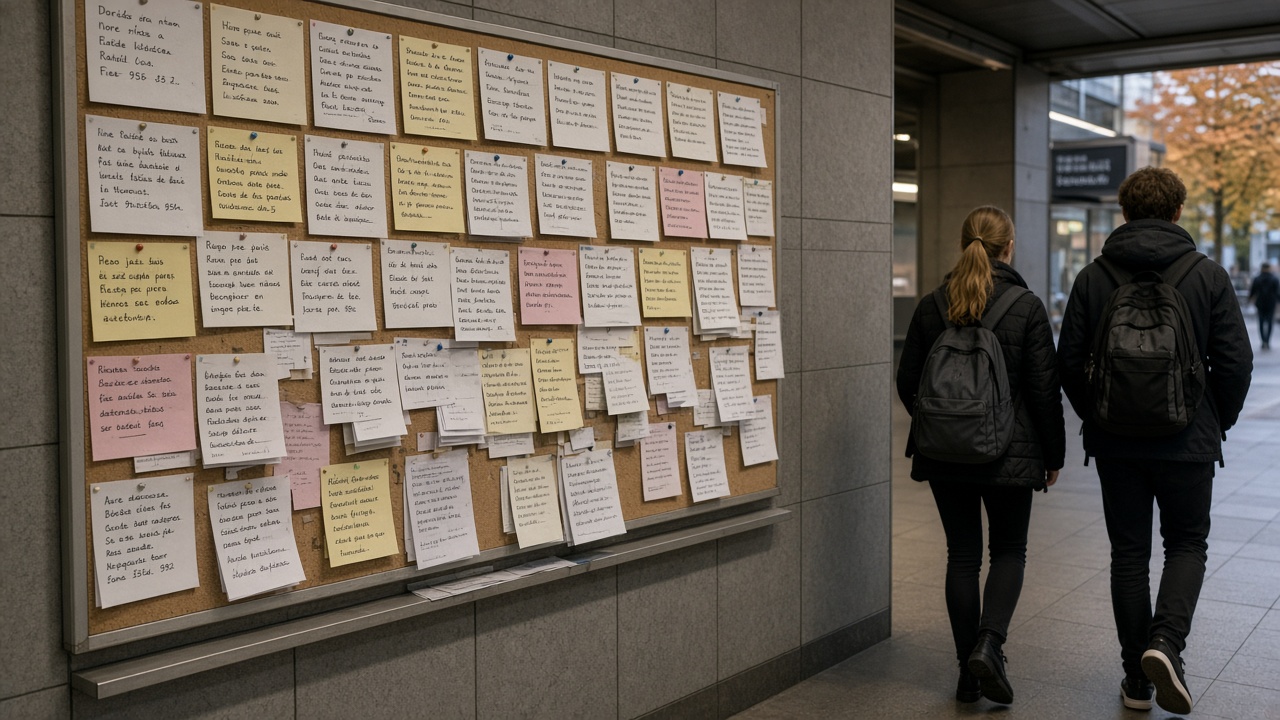
Noticeboards at the metro filled faster than the remaining studios in Renens and the old town.
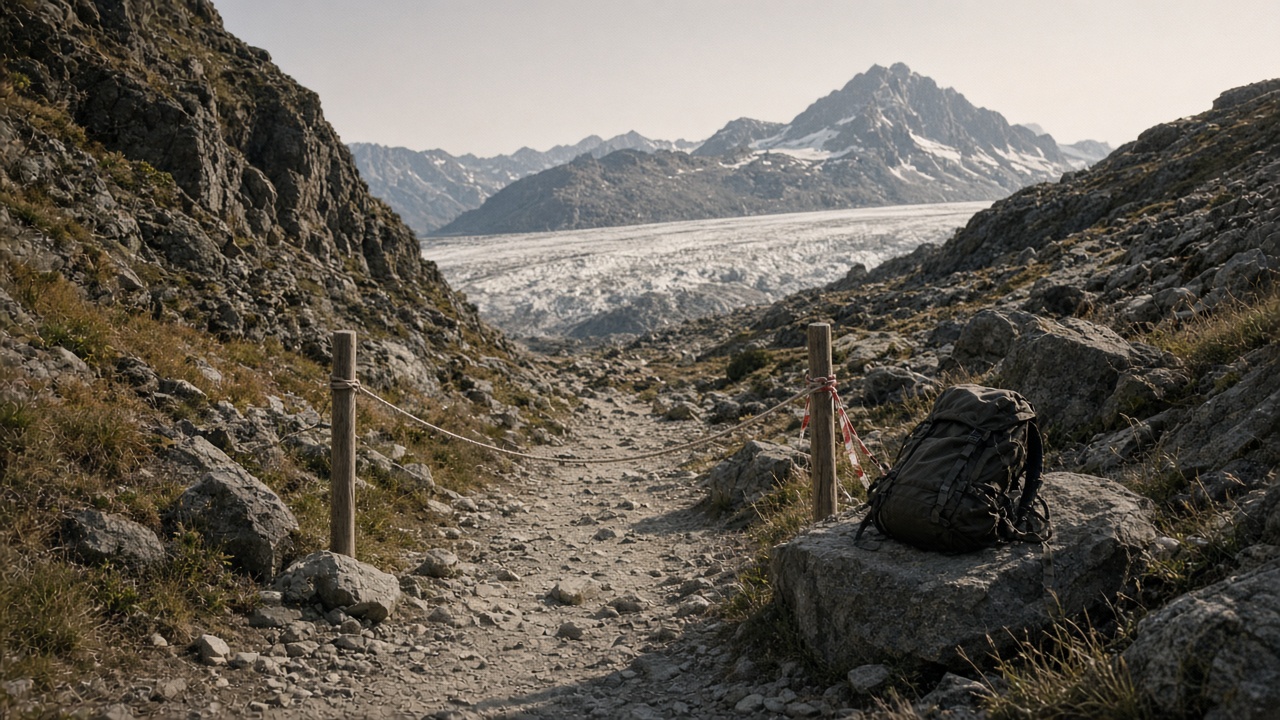
The postcard is still for sale. Some of the paths in the picture are not.
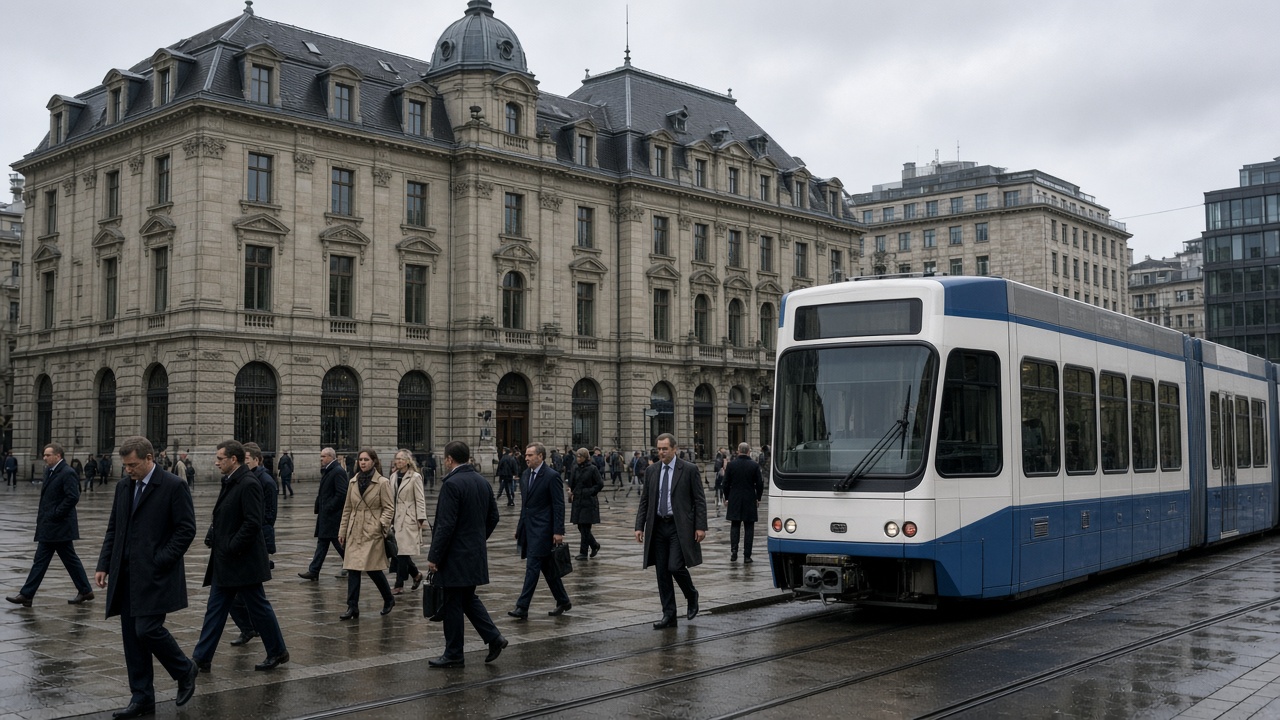
The first political fight of September is about how much equity Switzerland's largest bank must hold after swallowing Credit Suisse.
Aargau police arrested a 43-year-old Swiss man after a Sunday-night shooting at an Aarau rave that killed Maria Spinelli, 22.
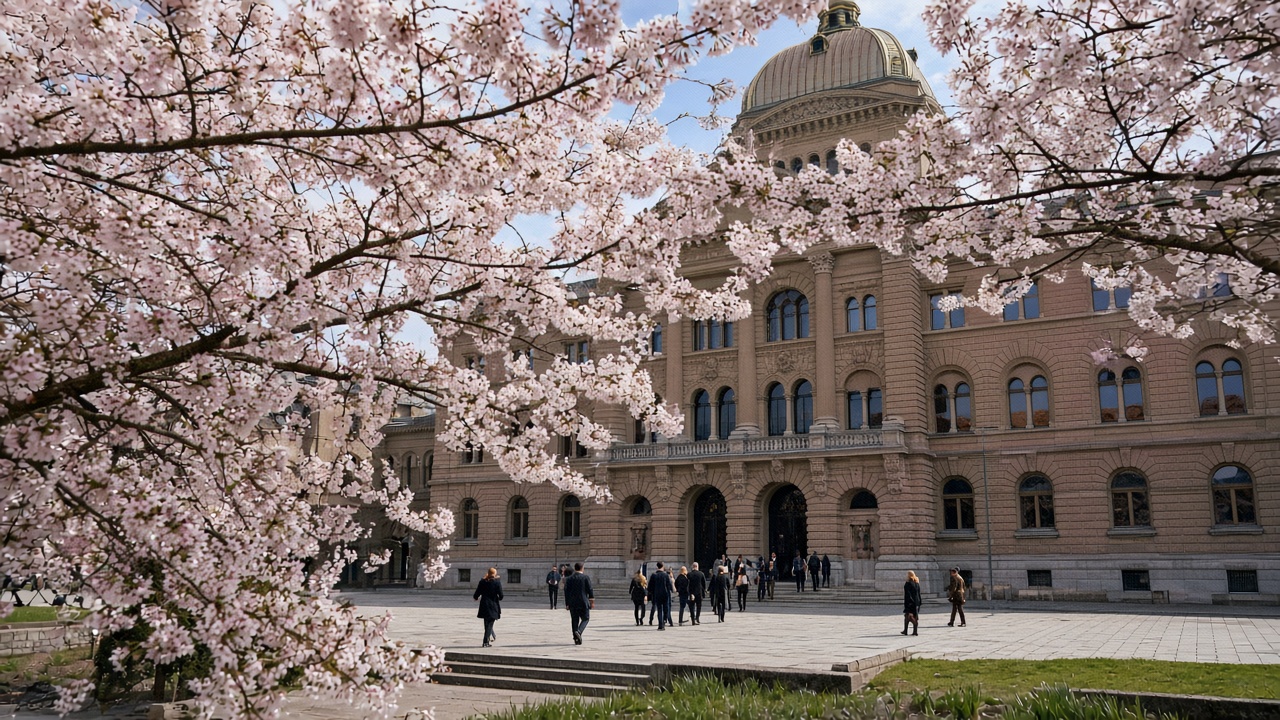
September in Bern is a sitting with a Sunday in it, again.
One Sunday, two pamphlets, and only one conversation that fits on television.
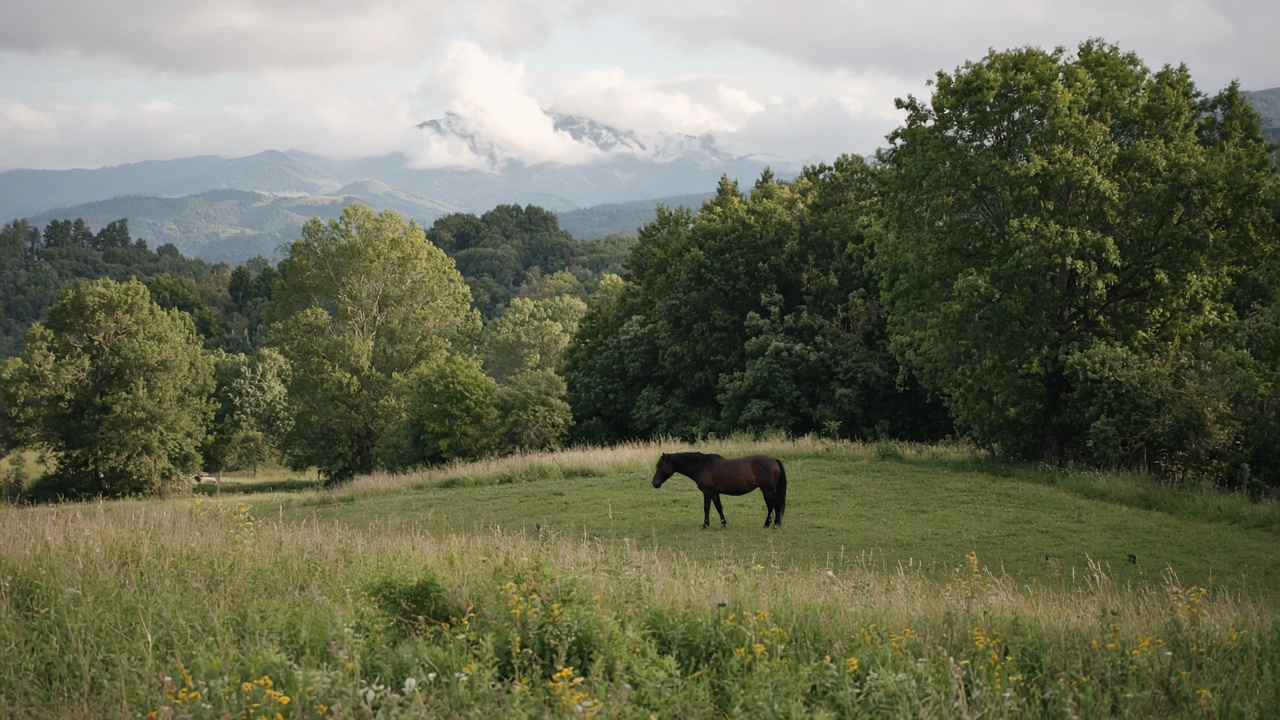
Because the horse had never left the country, the case is the first equine infection acquired in Switzerland, the IVI said.
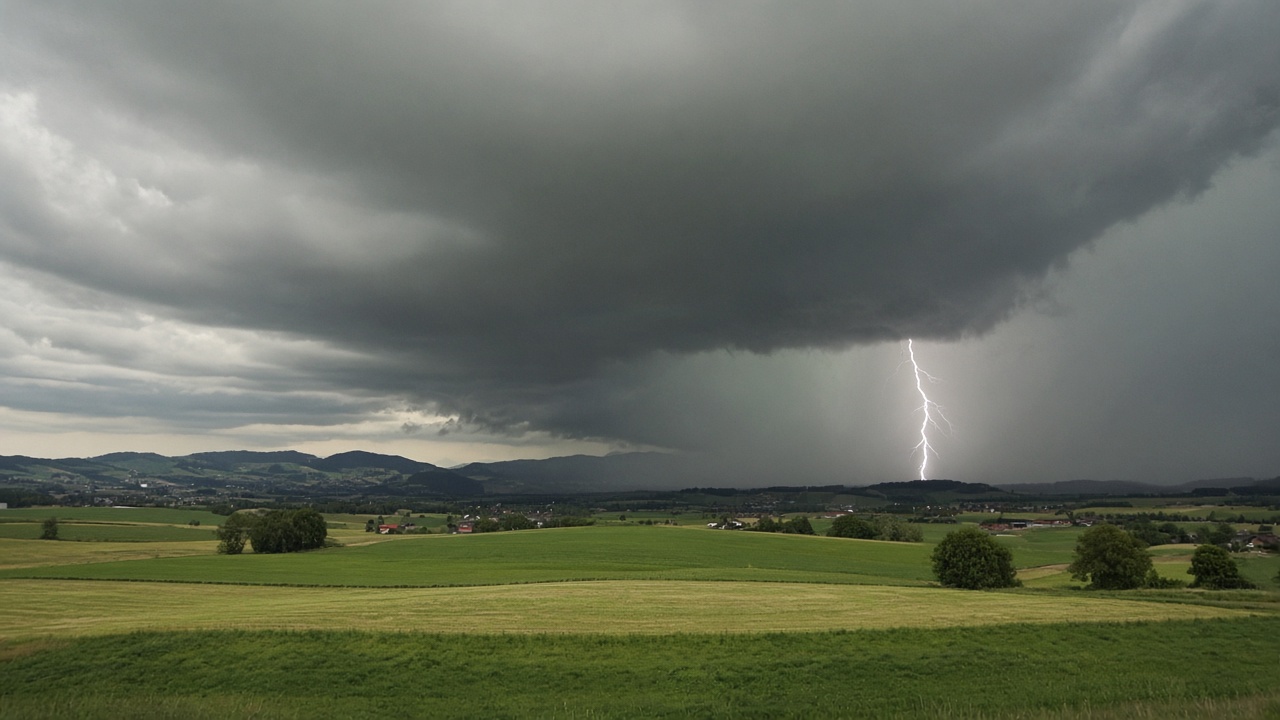
Every five minutes the model reads radar and lightning data and posts the odds of hail, lightning and downpours for the coming hour.
The slogan above the ticket machine is not subtle. That is why it is there.
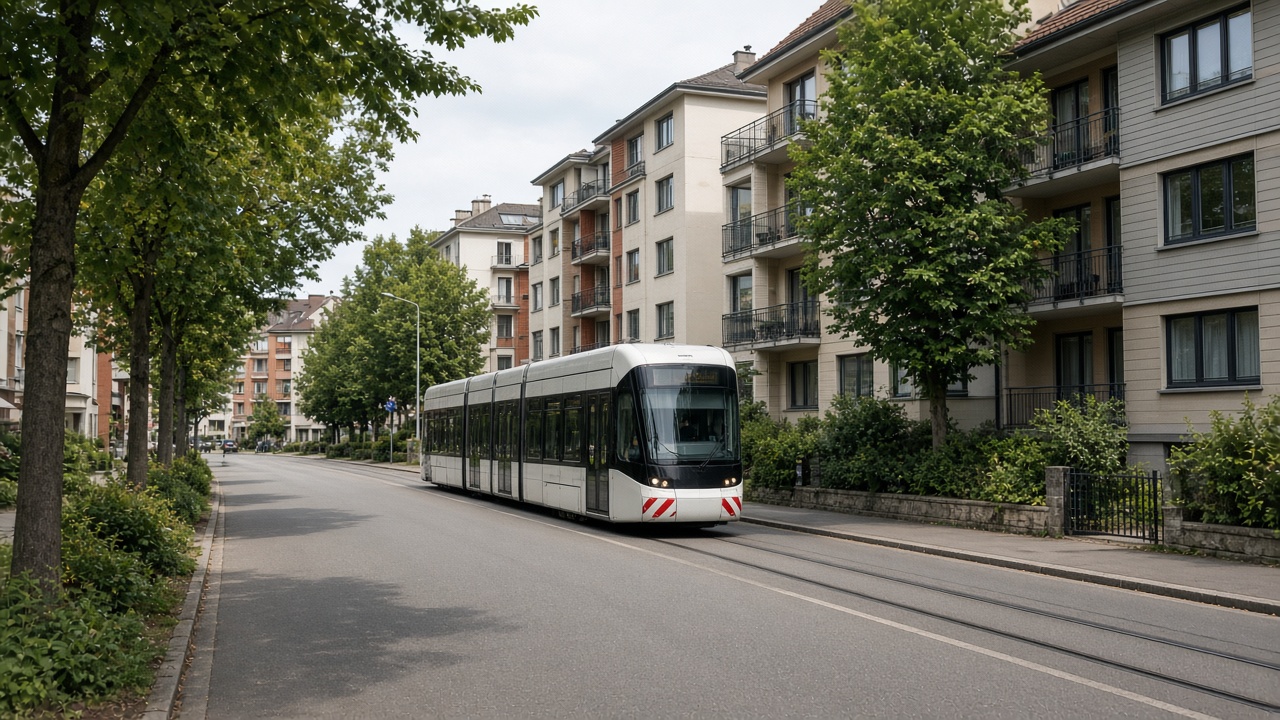
The Real Estate Risk Index slipped to 3.5 in the second quarter, the first easing in three years, with no broad price correction in sight.
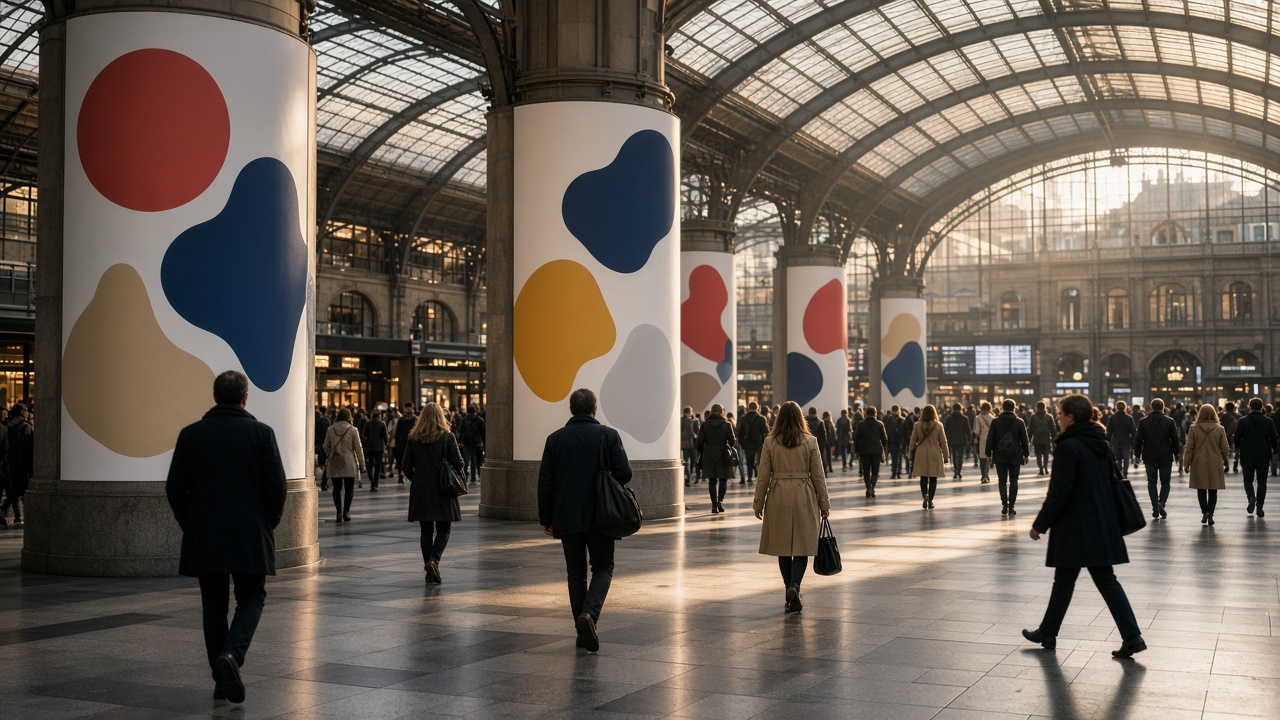
The word neutrality now comes with a URL and a colour scheme.
The flags from 1 August are barely down. The next red square is already a URL.
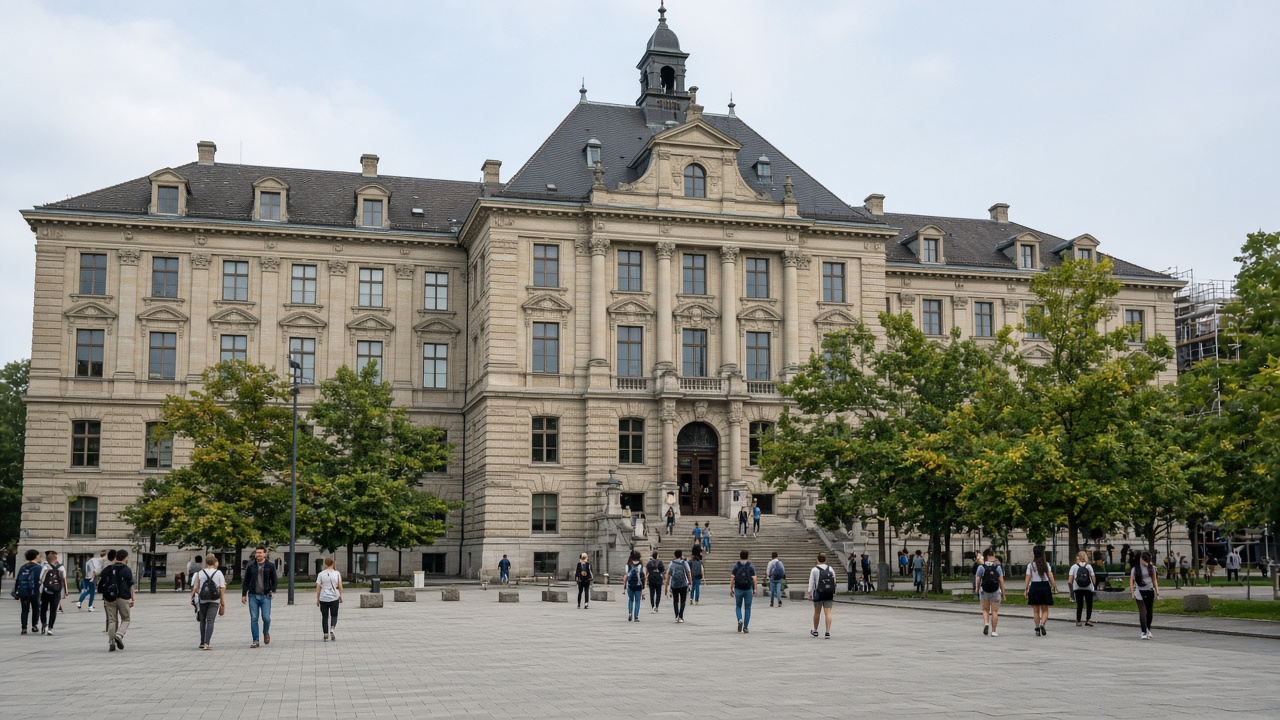
Scientifica, Switzerland's largest science festival, opens in Zurich for a run that lasts until 30 August.
The bank file did not go on holiday. It just stopped giving interviews.
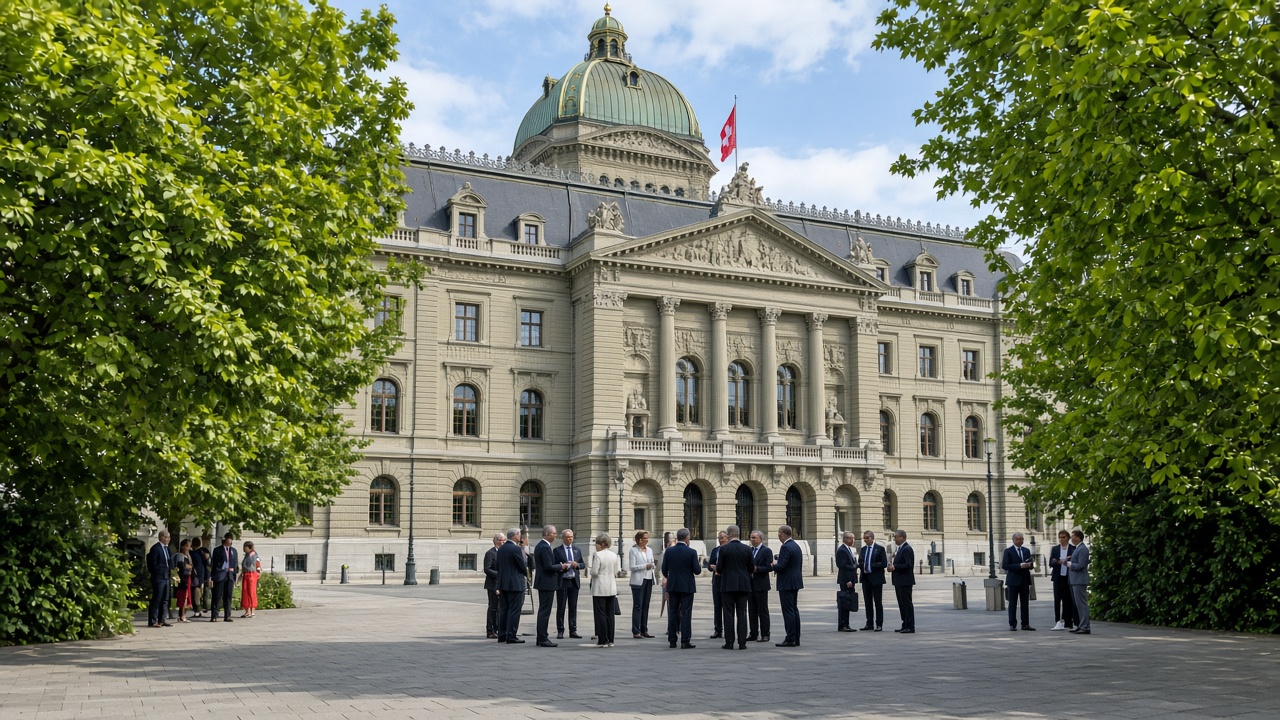
Switzerland and China finished negotiations on an updated free-trade agreement at a meeting in Bern on Thursday.
The hole in the surplus rule is small on paper. Precedents are not measured in millimetres.
The debt brake has a new competitor: the shopping list in the armoury.
A check on Wasserwerkstrasse turned into an assault on officers. Three were sent for medical examination. The suspect was arrested.
Eleven nights on the Piazza Grande are Ticino's other high season, with a red carpet instead of a ski ticket.
Catholic cantons stop for a holy day. The piazza in Locarno does not.
Bern asked for comment until 19 November on governance, FINMA's tools and easier access to National Bank liquidity for systemic banks.
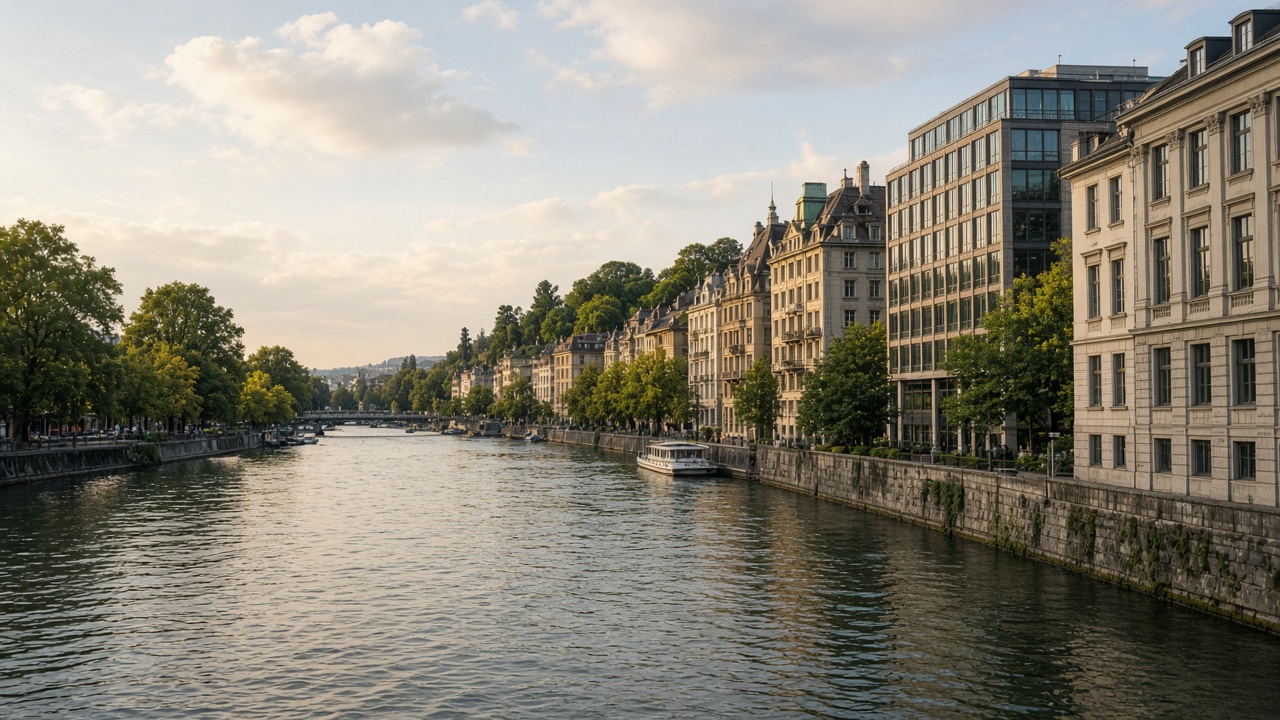
The cabinet rejected a constitutional push to bind Swiss finance to climate and biodiversity targets, and offered no counter-draft.
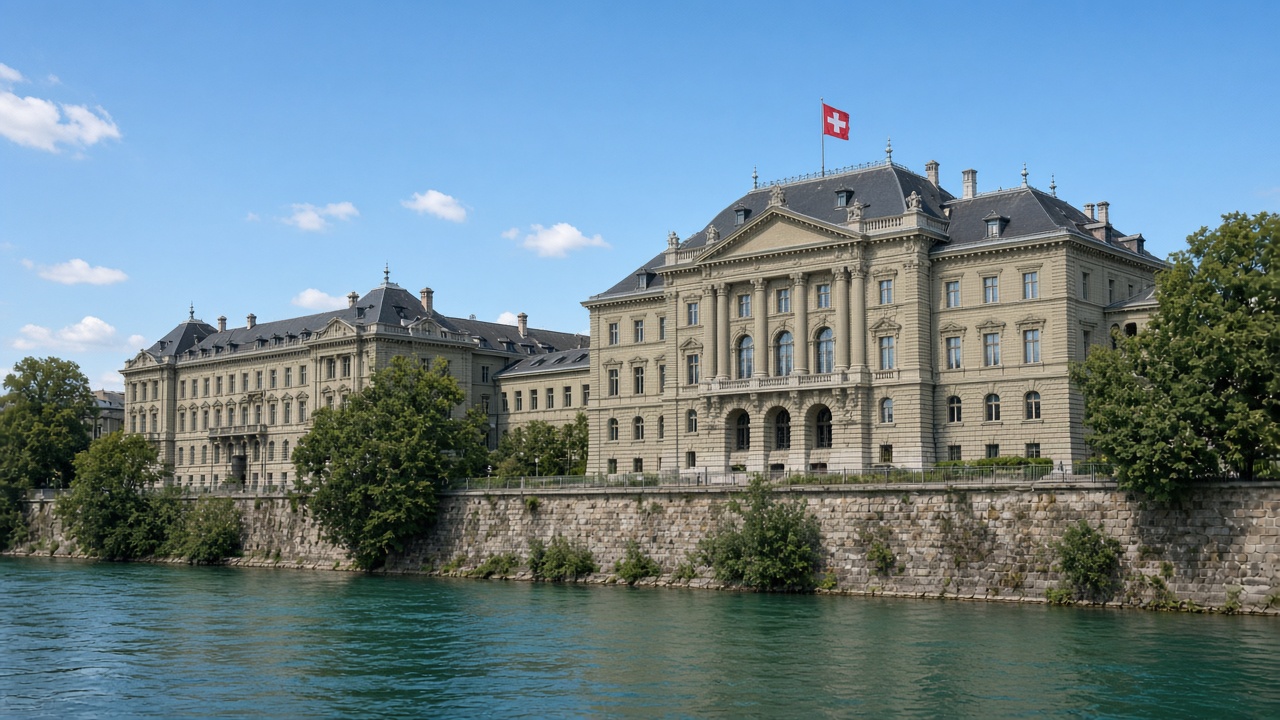
The Federal Council reaffirmed an optional referendum for Bilaterals III and asked senators not to enter a plan for a mandatory vote.
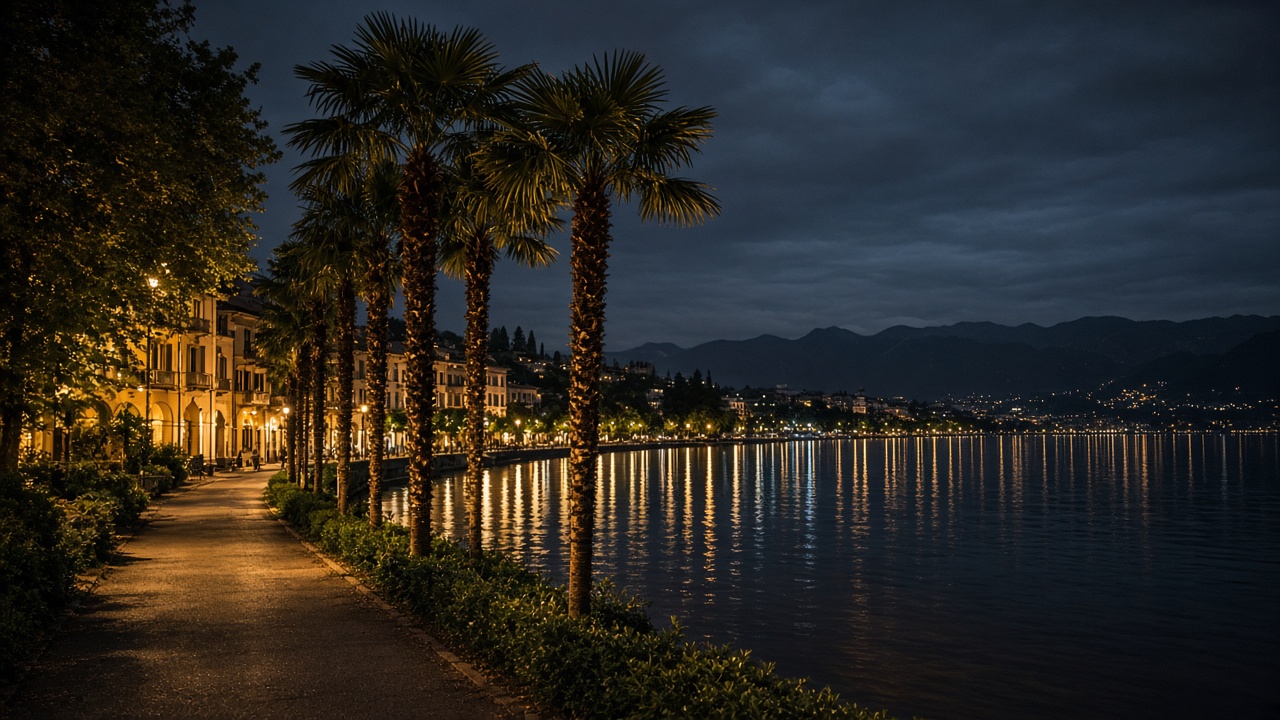
Locarno-Monti has not dropped below 20 degrees on 47 nights, a Swiss record. Lugano stands at 44, and the level-four warning runs to Friday.
The debt brake is about to meet a shopping list. The meeting will not be a quiet one.
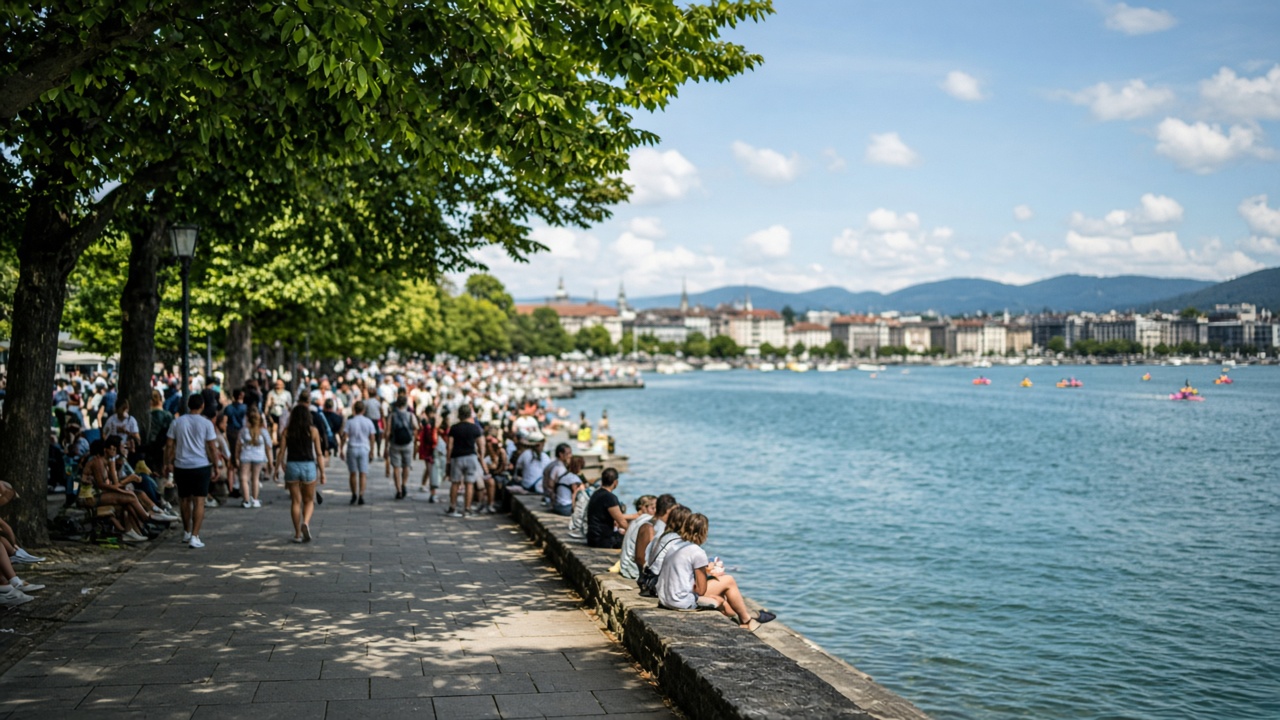
Love mobiles and electronic music take the Zurich lake basin from early afternoon until midnight for the 33rd Street Parade.
The second item on 27 September has fewer posters and the same letterboxes.
August is when a September initiative stops being a legal text and becomes a colour scheme.
Heat in the plateau is still the Alps' most reliable booking engine.
The speeches named security. The fields named a Saturday night.
A Saturday National Day is easier on the office and harder on the lakefront.
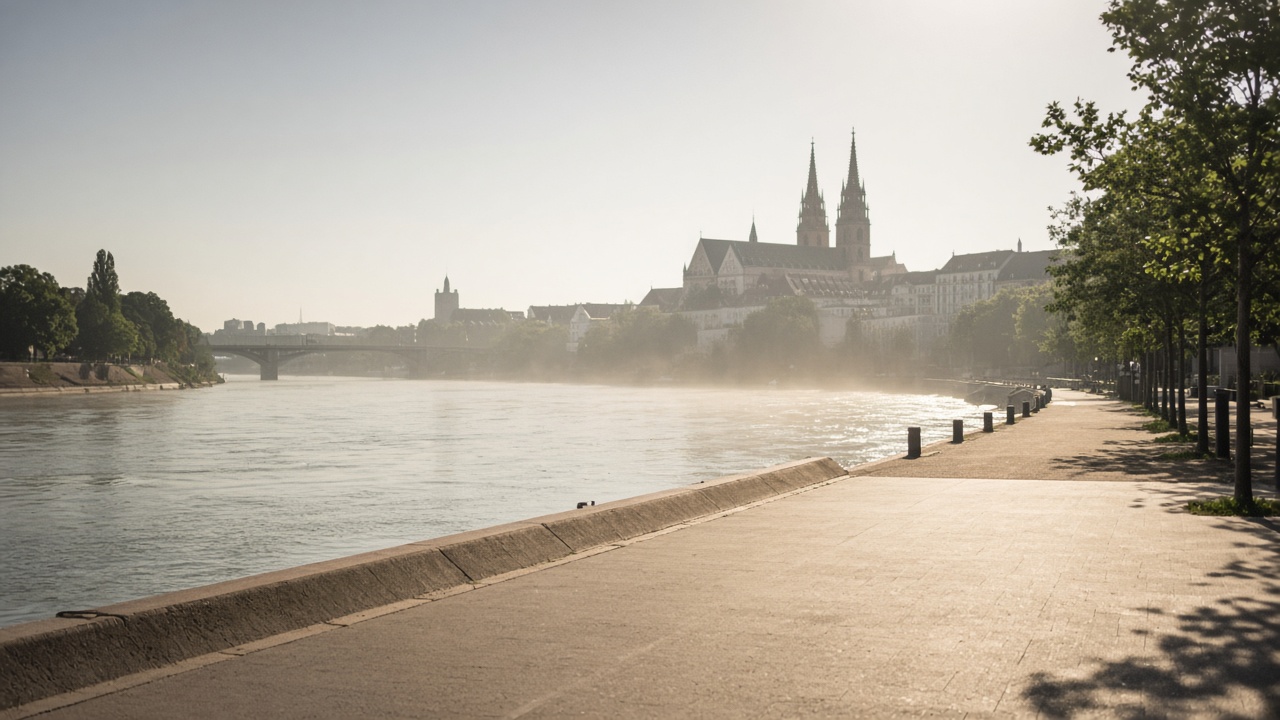
MeteoSwiss recorded 39.7 degrees at Basel-Binningen, matching the hottest day ever measured north of the Swiss Alps.
The tape is not a metaphor. It is a piece of plastic across a path that used to be in the brochure.
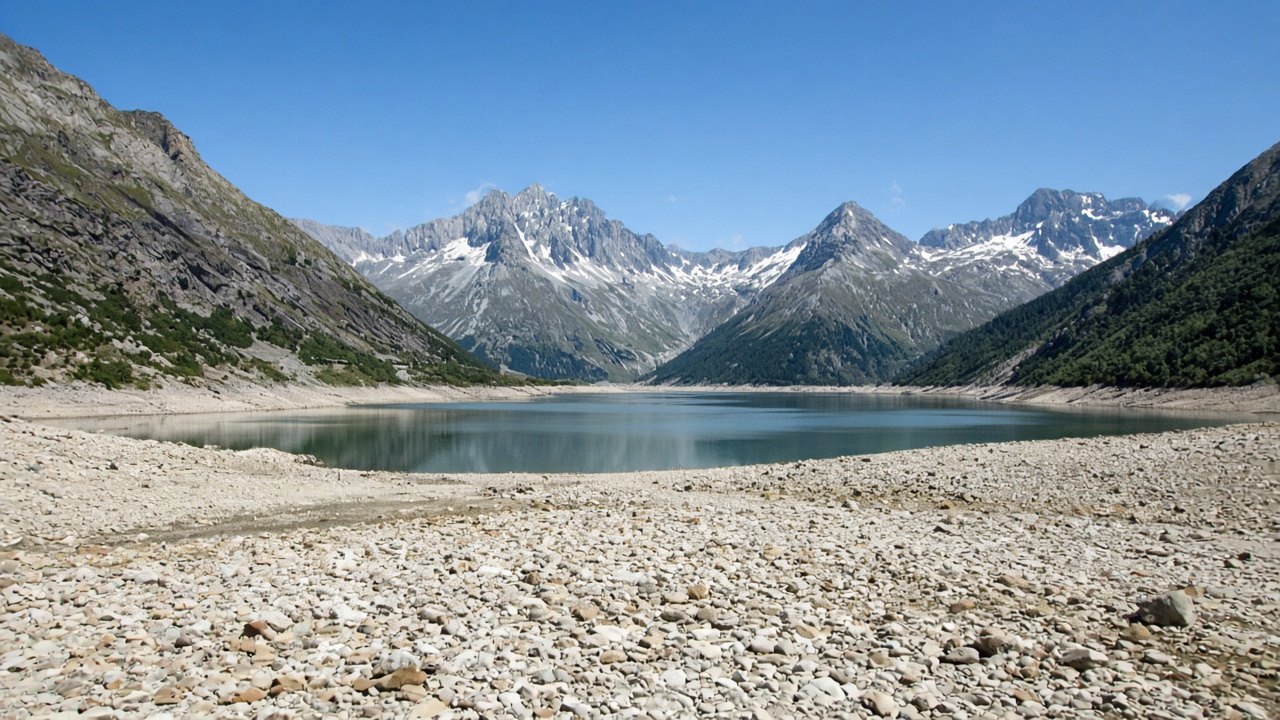
A month after the top drought alert, MeteoSwiss says mid-July rain has not repaired reserves. Major lakes are running low for the season.
The federal holiday is a local production. Bern only writes the date.
When the air sits still over the bay, the city moves its life to 6 a.m. and to the water.
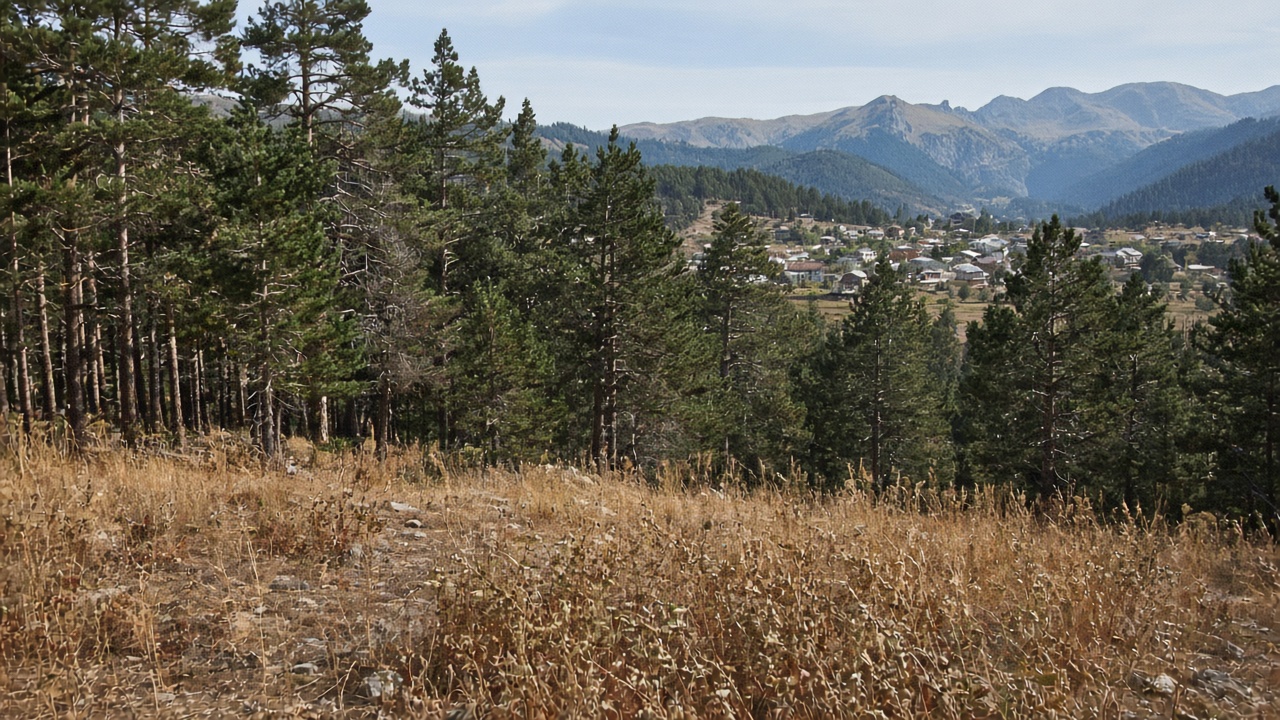
Bern forbids fires within 50 metres of woods and bans fireworks canton-wide. Basel-Stadt moves to danger level 5 from Friday.
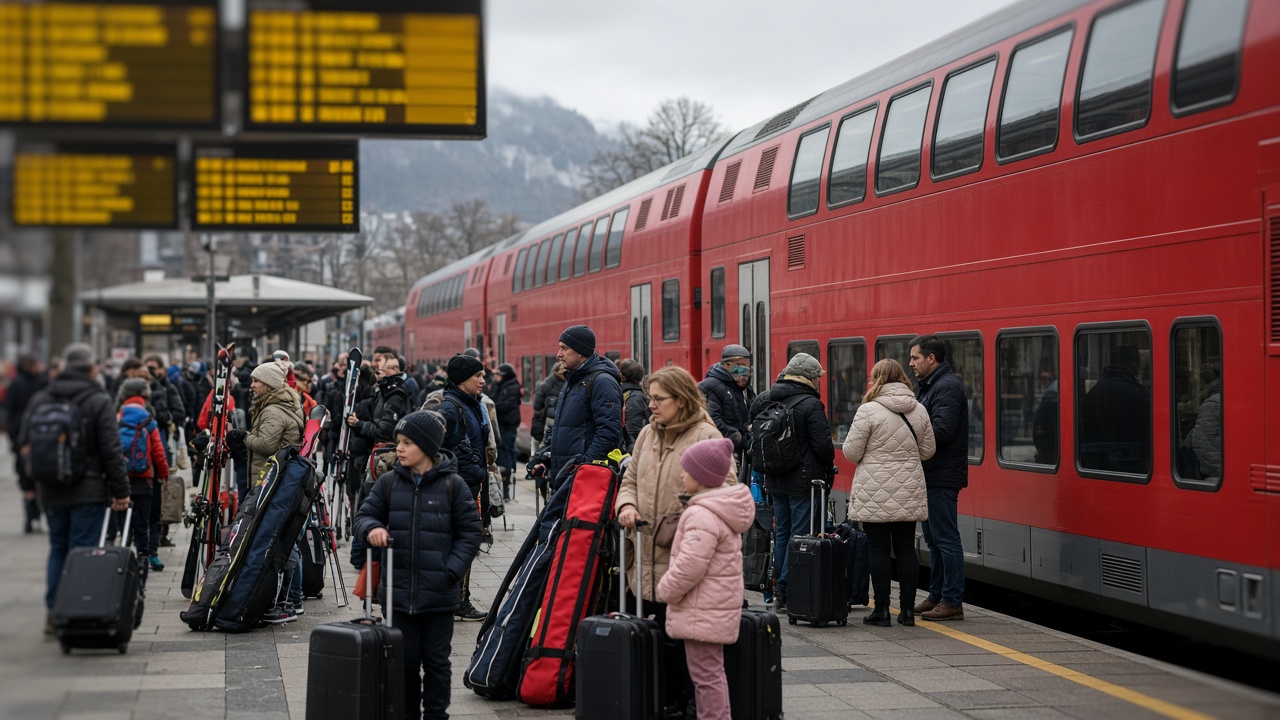
The holiday timetable is also a construction timetable. Passengers notice only the second fact.
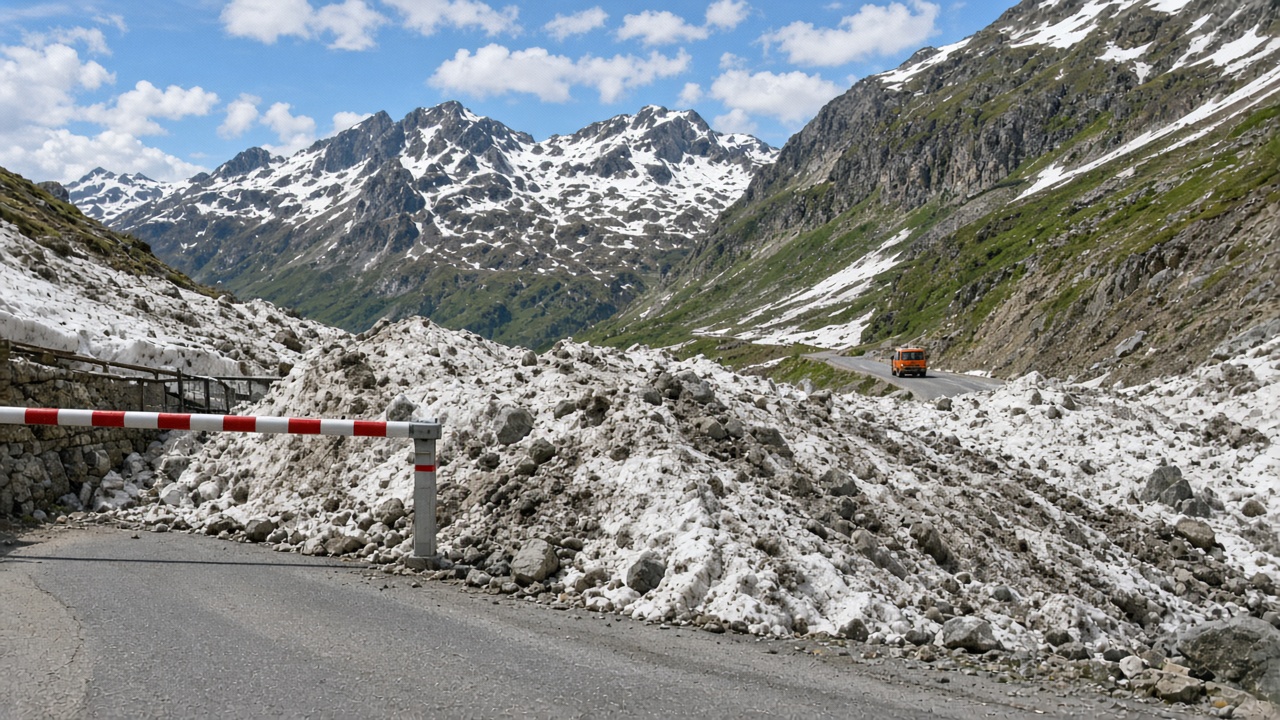
The postcard is for sale in every window. Some of the paths in the postcard are taped shut.
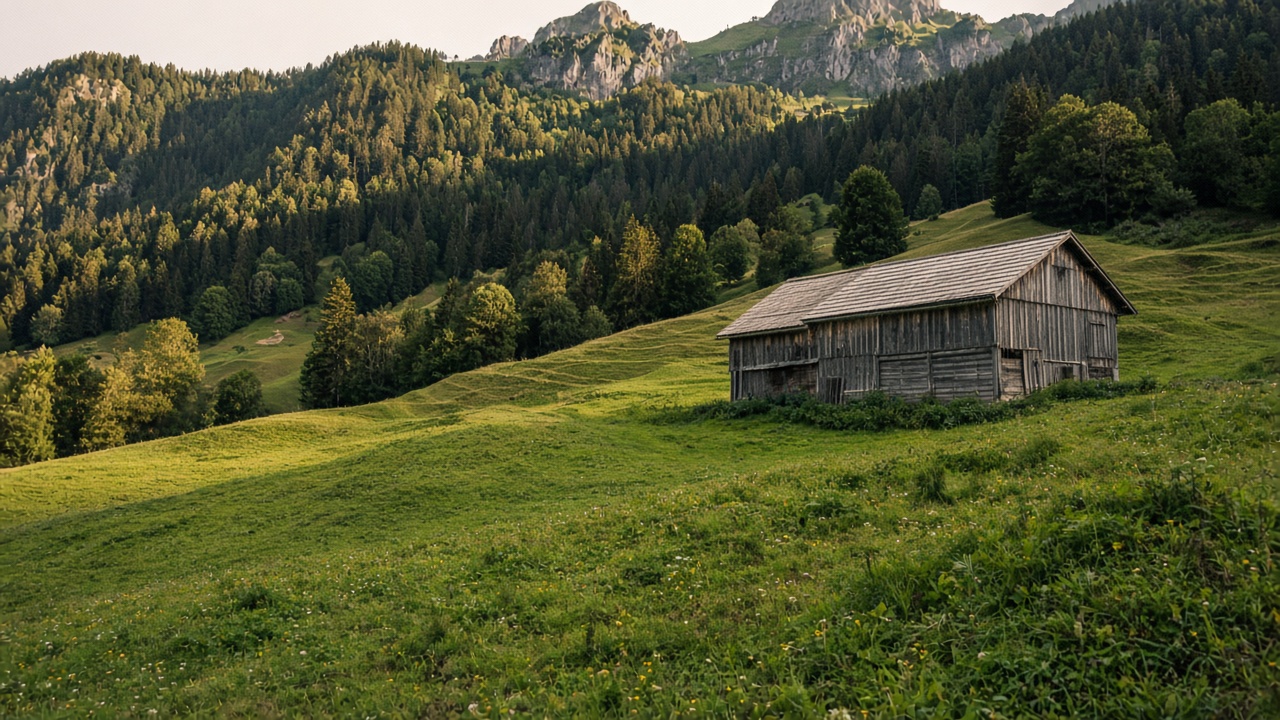
Canton Bern said a wolf is the likely cause of a calf's fatal injuries near Schattenhalb, and that shooting is not allowed in the reserve.
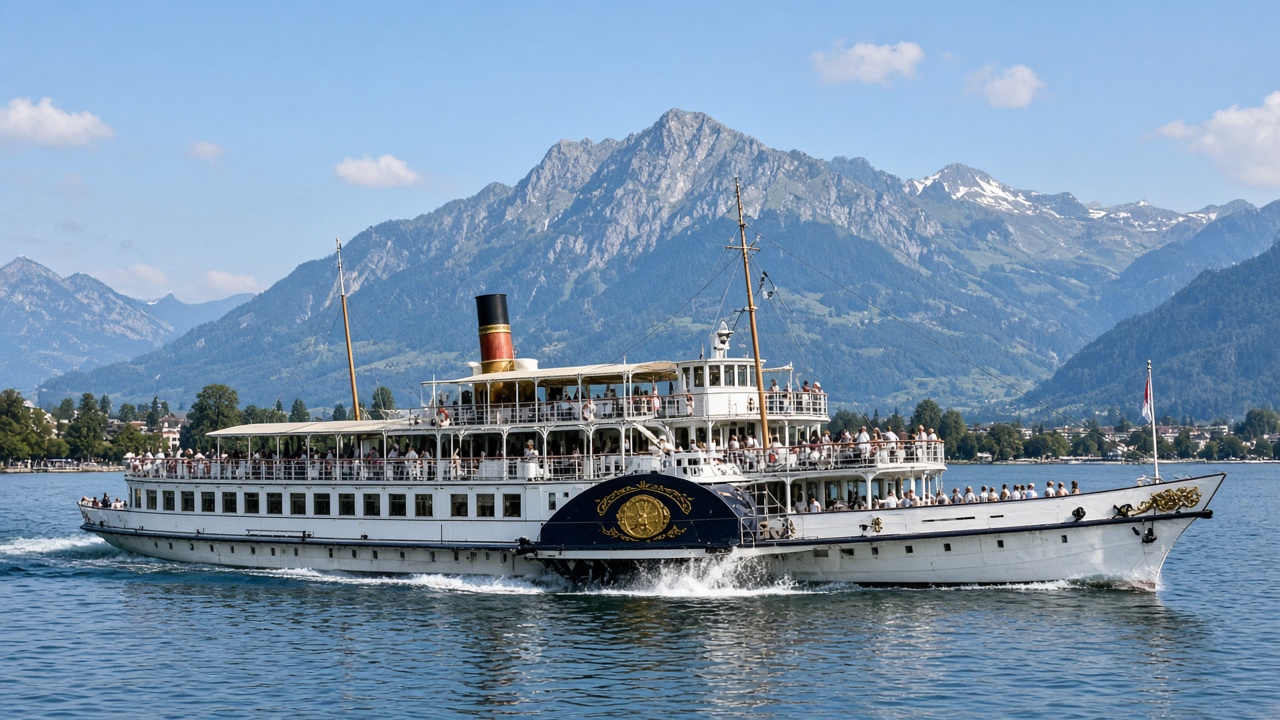
The paddle steamers were full. The high tours were more cautious than the postcards.
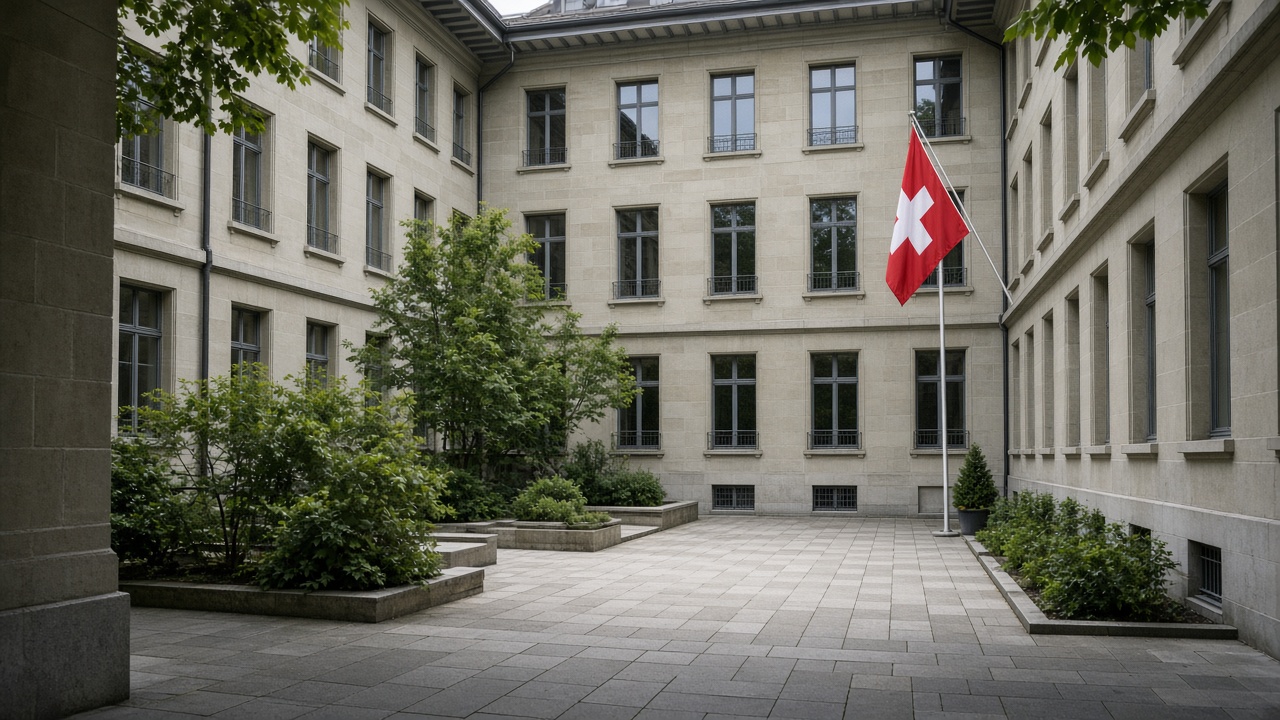
The migration secretariat recorded 9,734 asylum claims from January to June, 16 percent fewer than in the first half of 2025.
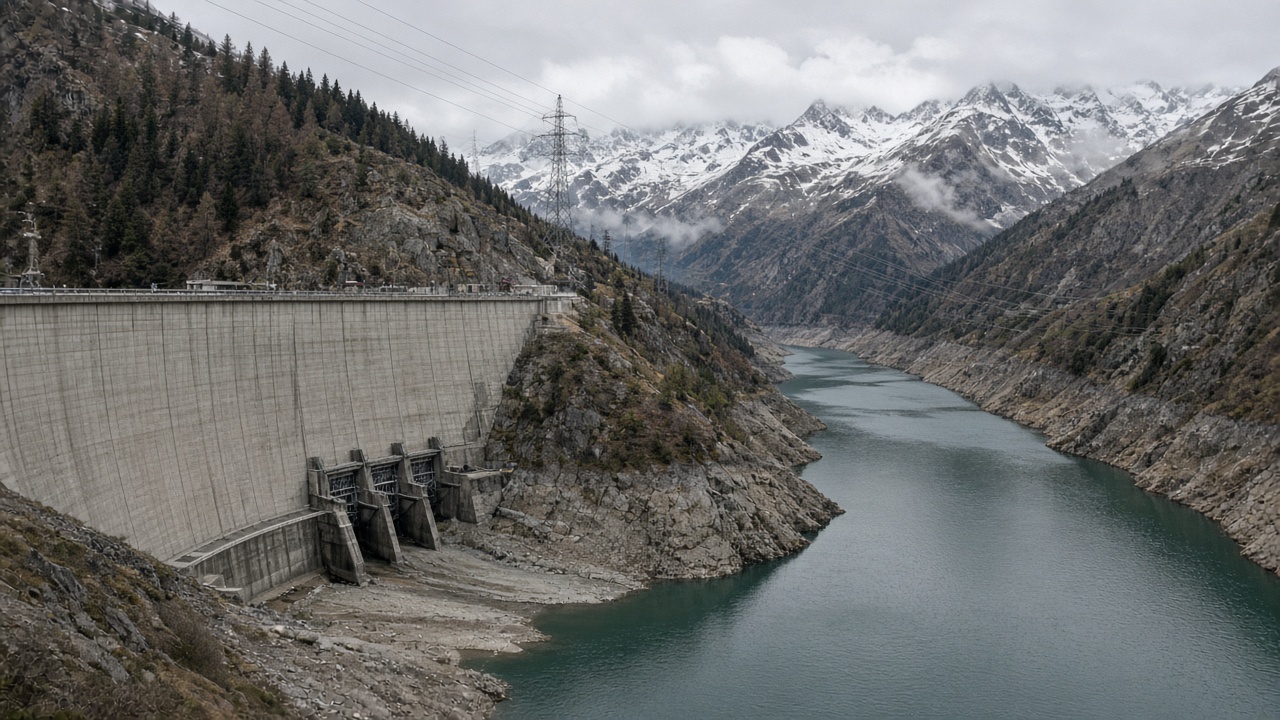
Swiss buildings were good at keeping winter in. They are still learning how to let July out.
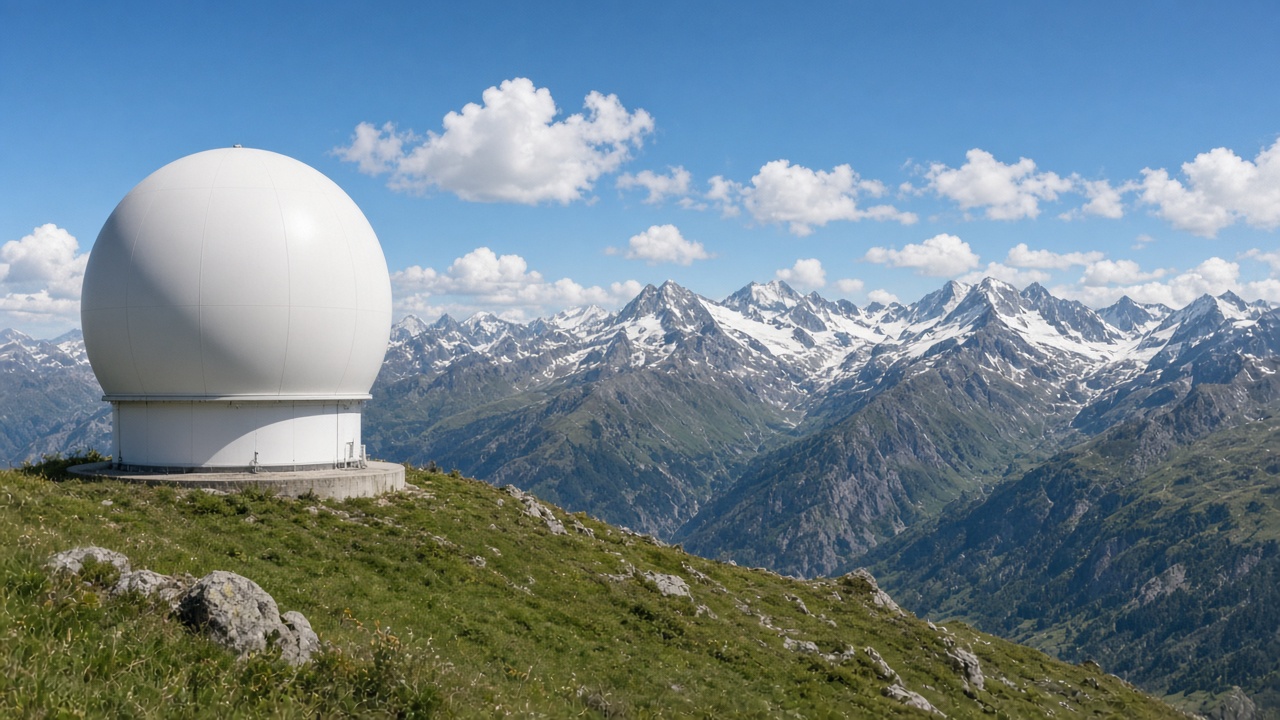
Stefan Uhlenbrook told Blick the 27th austerity package hits a service that is already lean, and that old radars mean worse warnings.
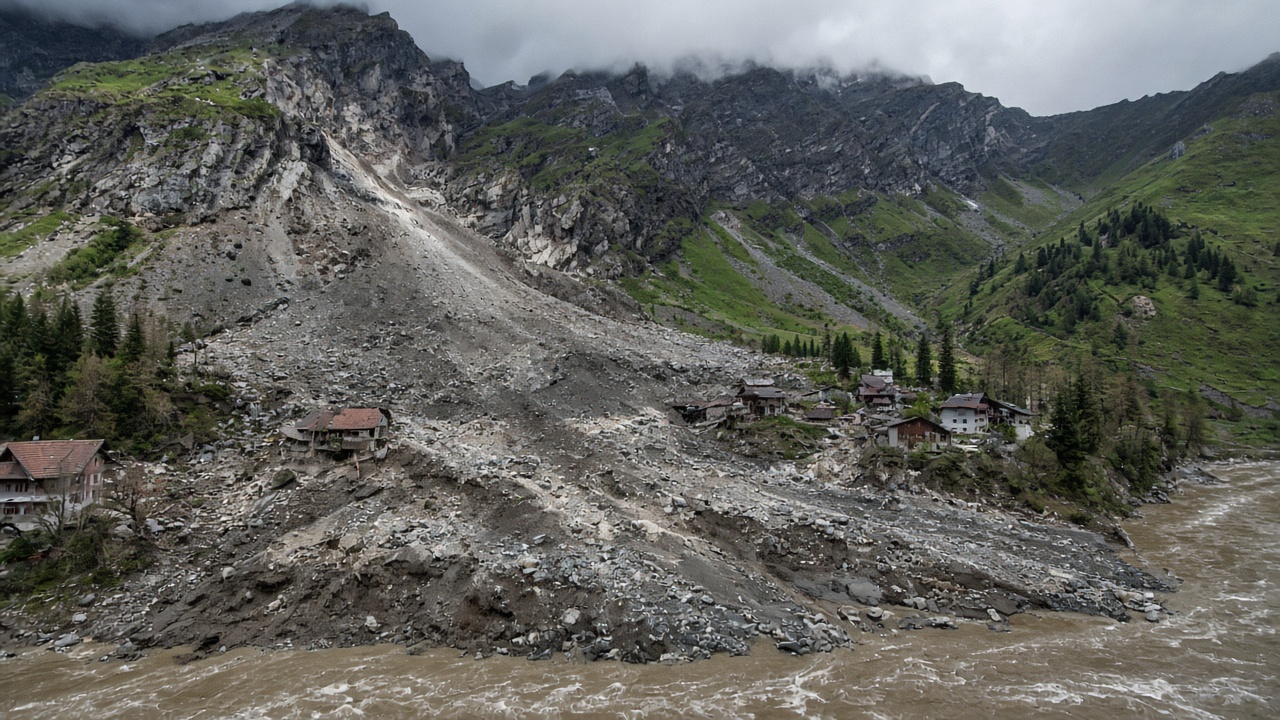
The high village still sells a view. Some of the paths in the view are no longer the product.
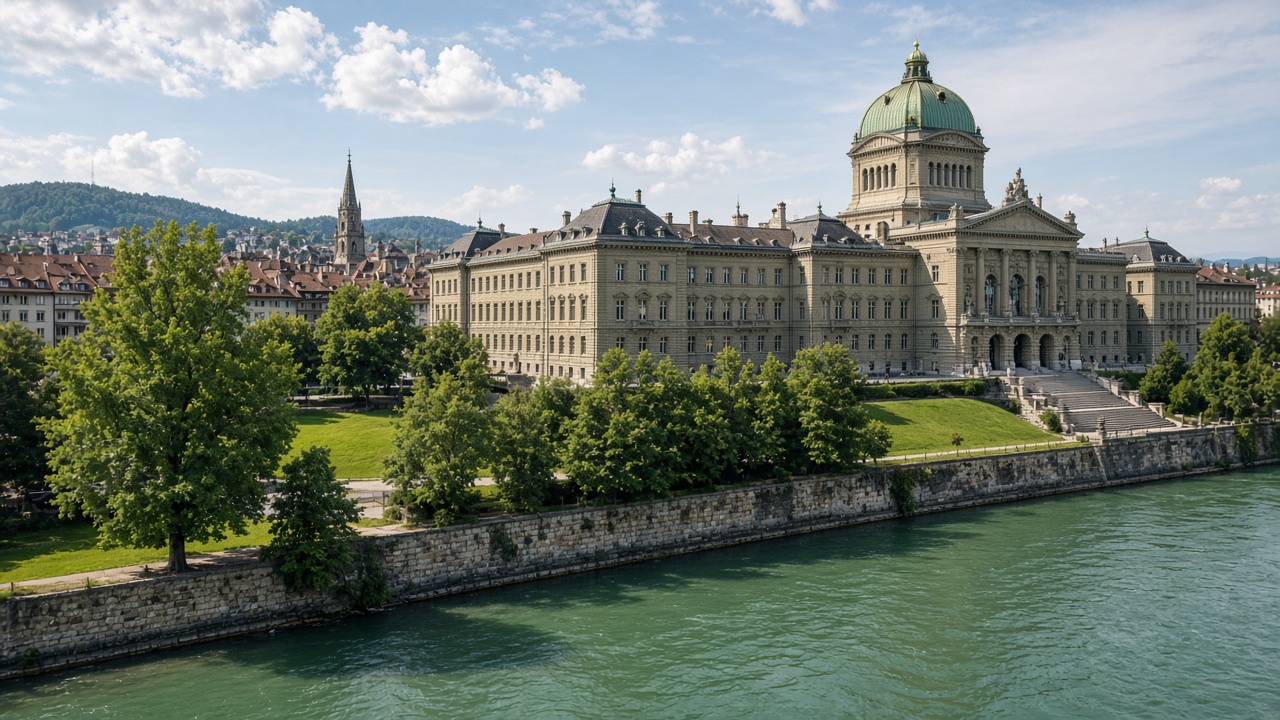
Cassis said the choice of an optional referendum, without a cantonal majority, also has a tactical purpose: to give the EU package a realistic path.
A dry week in the Broye is a water conversation before it is a food-security conversation.
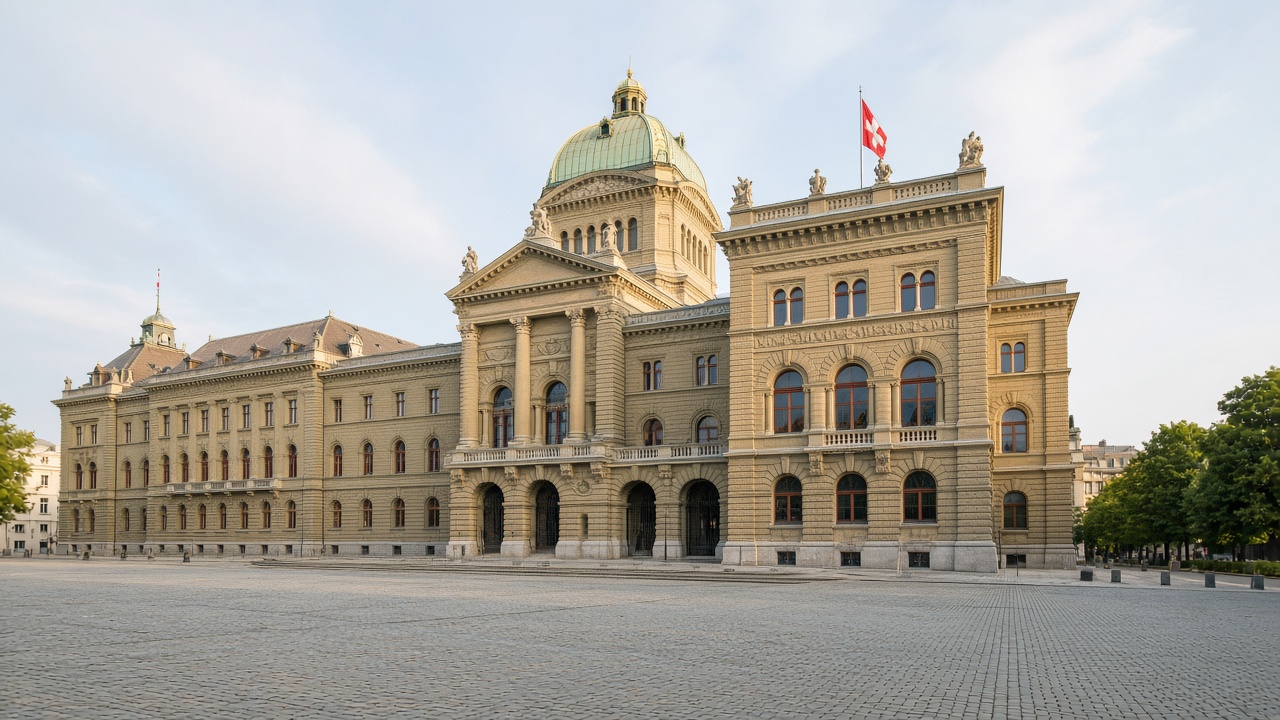
Ministers want health harm from sexual assault, including attacks on unconscious people, to count as an accident for insurance.
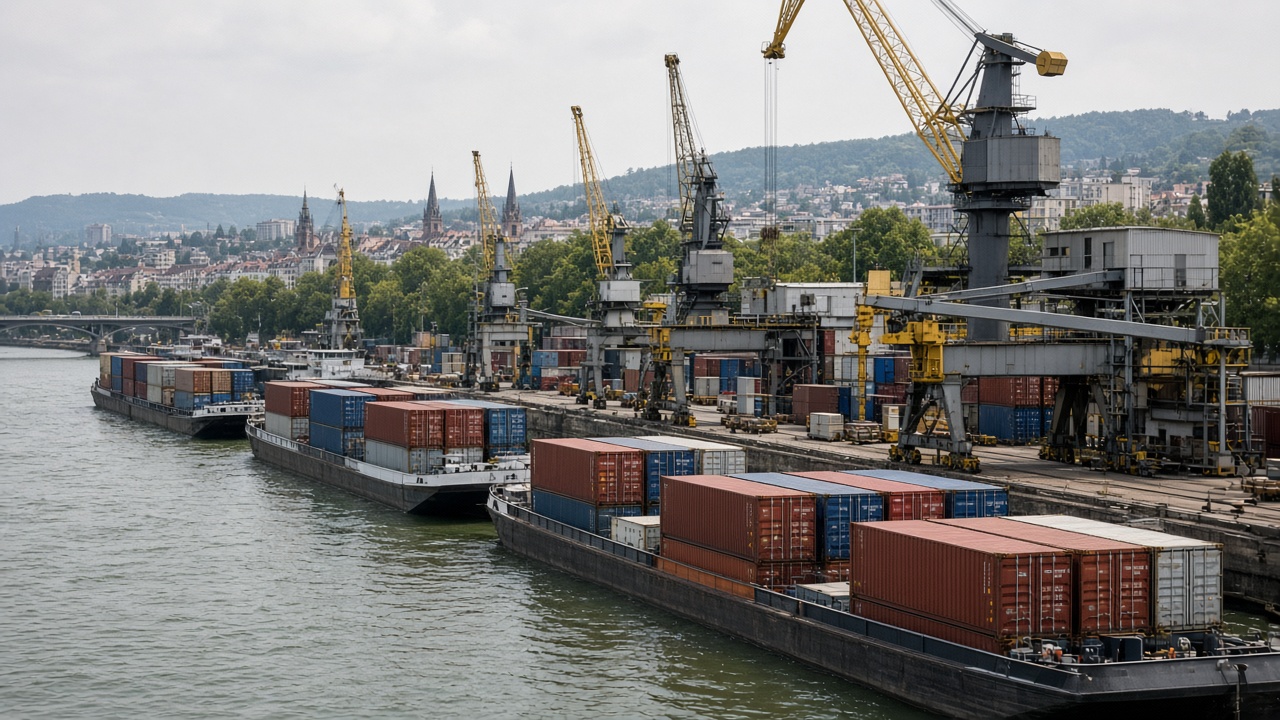
A boring river is good news in a city that imports by water.
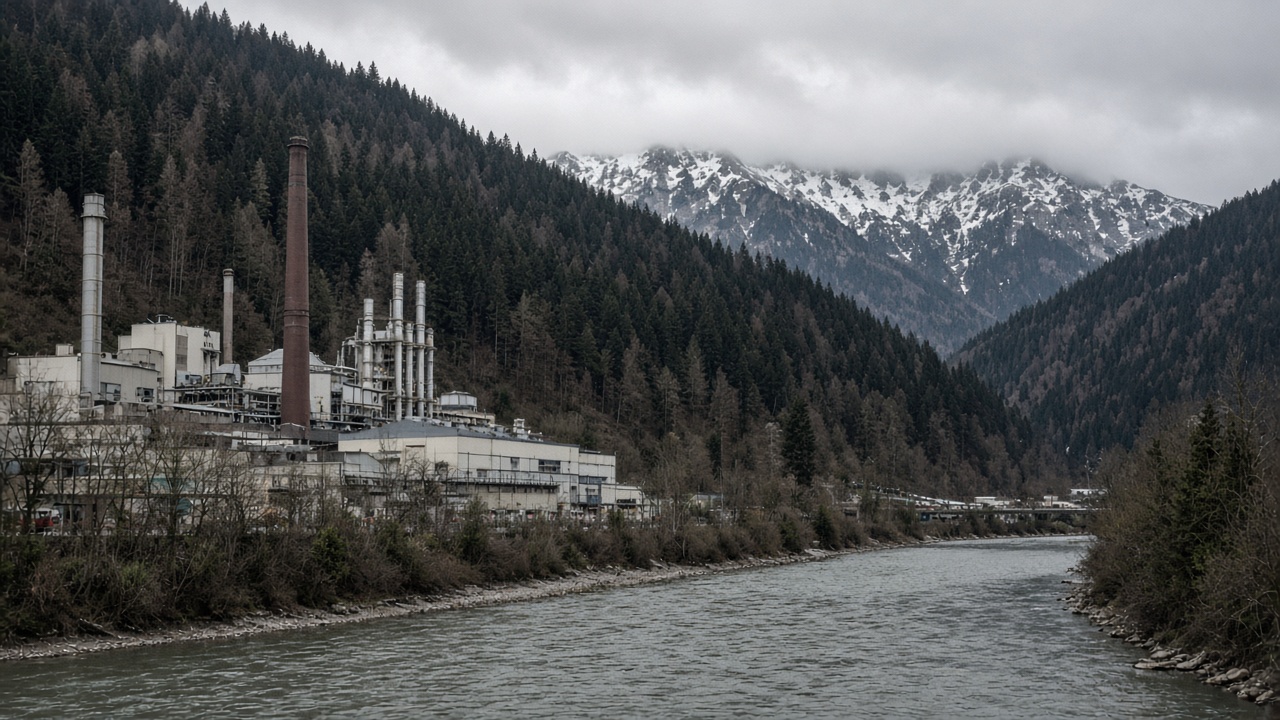
The first warning is always about water, shade and the people who live under a roof that was designed for a cooler century.
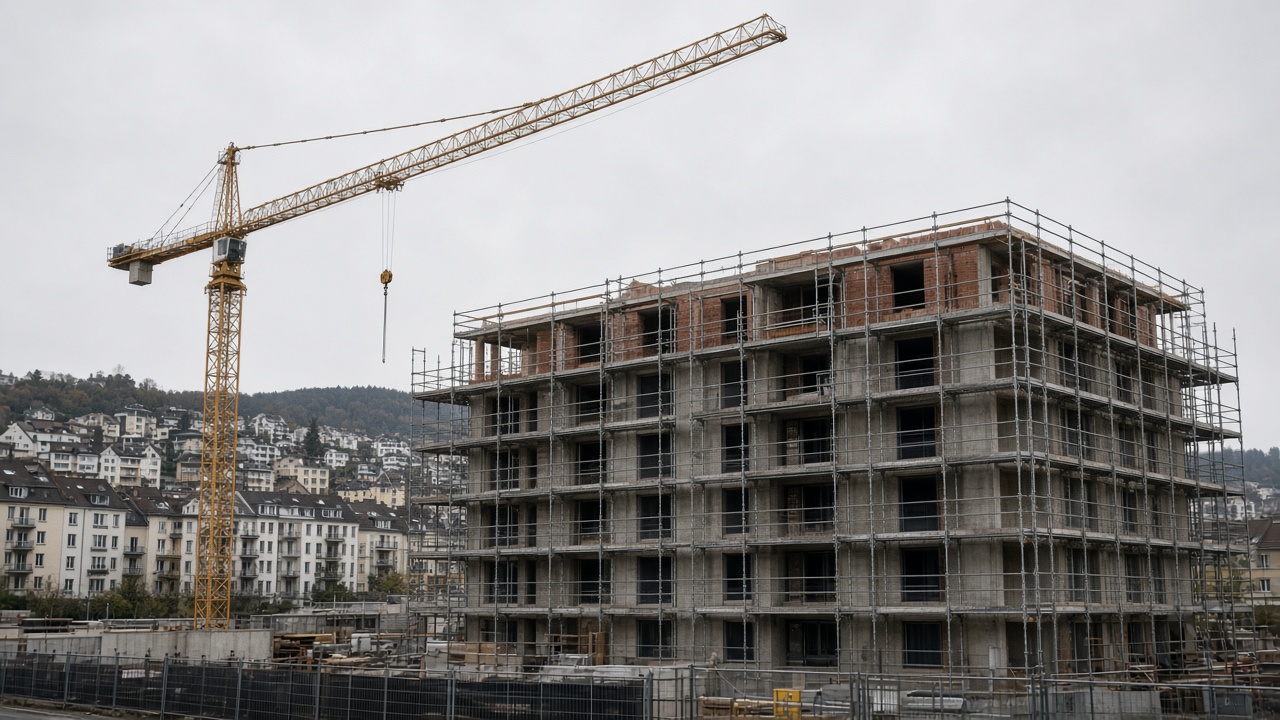
The first six months did not deliver a boom. They did not deliver a bust. That is a Swiss kind of news.
Along the Rhine the first half is measured in product cycles, not in ballot nights.
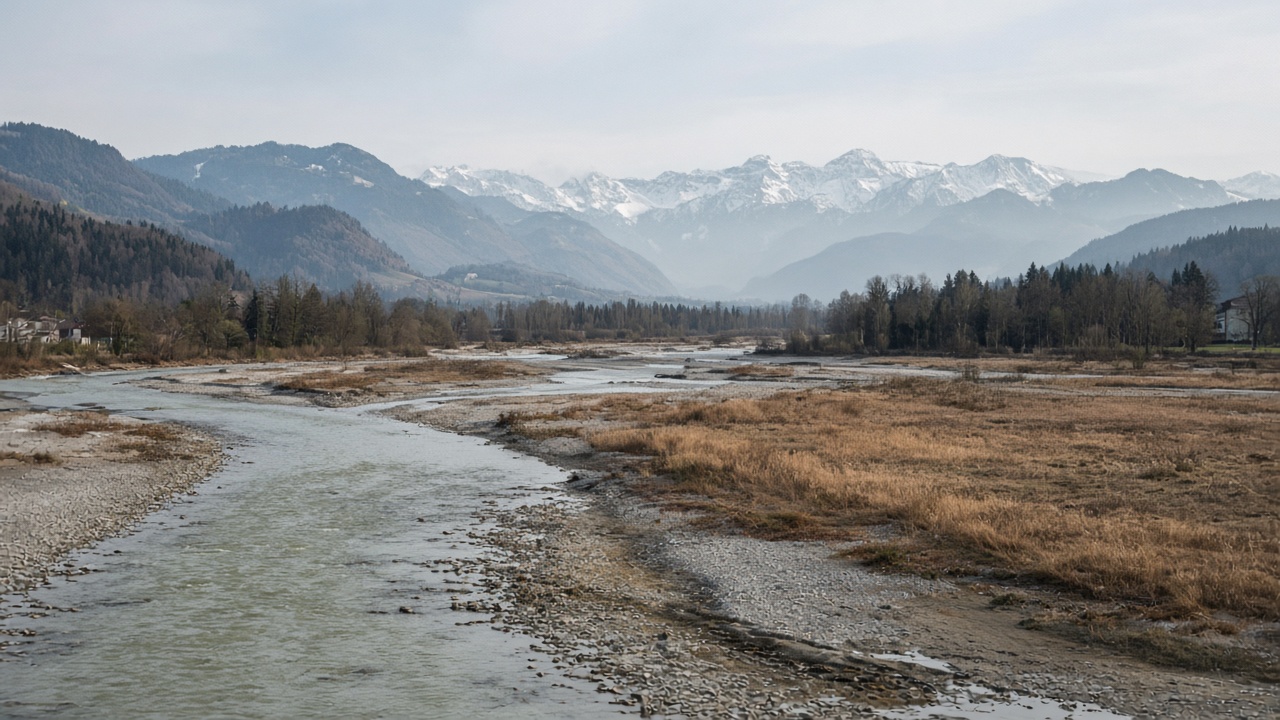
Bern raised the national drought alert to the maximum on 25 June. Rain since April has run at about half the usual amount.
The tables went up three days after the gavel. That is how a parliamentary yes becomes a maybe.
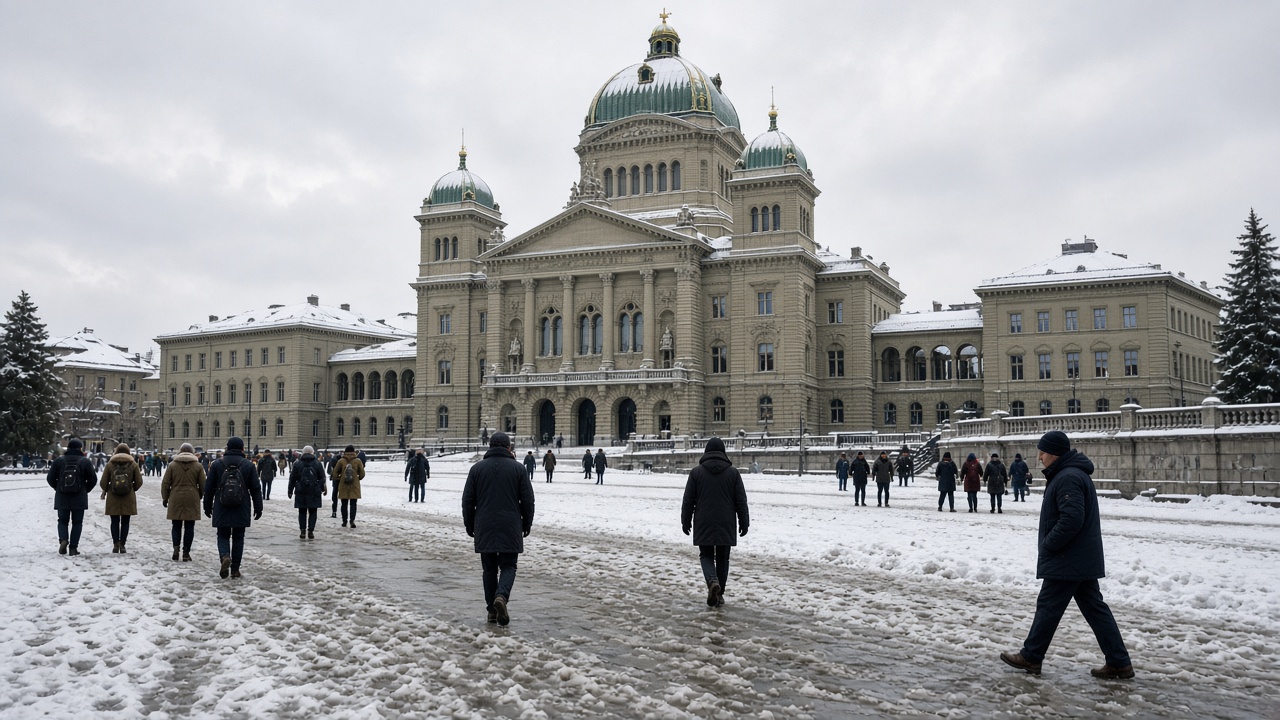
Three weeks in June produced a legal door for nuclear, a political wall for Mercosur, and a petition for the summer.
The SNB held at zero, forecast Swiss growth of about 1 percent this year, and raised its readiness to resist a sudden franc jump.
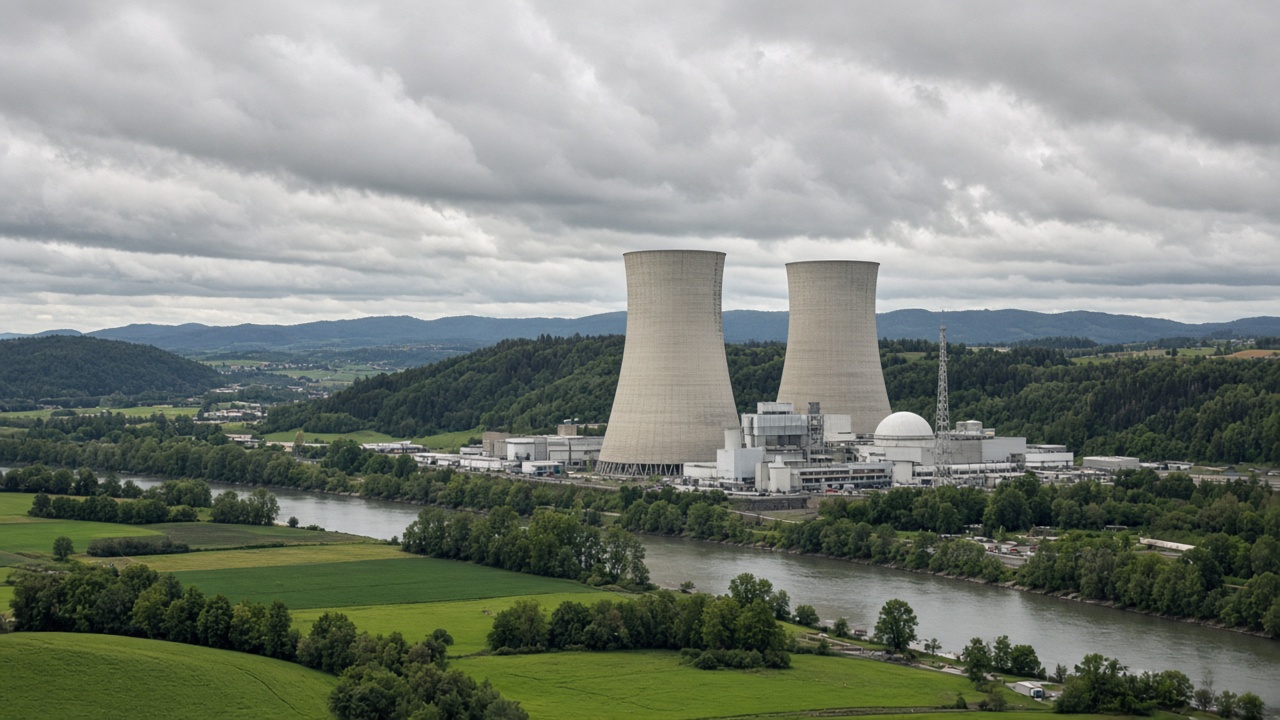
The law that closed the nuclear door is being taken off the hinges. Voters will get the last word.
Tomorrow's parliamentary yes is not the last word. It is the starting gun for a petition.
Tuesday's sentences were already written on Sunday. They were merely given percentages.
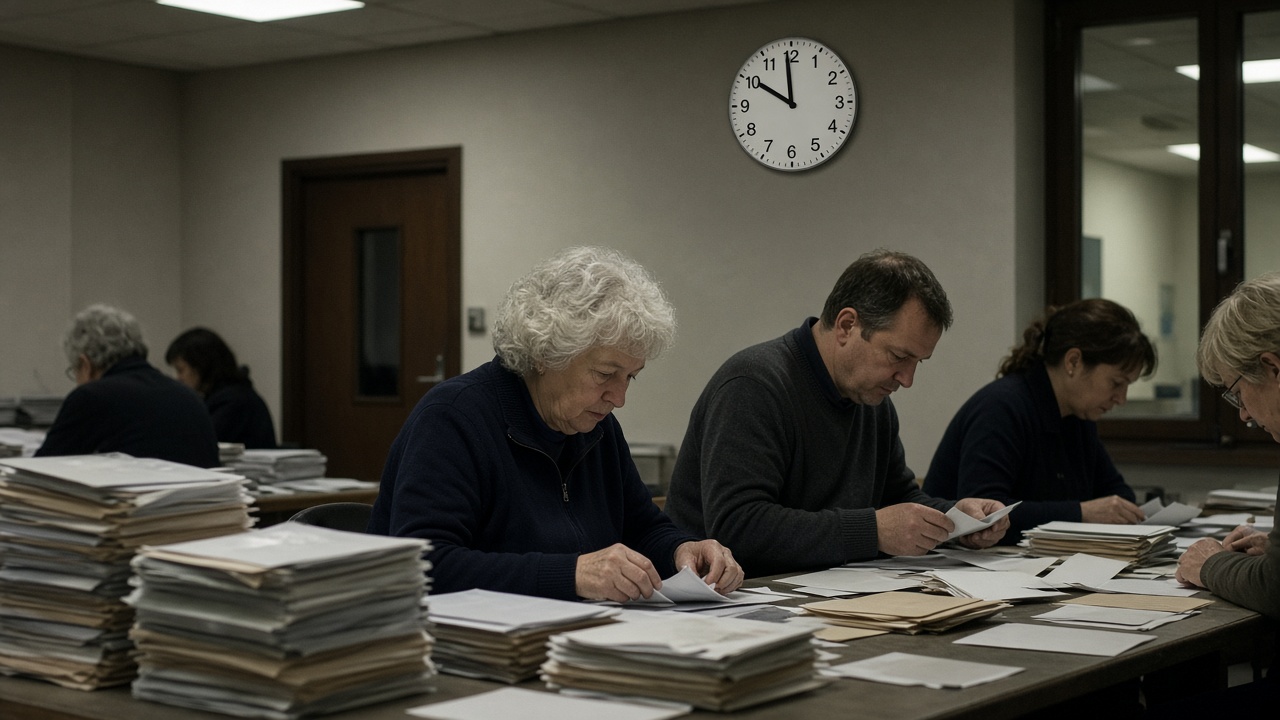
Losing an initiative is not the same as losing an argument. On Monday both sides proved that.
The army got a stickier door, by a margin that would fit on a single refresher company.
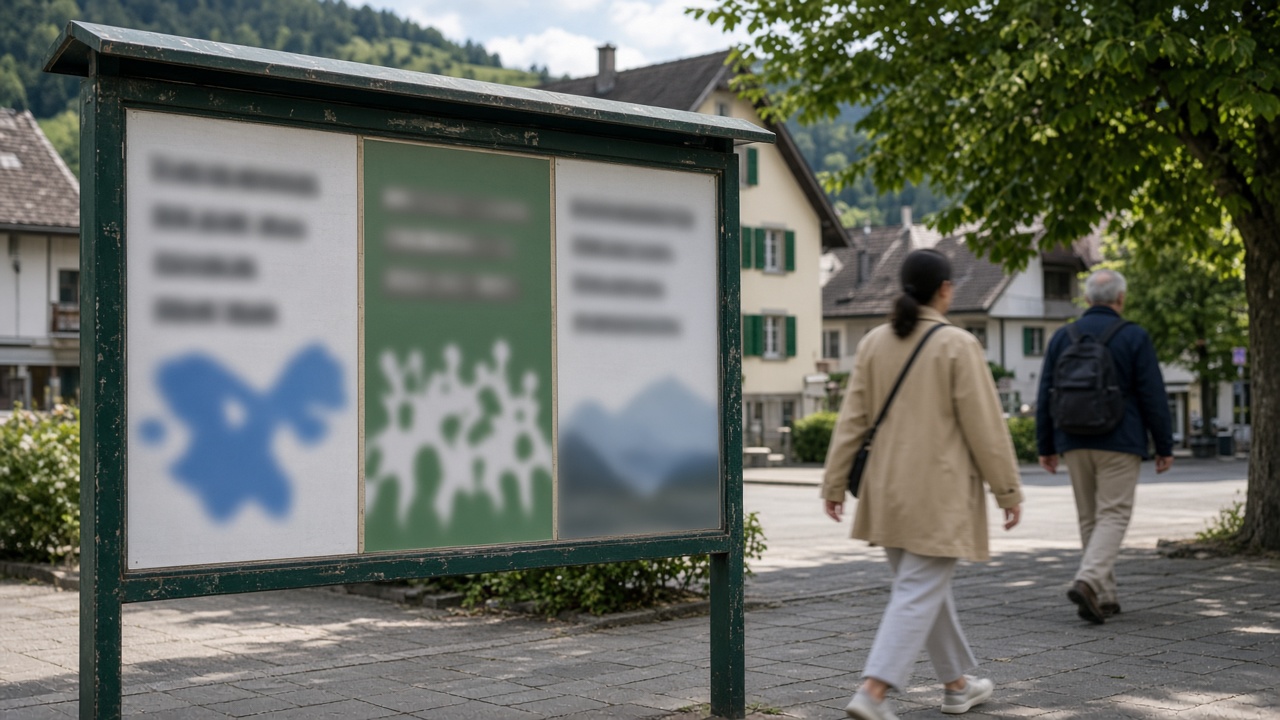
The number on the poster did not become a clause. It became a 45 percent warning.
The gymnasiums opened. The crates that arrived last week may already have decided the shape of the night.
A market Saturday in Winterthur is a good place to learn which argument still needs a flyer.
The first parliamentary no was loud. It was not, it turned out, the last word.
The government's last sentence was long. The campaign's last sentence was a number.
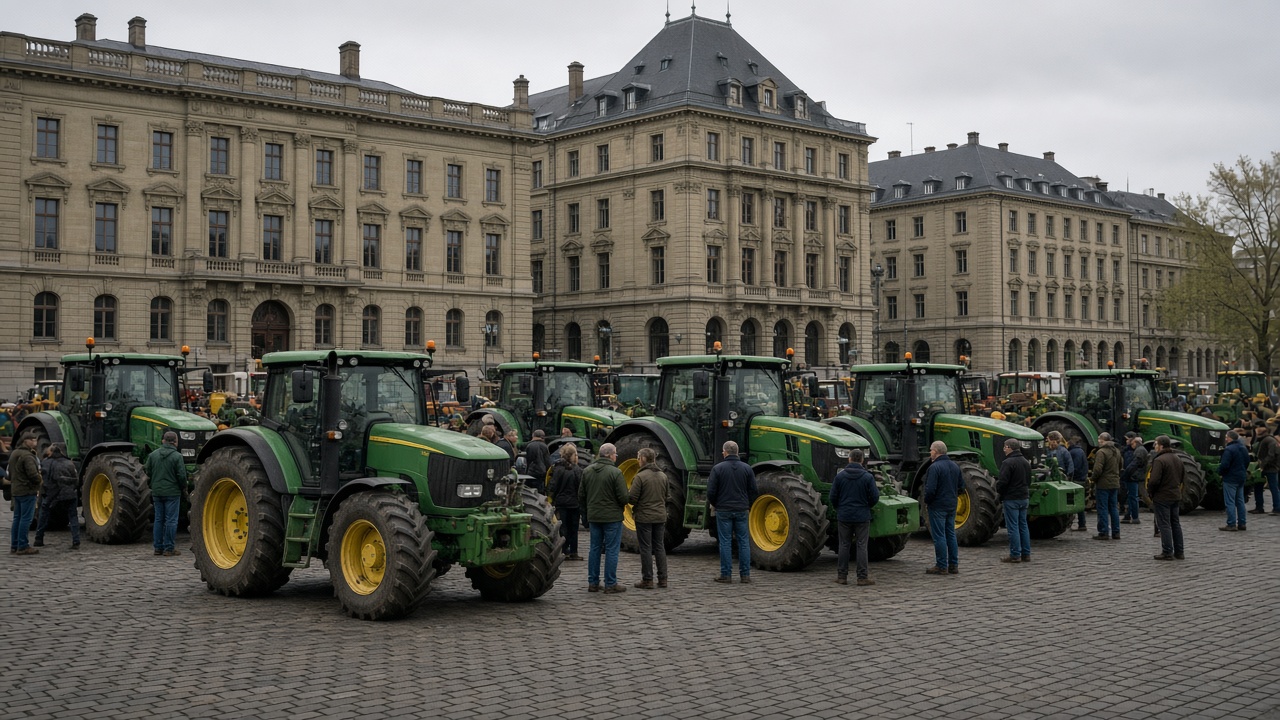
The market-square argument arrived on a tractor, which is how Bern knows it is serious.
The army's last argument is a table, not a flag.
The cap is losing. The staffing law is winning by a margin that still fits in a rounding error.
The official aim is fewer transfers. The official method is more days.
Both sides now campaign with the same photograph of a queue, and draw opposite morals from it.
The first week of June in Bern is a sitting. The second is a campaign. The third is both.
The legal door may open in June. The political door would then face a petition table.
June's sitting has a Sunday in the middle of it. That Sunday will set the tone for the floor.
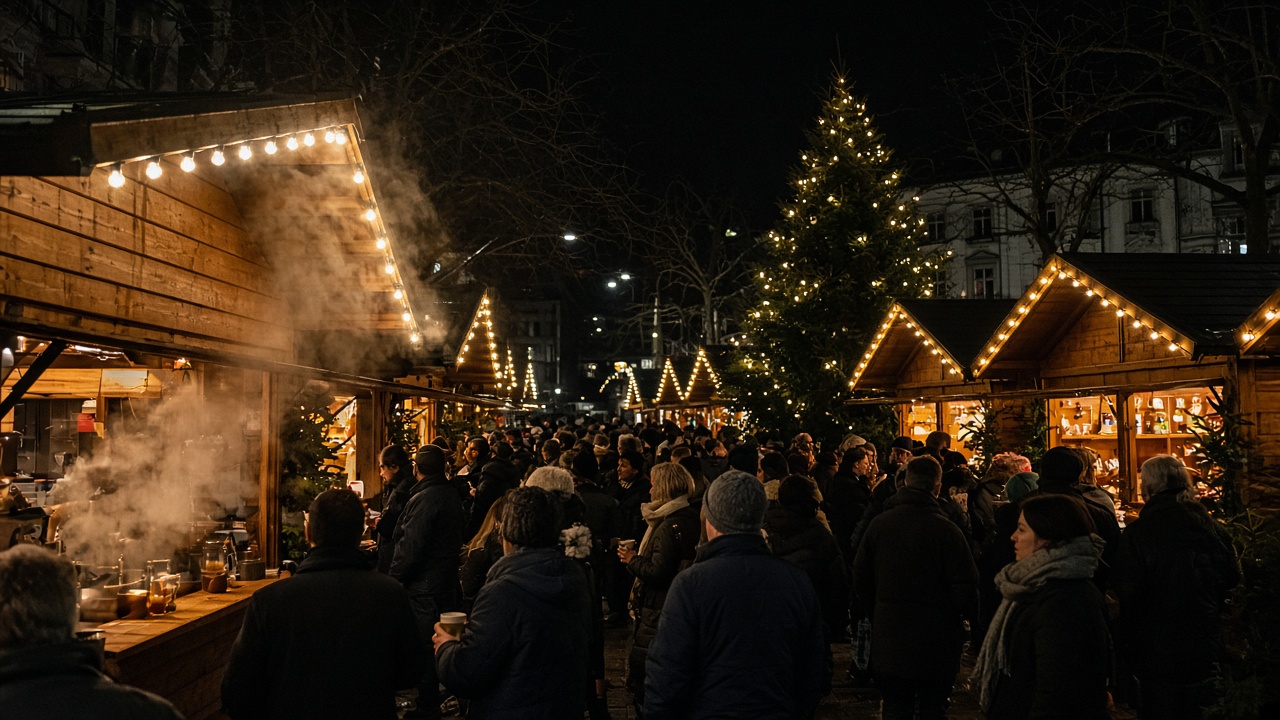
The second short holiday in a fortnight is how central Switzerland balances its May books.
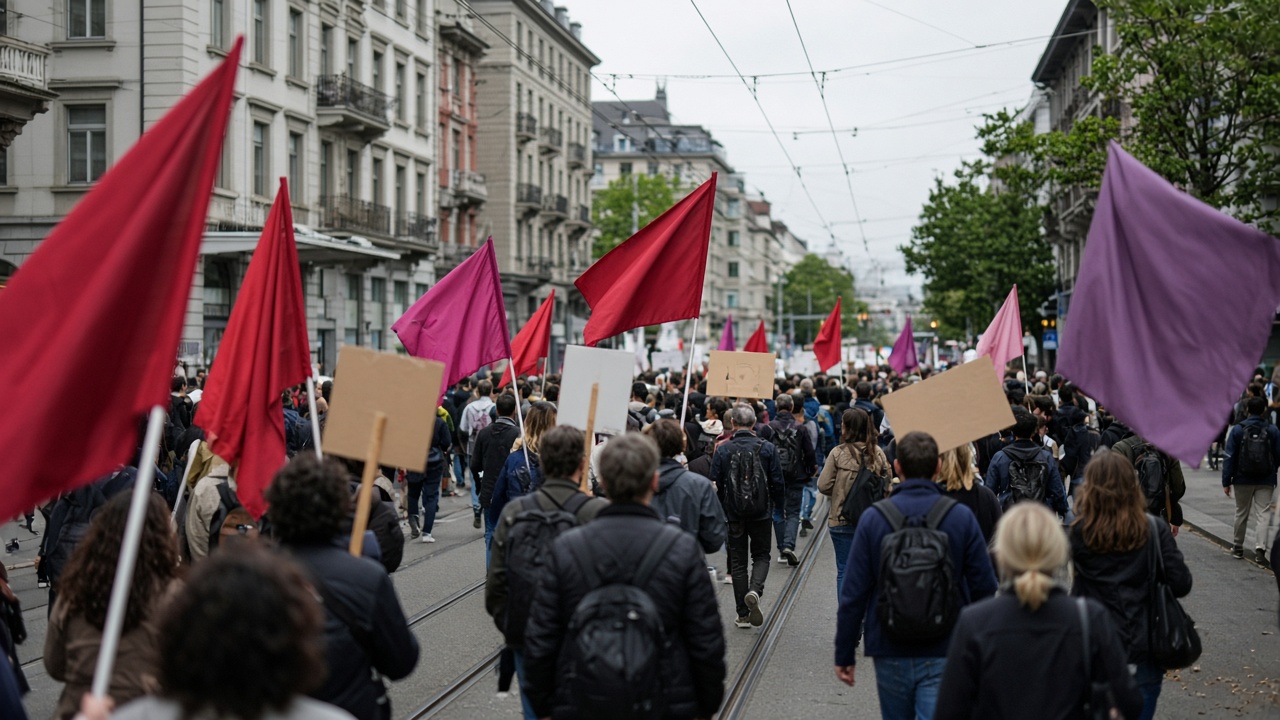
The 10 million poster is national. The 6:40 a.m. queue is local.
The drawings are in the drawer. The loan is in committee.
The drawings exist. The credit committee is in no hurry.
The cheese has a name the world knows. The price conversation is local and grimly specific.
A Thursday holiday is a gift to the lakes. It is a puzzle for the timetables.
A river that behaves is not news, except that several recent summers trained everyone to treat it as news.
The number on the poster is popular. The legal cap is less so, once people hear what it would bind.
The barracks problem is being sold as a door problem.
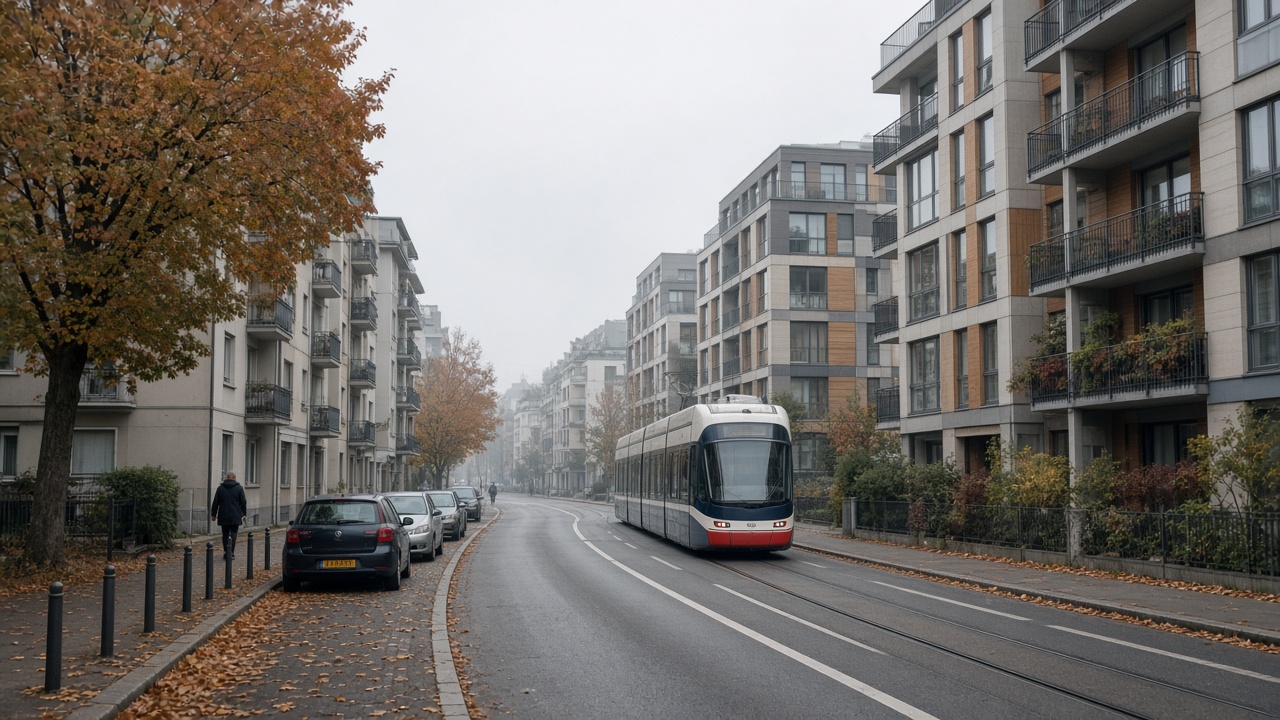
The cranes are busy. The affordable queue is not any shorter.
The speeches named two bills that arrive at home: the premium and the rent.
The extra days did their job. The next crowd will not be in this chamber.
Track possessions are booked in months, not in speeches. That is why this dull vote had a deadline.
The public gallery was half empty. The credit lines were not.
Four extra days in Bern is not a crisis. It is a sign the ordinary calendar did not fit.
The army says too many conscripts leave for civilian service. The referendum committee says the door should stay a door.
Four extra days in Bern is a scheduling confession, not a crisis.
The trade text is still a committee file. The market-square argument is already written.
The snow that closed the weekend did not stay in the forecast. It stayed on the road.
Spring sun on new snow is a pretty combination and a bad one.
The housing queue is real. Whether a population ceiling would shorten it is the argument.
The 2017 door-closing law is now a committee paper about opening it again.
The postcard towns emptied from the car parks outward.
The abbey square took the pilgrims. The landing stages took everyone else.
The bells marked a fast. The reservation system marked a peak.
The holiday weekend began in the underpass, not at the church door.
The holiday is a week away. The reservation graph is already a problem.
The next Sunday already has a number on the poster: 10 million, written as a warning.
Three weeks in March were not enough. They almost never are.
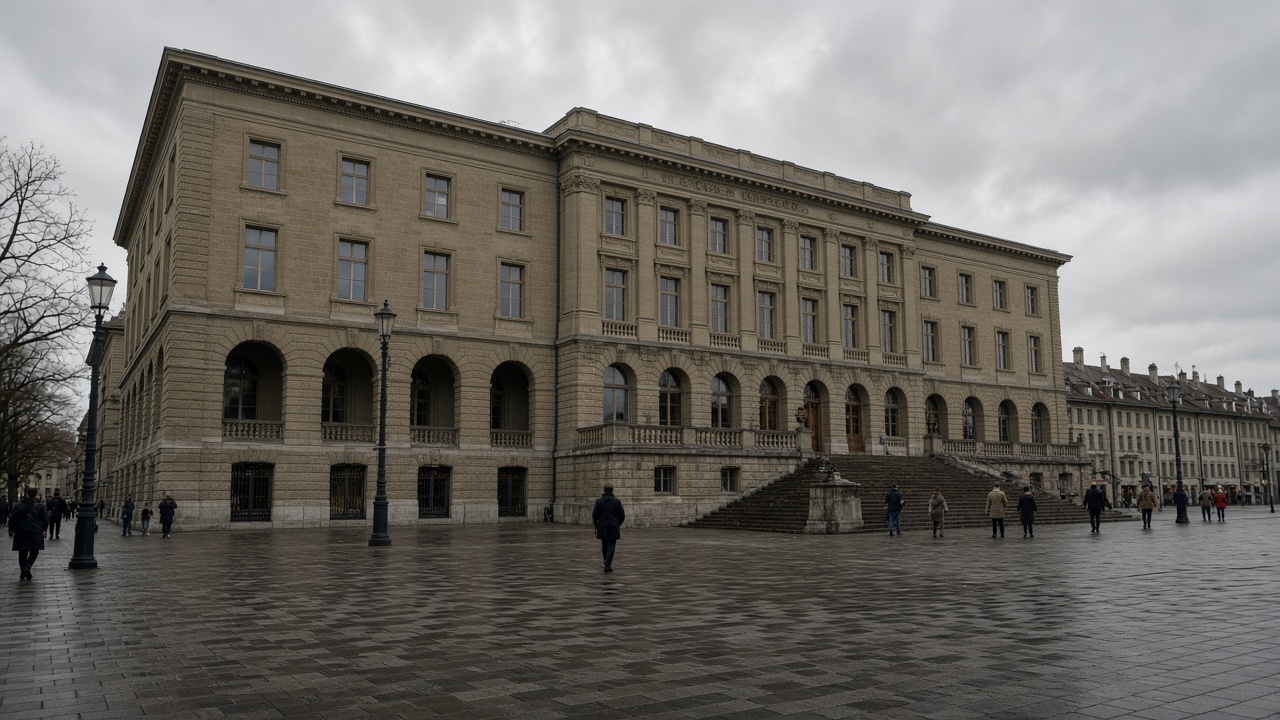
The central bank's March sentence was the one markets had written down in advance: no change, and a reminder about the franc.
Sunday's percentages left the building. Monday's papers did not include them.
Five questions did not produce five turnouts. They produced a band just under 56 percent.
Notes and coins remain part of the constitution's furniture. Cards remain what most city tills prefer.
Everyone found a sentence that fitted their poster. Only some of those sentences fitted the percentages.
A spending vehicle that wins no canton is not a near miss. It is a verdict on the vehicle.
The broadcaster survived the ballot. It did not escape the budget.

The principle is simple. The migration of a million tax files is not.
Public broadcasting survived. A large climate spending vehicle did not. Two other items on the same Sunday did better.
By lunch the pattern was familiar: heavier in the east, lighter on the lake, enough envelopes to call it a real Sunday.
The rooms in school gyms look the same every Sunday. The stack of papers on the table does not.
Olten is where the country's trains meet. On the last Saturday, so do the flyers.
Most Swiss votes are decided at the kitchen table, then walked to a yellow box.
The last numbers before a Swiss Sunday are not a prophecy. They are a map of which fights are still alive.
The principle fits on a flyer. The migration of a million files does not.
You can like cash and still prefer the government's paragraph to the initiative's.
The fund's backers talk about flood walls. Its opponents talk about a second budget that never closes.
The number on the poster is 200. The number in the newsroom is how many desks remain in Chur and Lausanne.
The first gavel of the year landed six days before a five-item ballot. The two calendars will trip over each other all fortnight.
It is a lot of constitution and statute for a single breakfast table.
The argument is about whether a card reader can ever be allowed to become the only till.
The 4 a.m. pilgrims left. Families and brass replaced them.
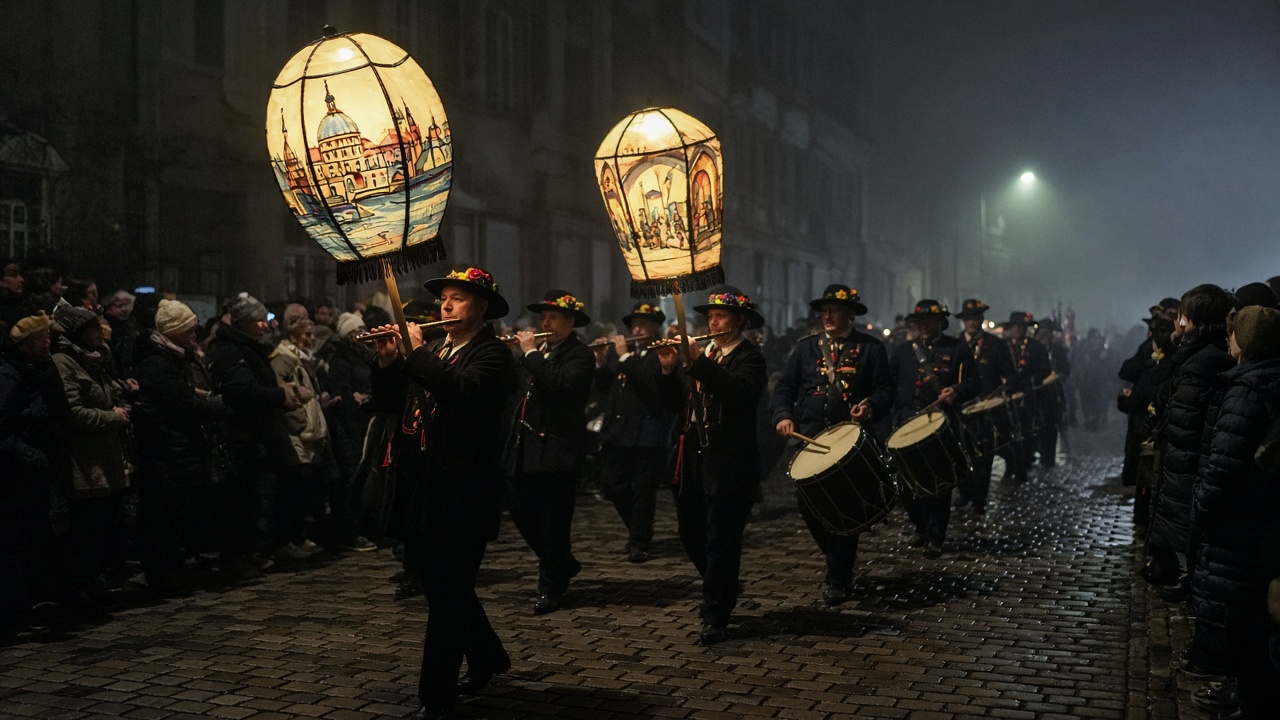
At the fourth chime, the city went dark and the piccolos took the alleys.
The slogan is fairness for married women. The implementation is a software project measured in years.
A fund described as a share of national output has to survive a kitchen-table test. So far it is failing that test.
In Basel, Ash Wednesday is not the end of carnival. It is the last rehearsal week.
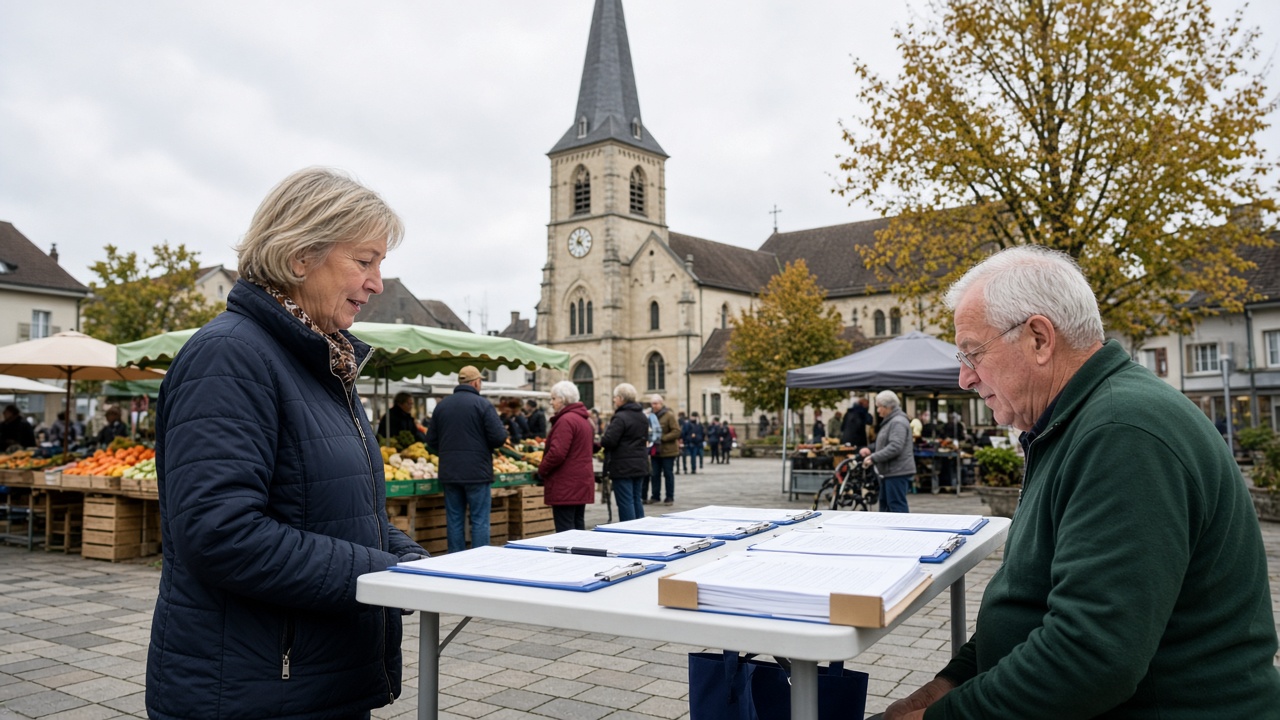
The signatures were already in. The slogans were being tested in village halls.
The household levy is an amount people know. That makes it a better poster than most federal texts.
The red booklet is how most people meet a federal vote. This one has more chapters than a quiet Sunday deserves.
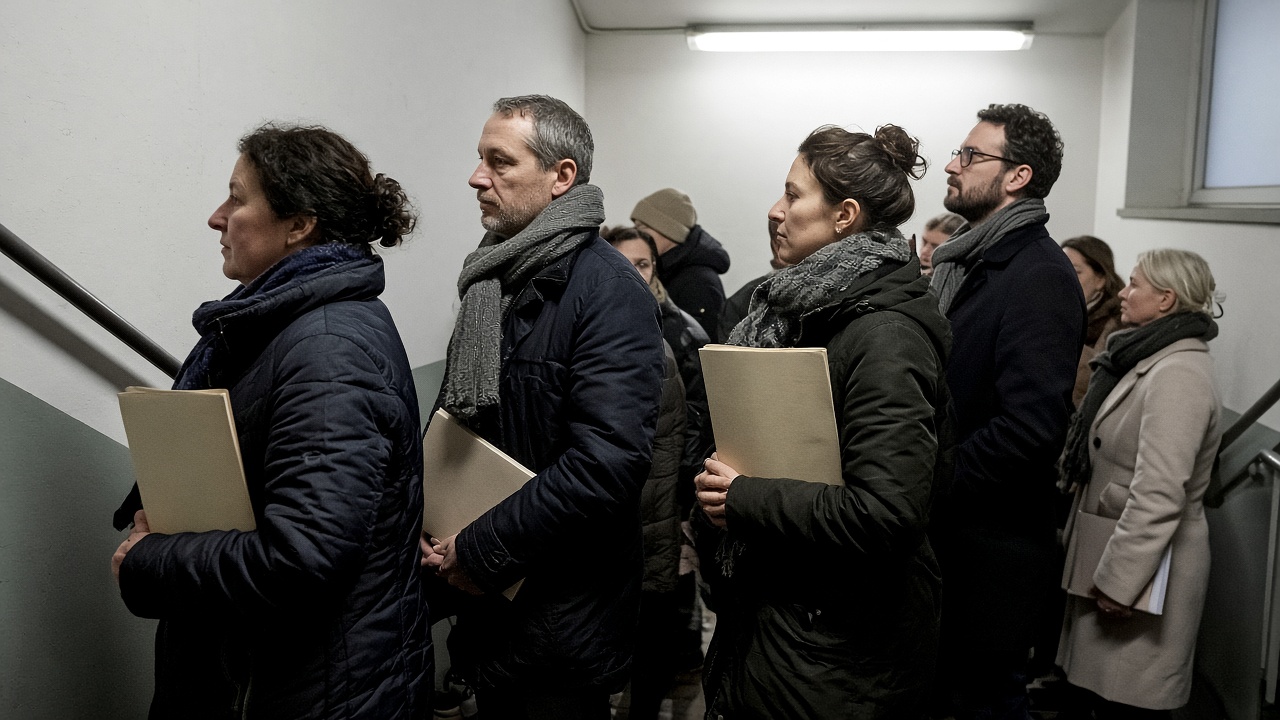
A three-room flat in Eaux-Vives still moves faster than the tram that serves it.
The lake city does its carnival before Basel, and louder.
A Tuesday night in Schwyz still rewards a short speech about independence. It is less kind to a paragraph about UN sanctions procedure.
The legal text of the EU files grew by footnotes. The political text of the year grew by posters.
The tunnel does not care whether the guests were in Davos for the Forum or in Andermatt for the snow.
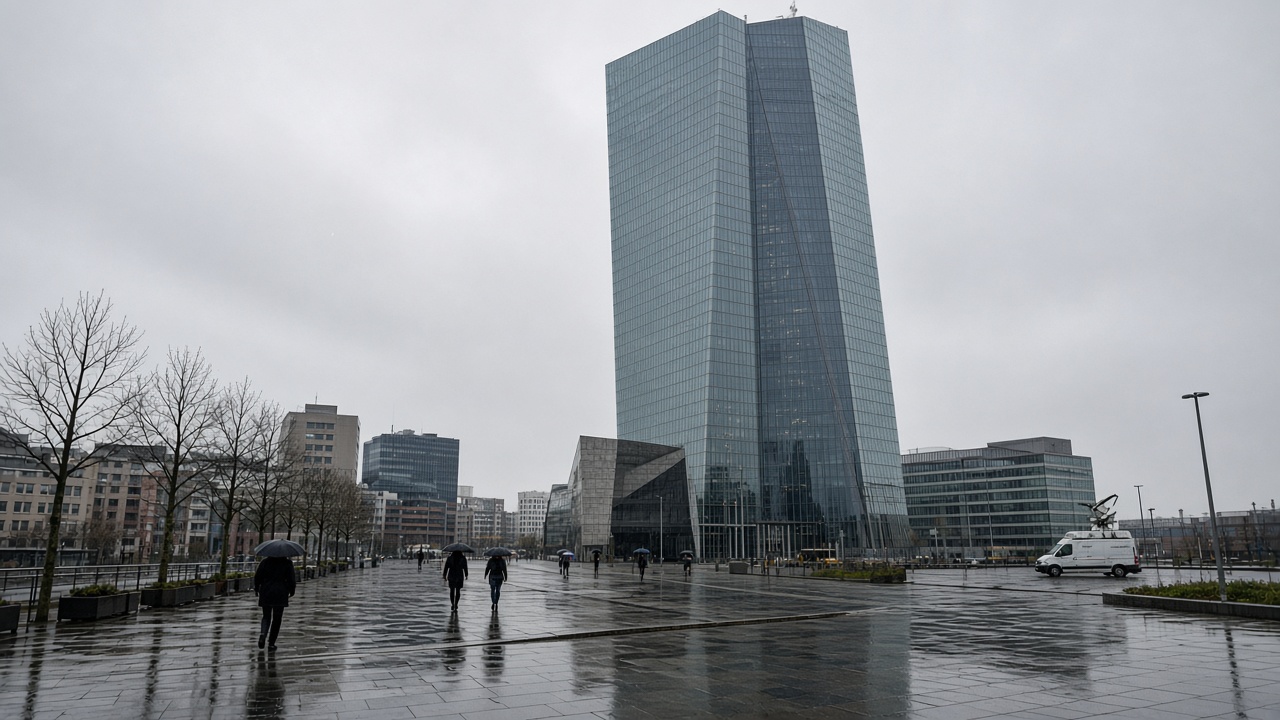
Central bankers published a number. Deputies published caution.
The central bank sided with the government's arithmetic. The largest bank kept its own calculator.
The steepest cantonal rise in the 2026 tables landed in a region that already spends a large share of income on basic cover.
The first Saturday after the Forum is when the town remembers it is also a ski resort.
The largest Swiss bank and its regulator do not need a panel discussion to find each other in a small town.
Order books are written in euros. Costs are paid in francs. That gap is not a Davos talking point by accident.
Snow on the pistes and a blocked-out Davos week gave the canton the January it budgets for.
The first Friday of the year brought the increase that insurers mailed in October: another 4.4 percent on the average basic premium.
The working year is over. The ski year is not. That overlap is the most profitable week some houses will see.
The country still divides on the 24th: a city that closes at 16:00 and a village that opens at 23:00.
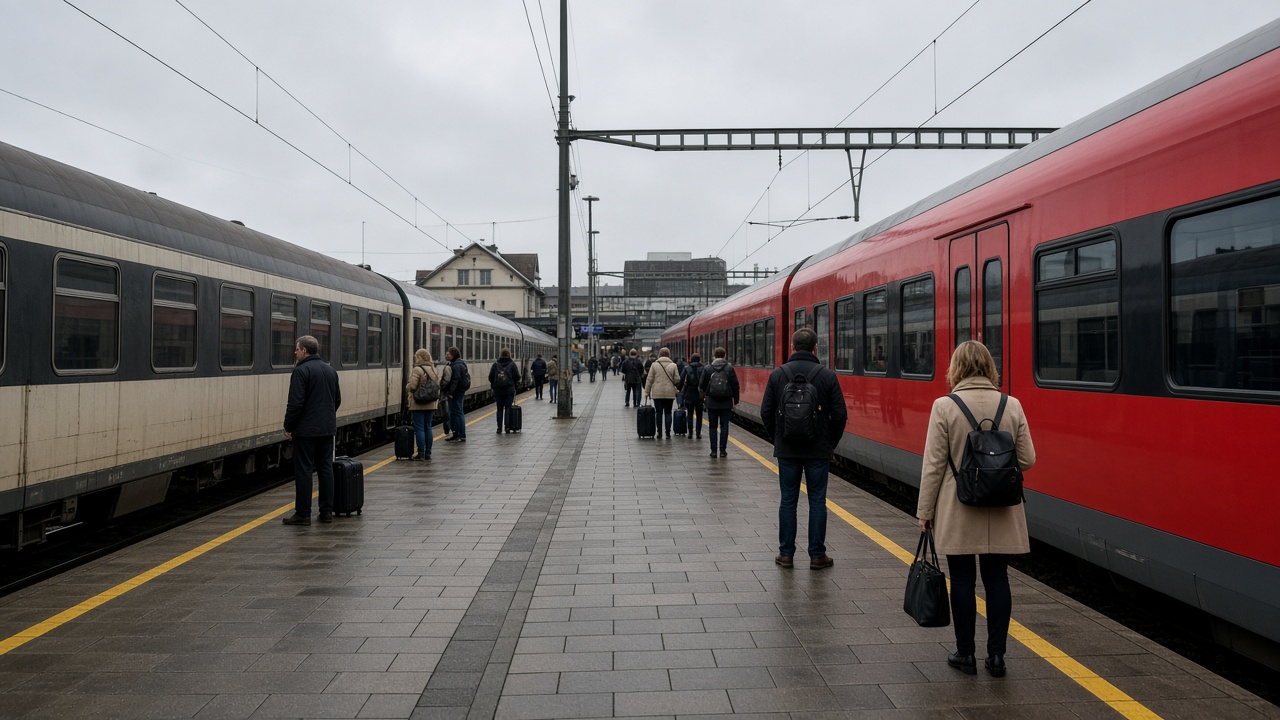
If you need to be in Ticino on the 24th, the reservation is the present that matters.
Christmas is the whip that works. It does not make a health compromise appear in a week.
A night attack that failed in 1602 still works as a weekend. The chocolate pots help.
Mulled wine is not an economic indicator, but the queues are a kind of confidence survey.
The rate did not move. The growth sentence got a little more cautious.
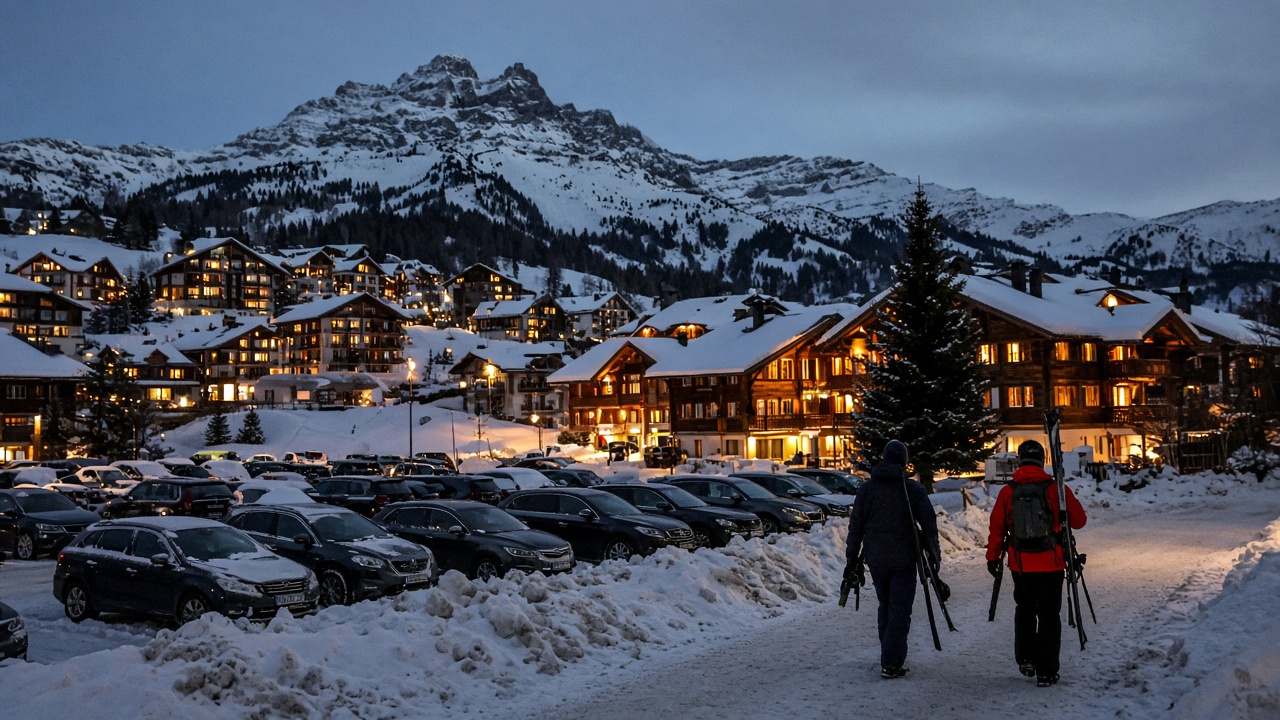
The mountain is white where it matters for skis. The village is not yet a brochure.
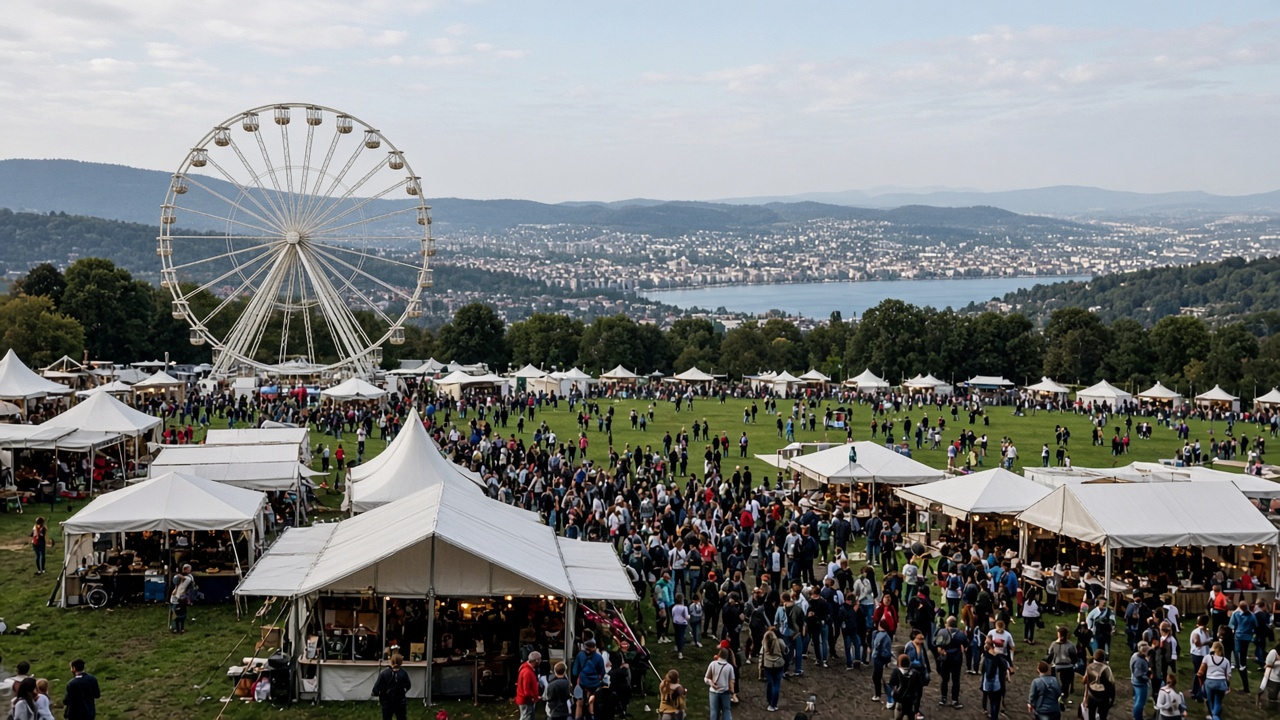
The capital's market is smaller than Basel's and closer to the people who write the budget.
Losing a vote on Sunday does not cancel a line in the budget. It only changes the tone of the speech before the line.
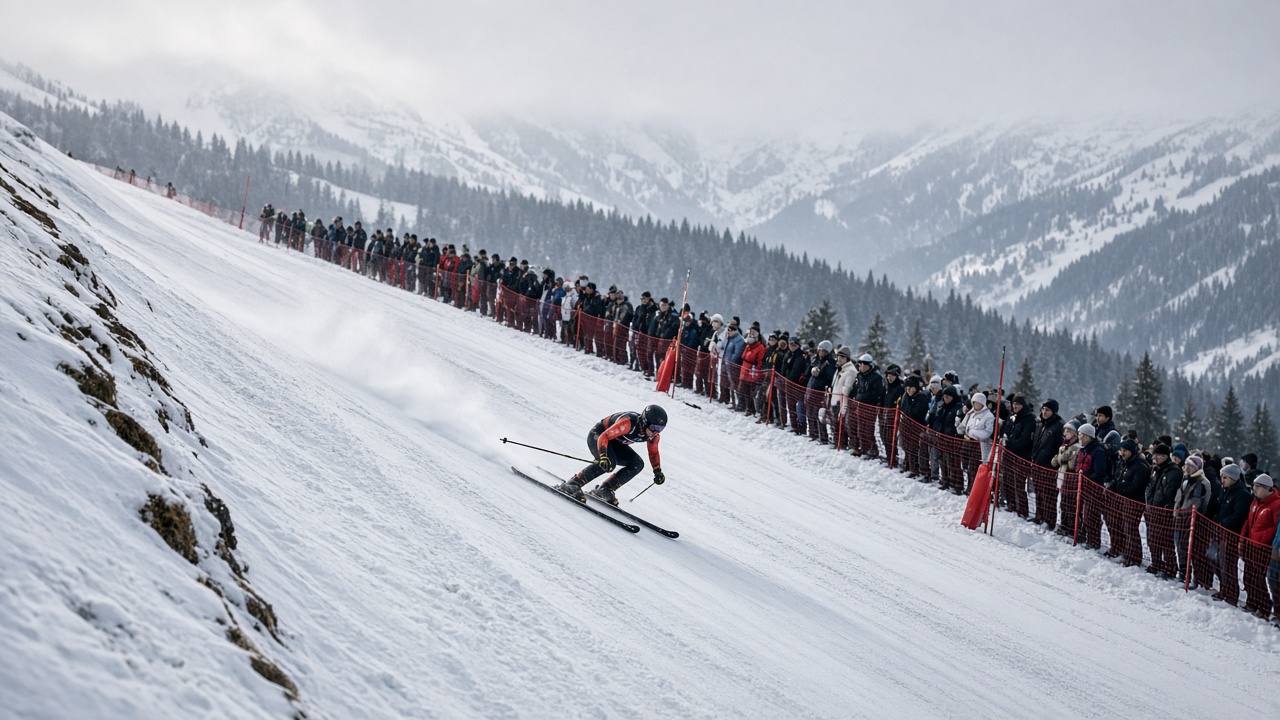
The season starts when the cable moves, not when the postcard turns white.
Losing a vote on Sunday does not cancel the budget on Monday. It does change the speeches.
Two left-leaning ideas met a Sunday electorate that was not in the mood for new duties or a 50 percent tax on large estates.
The country voted on a new duty and a new tax. The queues suggested it had already voted by post.
The last instrument is not an ad. It is an uncle in another canton with a stamp.
The envelopes do not leak. The campaigns, standing in the rain, pretend they might.
The cluster does not need a yacht argument. It has payrolls on both banks of the Rhine.
The remaining argument is turnout, not direction. Direction looks settled.
The government has one job left on these texts: say no again, without crowing.
A yes on the Right Bank is real. It is also not 26 cantons.
The no camp in the east does not need a yacht. It needs a cousin who already sits in the firm.
A duty sold as fairness can sound like a new chore. That reading is spreading faster than the campaign like.
A climate label does not rescue a tax that sounds like a raid on the shop.
An equality argument is not the same as a majority. The first poll made that rude and clear.
The campaign needs a villain with a boat. The opposition needs a factory with a nameplate.
Everyone is for service. Nobody means the same timetable, uniform or budget.
The threshold is CHF 50 million. The argument is whether that number is a castle or a factory.
The poster shows a young woman with a toolkit. The reply shows a recruit with a rifle. Both are simplifications. Both will run until the 30th.
The tourist summer has gone. The chestnut stall is how the canton keeps a Saturday.
The country's clock works until the weather sits on the plateau and refuses to move.
The meeting was billed as a decision. It ended as a postponement with better coffee.
A text that wants everyone to serve must first persuade a country that likes the army it already has.
October in the Grisons has two calendars: the hikers' and the hunters'. They share a path only on paper.
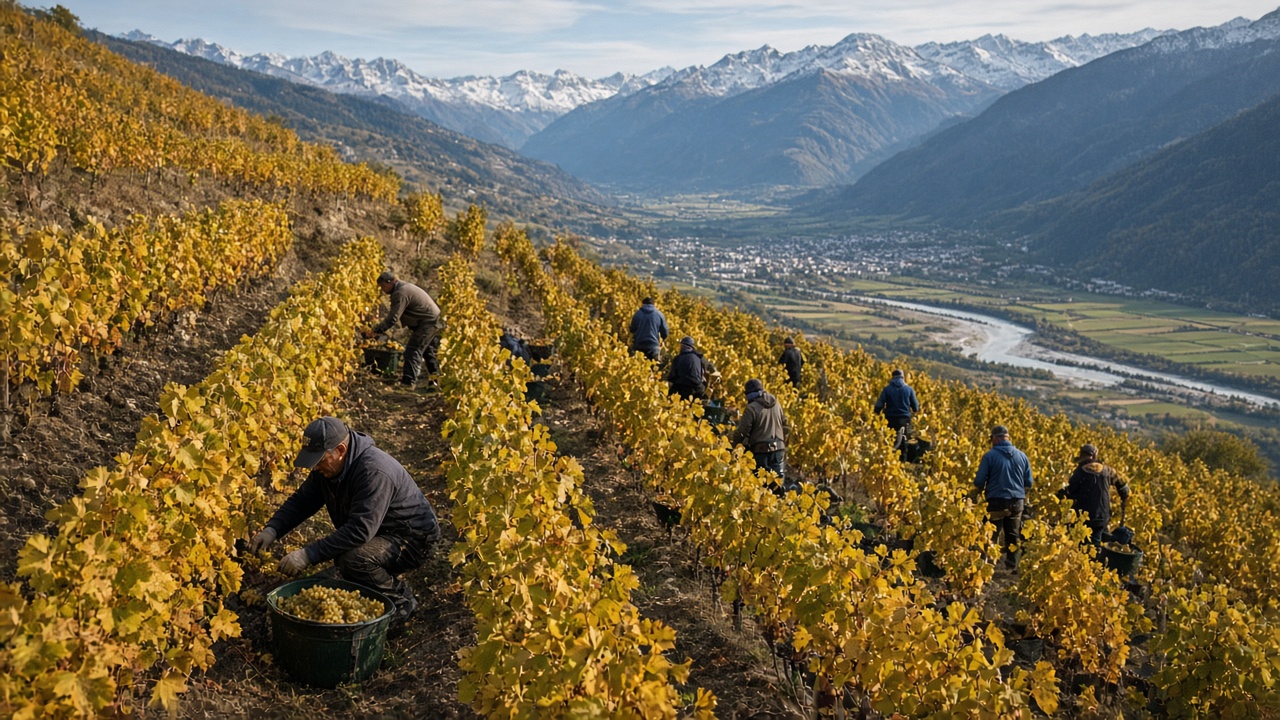
April's candles are either a story or a hole. This week the presses will say which.
Winning a vote is easy next to writing a tariff that a dentist from Basel will still pay.
October holidays are Easter without the chocolate and with more fog.
Winning Sunday is the loud part. Writing the login is the long part.
Digital identity scraped through. Mountain tax collectors had an easier night.
Parliament can adjourn. A campaign cannot. The building emptied into letterboxes.
No cut, no hike, and a reminder that zero is a decision, not a pause button.
The democratic event is increasingly a kitchen table, a stamp and a Monday collection.
A point either way is not a lead. It is an instruction to wait for Zurich.
The grapes were ready before some of the seasonal workers were. That is an early vintage in one sentence.
The people who sleep here in February vote somewhere else in September.
They want the door opened. They do not want to be photographed kicking it.
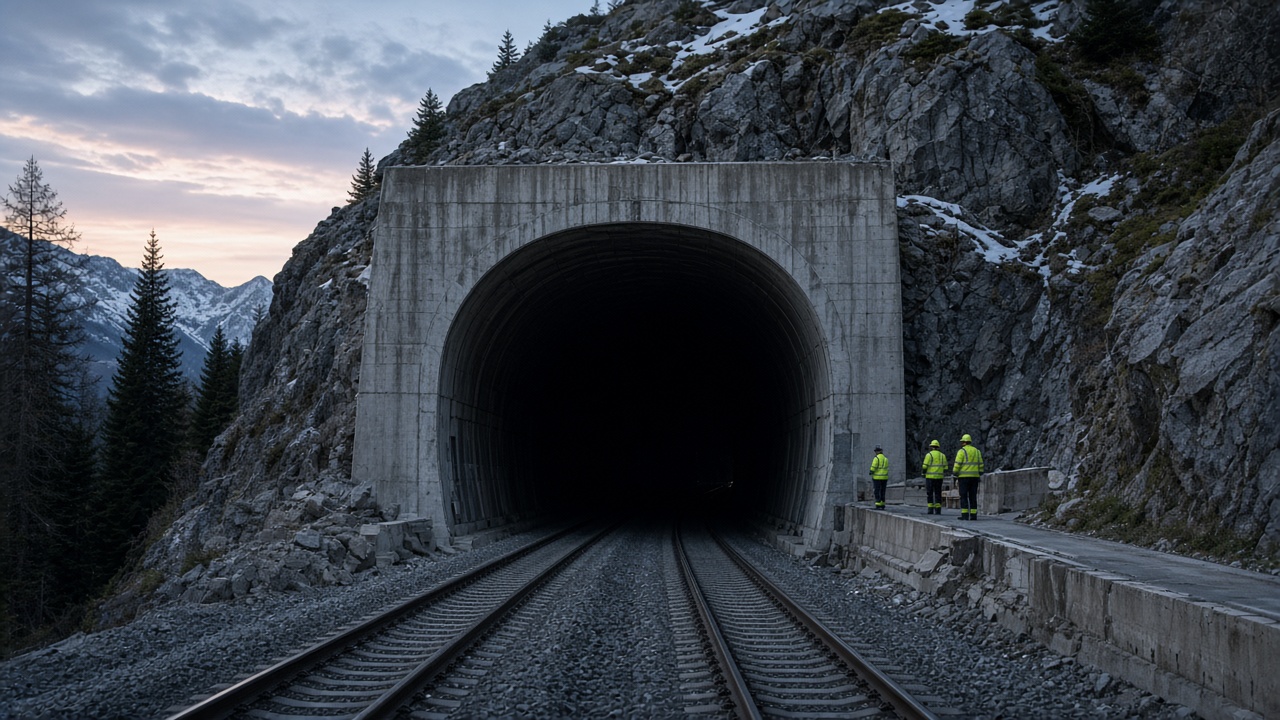
The world's longest railway tunnel is wearing out on a faster clock than the brochure.
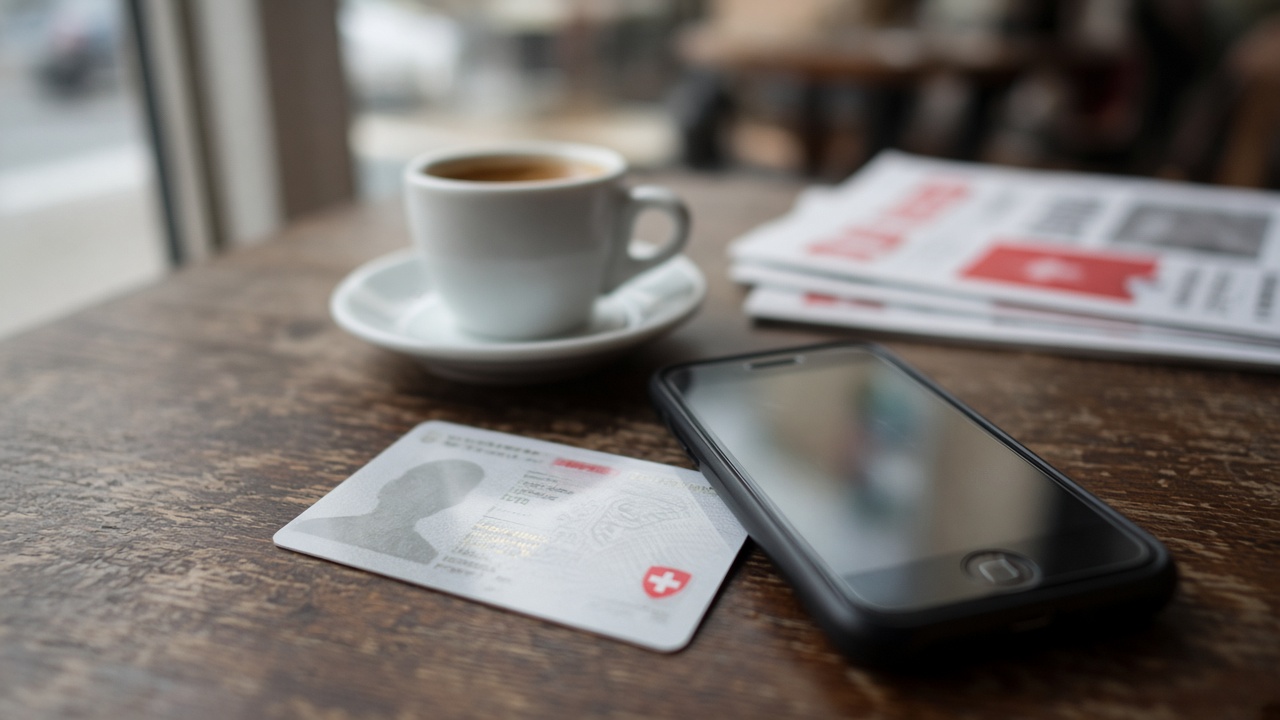
Switzerland is voting again on a digital identity, and neither side trusts the other's adjectives.
The law names a state. The architecture names companies. Voters hear both and trust neither.
The 2025 premiums are history in the kitchen. In the chamber they are still a live file.
The sitting has a timetable. The country has a Sunday. Deputies have to live in both.
The plateau is ready to tax a bed it does not sleep in. The valleys want the money and the guests.
A federal act needs a popular majority, not a cantonal one. The map still looked unfriendly.
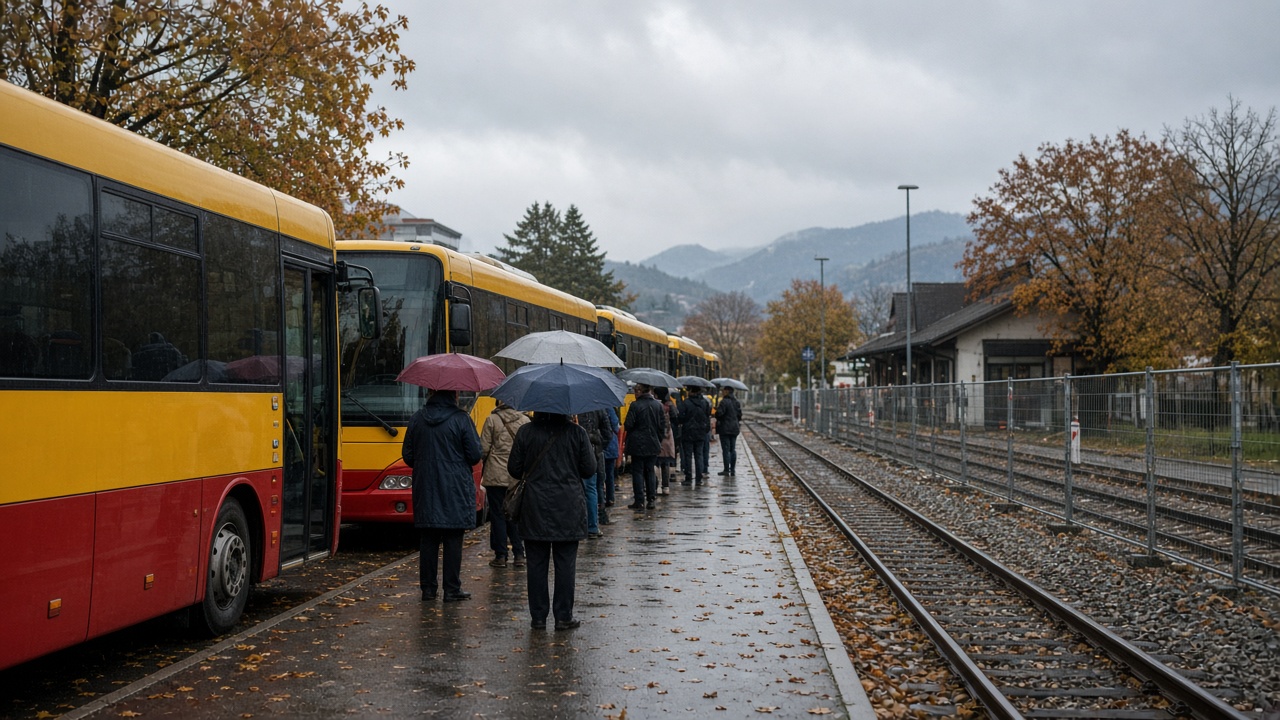
The autumn timetable comes with a footnote: bring a jacket, and maybe a bus ticket.
The ad does not explain the architecture. It reminds people of a QR code they did not like.
The tunnel does not take a holiday. The people on the passenger trains do.
The fear is inspectors from Brussels. The fact is that audits already arrive from further away.
August is when the owners are in residence. The campaign went where the doorbells are.
The technical annex is long. The poster has room for one fear.
The city treats the river as a street with a current. On this Sunday it is also a queue.
The southern canton sells shade, water and a language the plateau uses on holiday.
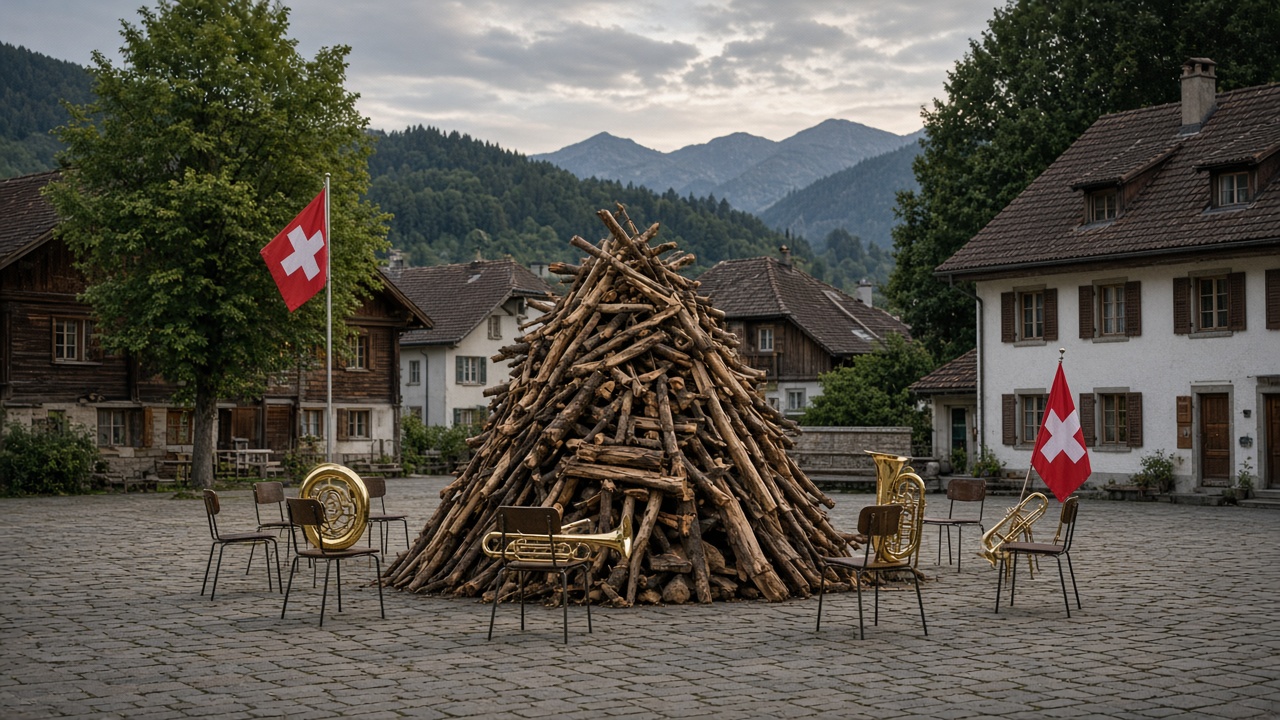
The country paused, ate, and set fire to carefully stacked wood. Tomorrow the trains run on a Saturday timetable that feels like work.
The fireworks are the easy part. The speech after the brass band is where the country argues with itself.
The wood is stacked. The permission is a weather sentence that can still change.
The visitors discovered Switzerland. Then they discovered the reservation screen.
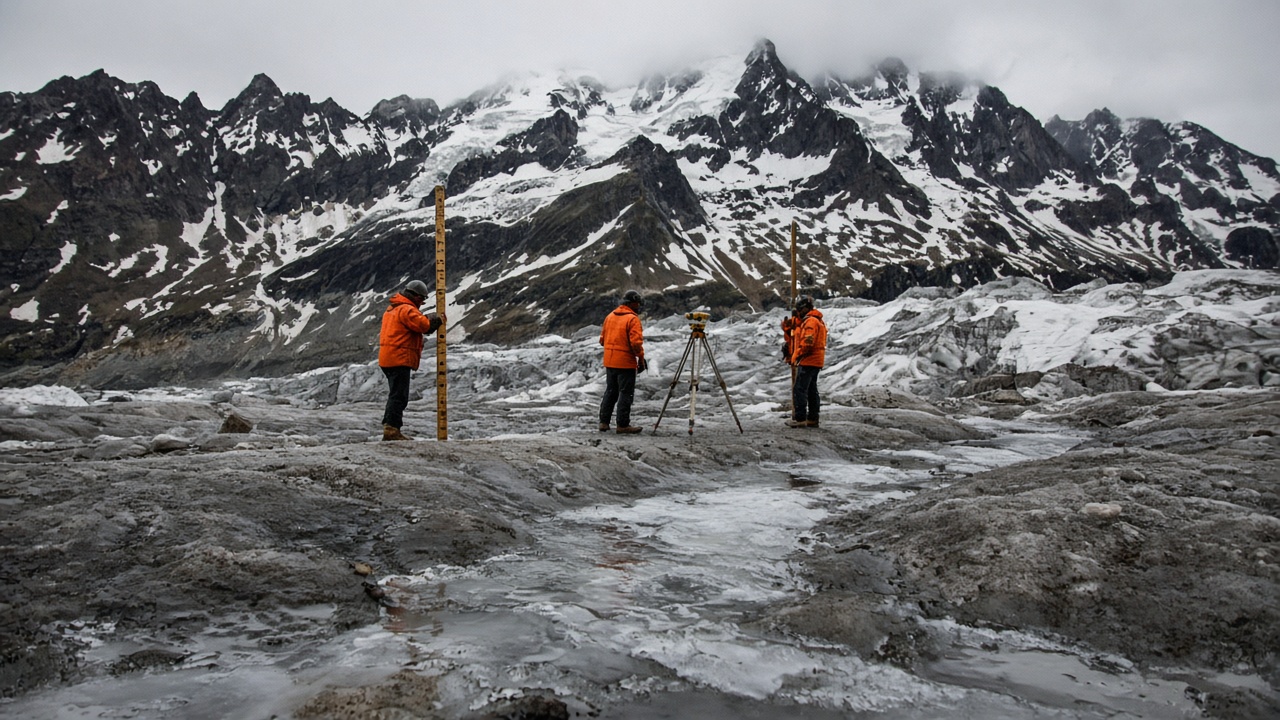
The measuring rods are honest even when the postcards are not.
The exercise was scheduled. The attention was not. Blatten made people show up.
The music ends. The timetable does not always have a seat left for the people it ends on.
When the plateau cannot sleep, the Oberland sells altitude. This week it sold a lot of it.
The lake is the hall this year, and next year it will not be. Opening night treated that fact as a programme note, not a eulogy.
The first real heat of the summer was not a record. It was enough to change the municipal checklist.
A city built on a slope is unforgiving when the metro pauses. The buses will prove it.
The slogan in Bern is never again. The slogan in the bank is not like this.
The southern canton does not wait for the official summer. It just gets hot.
The doors that matter to the public opened at 11. The deals that matter to the booths had a two-day head start.
Zero is not a slogan at the SNB. It is a number, and it arrived with a familiar warning about the franc.
The fair has not opened to ticket holders. The city has already opened its prices.
You cannot write a tariff for a law the country has not yet accepted. You can draw the columns.
The law is already written. The adjectives for September were being tested in a room without voters.
Nobody went home with more money. Several went home with the same money, which was the point.
The order paper listed farm and transport. The whispers listed Brussels.
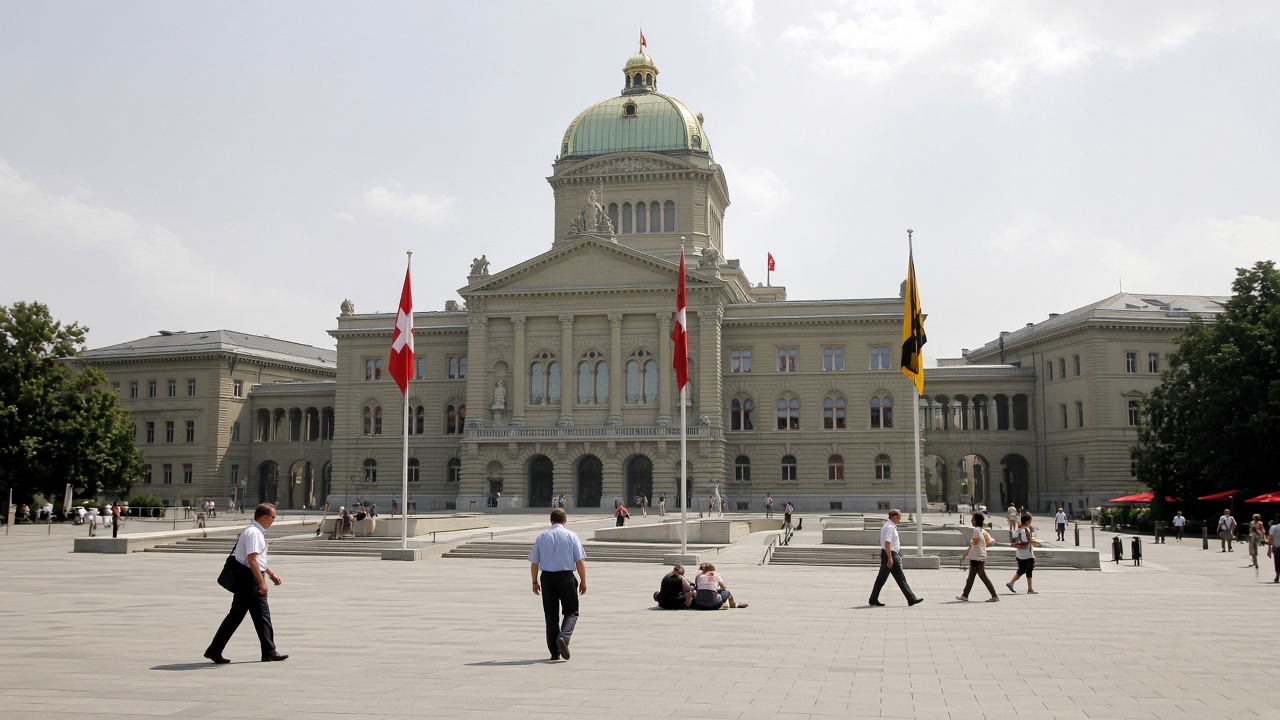
The session is three weeks. The campaign for September had already begun in the corridors.
The first need is a bed that is not a gym mat. The second is a sentence about going home that nobody will yet write.
The mountain had already taken the houses. The river started to take the map.
The village was emptied in time. The houses were not.
The village was already gone. The ice started to run.
The sitting ended in March. The invoices did not. Recess is a parliamentary word, not a household one.
The village was told to go. The mountain was not asked.
The noise came off the mountain before the order came off the printer.
The warnings came as gravel, then as maps. People in the valley have learned to read both.
The litre in the shop has a story. The litre at the farm gate has a shorter, greyer one.
The complaint box after Easter had a theme: standing in a corridor with a suitcase.
Inflation is lower. The household invoice is not. That mismatch is the bargaining table.
The banners still said wages. On the Right Bank the speeches kept returning to the lease.
The banners still said wages. The speeches kept returning to the lease.
The candles are a picture. The loss, if it comes, is a vintage.
The holiday is over when the luggage racks fill in the other direction.
The lakes look like summer from a tram. They do not feel like summer from a jetty.
If you had a rail reservation, you had a plan. If you had a car and a Friday slot, you had a queue.
If you had a seat reservation, you had a plan. If you had a car and a Gotthard slot, you had a hope.
The first spears are a calendar, not a glut. Thurgau treats them as both.
School holiday planners wanted white villages. They will get white high runs and brown meadows.
The southern labour market is a timetable: Italian papers in the morning, Swiss shifts by eight.
The long tunnel still does what the brochure promised for trains. Cars will have their own argument at Easter.
Nobody voted to pour concrete. Plenty of people voted to keep talking about pouring it.
Spring moving day is a tradition. In Geneva it is also a rumour of a key.
Low inflation and a firm franc produced another cut. Mortgage desks will notice more than tourists will.
The political sentence is simple: never again. The accounting sentence is not.
The political sentence is that the watchdog must be stronger. The unkind sentence is that it was not brave.
The premiums went out in January. The fight in March is about who covers the households that cannot.
The hearing had new slides. The sentences were last year's, spoken a little faster.
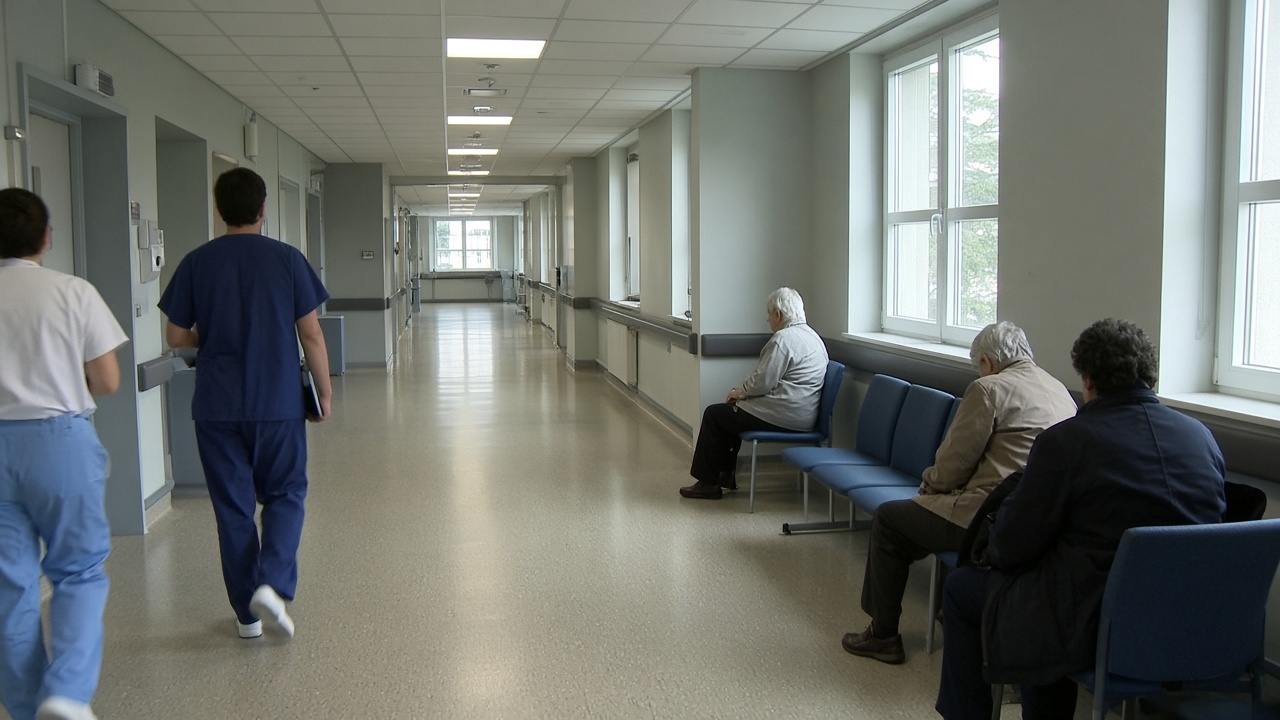
The buildings are there. The anaesthetists are not always. That is the waiting list in one sentence.
Deputies came back to files that do not wait for a new year: premiums, farmers and the large bank in Zurich.
Deputies came back to Bern two days early to argue about invoices voters already paid in January.
The legal tool is still a September question. The village arithmetic is already a Tuesday meeting.
The smallest canton lives on large invoices. The budget debate is about how visibly to admit that.
The high glaciers did their job. The village postcards still needed a careful crop.
The morning after Morgenstreich is not a rest day. It is a parade with sore feet and better light.
The no was wide enough that trade associations spent Monday talking about orders, not about a recount.
At four in the morning the drums took over a city that had spent Sunday counting ballot papers.
Swiss voters said no, in every canton, to a Green-backed text that would have rewritten economic policy around ecological limits.
The country voted on planetary limits while half of Basel was saving its energy for 4 a.m.
By Saturday afternoon the arguments were leftovers. The envelopes on the table would do the deciding.
The city can host a carnival and a federal ballot in the same weekend. It cannot put both on the same tram.
Brass and drums took the Seebrücke while Basel was still counting the sleeps until 4 a.m. Monday.
A week out, the Green-backed text was losing in every language region. Campaigners on the yes side talked about late mail ballots anyway.
The federal payment landed. So did the bill for feed. The gap between those two numbers is the winter.
The southern canton began a grey week with the usual two bottlenecks: weather on the plain and traffic in the tunnel.
Swiss clocks still work. The problem is the trains that arrive from the north already late.
The canton that ships metal into Germany started the year counting unfilled hours, not overtime.
The first full week of work brought back the queues that tourism brochures never photograph.
A half-percent policy rate and a firm franc set the tone for the first weeks of the year.
A late rush of German and Dutch bookings eased a nervous start to the ski weeks.
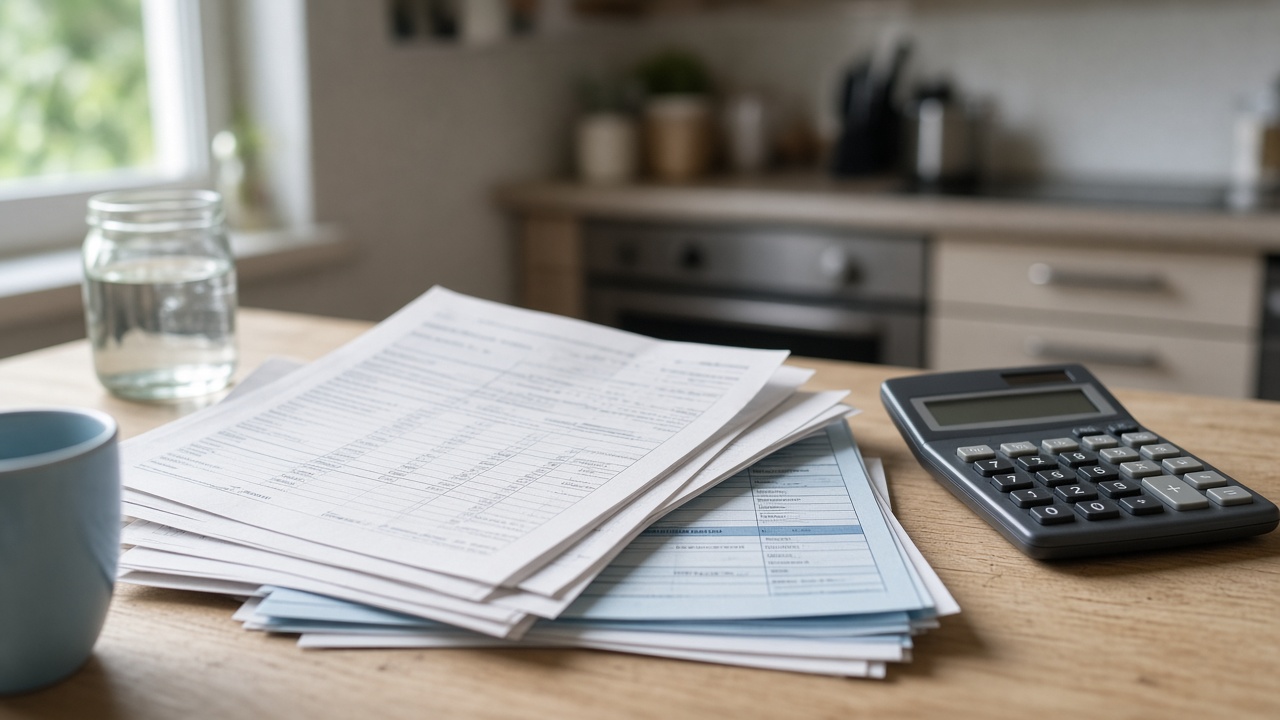
The first invoices of 2025 carry the 6 percent average rise that Bern announced last autumn.